



6 Industries Impacted By Algal Blooms
Water is a vital resource for many businesses, making careful management necessary to achieve its optimal quality. One of the problems that many companies face in this process is the presence of microalgae in large concentrations.
Harmful algal blooms (HABs) have financial and operational consequences in a wide variety of industries. However, the challenges in each industry are different. From human health hazards in the drinking water industry to TSS levels exceeded in cooling ponds of power generation facilities, algae blooms are a growing problem that must be addressed.
These are the top six industries affected:
Water in raw water tanks is often stagnant. This lack of water circulation causes algae to overcompete with other organisms in the ecosystem and consequently create major algal blooms.
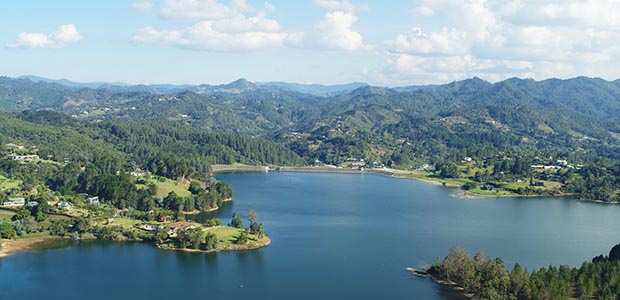
Excessive growth of cyanobacteria, formerly called blue-green algae, and green algae in a drinking water tank can have negative consequences for water quality. Some algae can produce geosmine and MIB, giving the water an “earthy” and “musty” taste, which can lead to customer complaints. In addition, cyanobacteria can produce toxins that can cause serious illness in humans exposed to contaminated water. Short-term exposure during recreational activities can cause headaches, pneumonia, respiratory and gastrointestinal problems. Long-term exposure to toxins can cause liver and kidney failure, and even neurodegenerative diseases such as Alzheimer’s.
Algal blooms also cause a number of operational problems for water treatment plant operators, such as clogged filters. Drinking water plant managers are advised to monitor the algae species present, dissolved toxins and cell counts. Based on this information, when levels exceed guideline values for the concentration of total microcystins in drinking water, management can implement:
- the Alert Levels Framework,
- control measures or,
- water treatment
Cooling and settling ponds in power generation facilities are usually shallow, slow-flowing and high temperature ponds. With the excessive levels of nutrients in intake water or the use of chemicals, they create the ideal circumstances for microalgae to bloom.
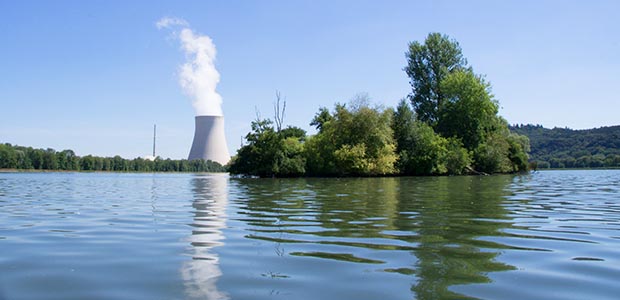
The water source for cooling ponds differs by facility and often includes river water or treated wastewater effluent. To remove impurities, such as high levels of dissolved solids, cooling ponds discharge a portion of the cooling water into the environment. In most countries, organizations such as the U.S. Environmental Protection Agency (EPA) set effluent limitations to control the discharge of potential pollutants into the environment. Parameters subject to permit limits, such as NPDES regulations, often include pH, BOD, and TSS.
A common cause of non-compliance with these standards is the presence of HABs, making their control one of the most effective methods of meeting discharge standards. Microalgae growth in cooling water can also block pumps and affect circuits.
Excess nutrients from storm water runoff and fertilizer, stagnant and shallow water, warm temperatures, all contribute to excessive algae growth in wastewater lagoons.

Algal blooms increase Biochemical Oxygen Demand (BOD), pH levels, and suspended solids (TSS). High BOD indicates biological pollution and depletion of the dissolved oxygen from the receiving water. High levels of total suspended solids indicate a significant number of bigger particles in the water, that can clog irrigation systems, such as filters and distribution pipes.
High levels of TSS also further deplete water from dissolved oxygen. To reduce impact of wastewater discharges on environment and aquatic life, EPA (Environmental Protection Agency) set discharge limits for BOD, TSS, and effluent phosphorus. To comply with the National Pollutant Discharge Elimination System (NPDES) permit establishes technology-based effluent limits to protect the water quality standard permit, it is essential to control algal blooms and consequently reduce harmful pollutants entering the surface water.
Almost 60 percent of all the world’s freshwater withdrawals are used for irrigation. This includes water that benefits agriculture or growing crops. The quality of water depends on the source, which can include dams, recycled water, and rivers. According to the US Environmental Protection Agency, only in the United States, there are over 2.2 Million agricultural farms.
There are several risks associated with the use of water for irrigation purposes that is contaminated with cyanobacteria. Field workers are at risk of inhaling toxins when an overhead irrigation system is used with algae-affected water. The symptoms of exposure include rash, vomiting, shortness of breath, and in rare cases can cause death. When crops are exposed to concentrations of microcystin, this toxin can accumulate to levels where even a small serving would exceed the WHO guideline value for tolerable levels. Therefore, it is advised not to use contaminated water with blue-green algae on crops that are grown for human and livestock consumption. For instance, dried algal cells on leaves of salad can remain toxic for several months.
Consumption of drinking water can lead to liver damage, seizure, and sudden death of livestock. Exposure to contaminated water can lead to decreased milk production in cows, and decreased egg production in hens. Algae can also pose an operational and financial challenge by clogging the irrigation system and therefore limiting its functionality.

Algal blooms are more severe, occur more often, and last longer. These are the results of the study on algal blooms tendencies over 30 years in 71 large lakes in 33 countries worldwide. “We found that the peak intensity of summertime algal blooms increased in more than 68 percent of lakes but decreased in a statistically significant way in only six of the lakes,” Michalak, the author of the study explained. “This means that algal blooms really are getting more widespread and more intense”.
Budget cuts related to the COVID-19 pandemic forced many US states and countries to reduce algal blooms testing. Solely based on the information published by media channels, we can say that this year more than 400 water bodies in the United States were contaminated by algal blooms. 87 percent of these water bodies are recreational lakes, which had to be closed due to the risk of hazardous toxins. Toxins such as microcystin can cause severe health impacts and make it unsafe to swim, boat, or even walk around an infected lake.
Toxic algal blooms in aquaculture can lead to indirect toxicity of shellfish and fish through changes in water quality, direct toxicity, and changes in flavour. Toxins can also kill cultured animals or decrease their growth rate.
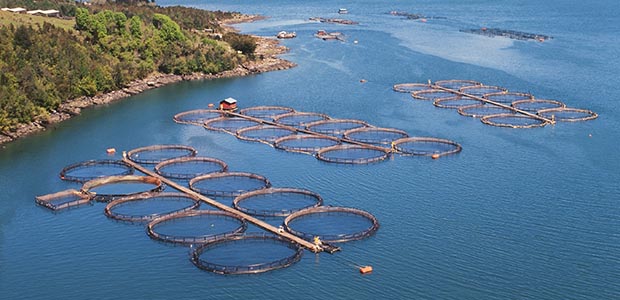
The deteriorating biomass of algal blooms depletes dissolved oxygen, which can lead to mass deaths of cultured organisms. Harmful algal blooms can affect organisms such as clams, mussels, oysters, and scallops that feed on toxic phytoplankton and accumulate harmful toxins.
Consumption of contaminated fish and shellfish can cause symptoms within 15 minutes to 10 hours. Mild symptoms include numbness in the legs, face, and arms, loss of coordination, and dizziness, while more severe cases can lead to paralysis and respiratory failure. Paralytic Shellfish Poisoning caused by consumption of HABs contaminated seafood is a life-threatening disease. Food safety concerns and the death of cultured organisms lead to estimated losses of $40 million per year just in the United States.