
August 08, 2013
|
|
Monitoring & Testing Newsletter August 08, 2013 |
|---|

 |
|---|
| This Week´s Featured News Stories |
|---|
 |
Agilent Technologies enhances dissolution workstation software for greater instrument control and improved monitoring of pharmaceutical ingredients
Agilent Technologies Inc. (NYSE: A) today introduced an enhanced version of its Dissolution Workstation Software, providing better data integration, method change control and instrument monitoring for controlling multiple dissolution systems. Dissolution is a technique used in the pharmaceutical industry to determine the rate at which pure active pharmaceutical ingredients dissolve. The software supports laboratory capabilities to build, edit, search, retrieve, execute and archive all dissolution methods and test reports from a single interface. To improve efficiency, the new features allow users ... | ||
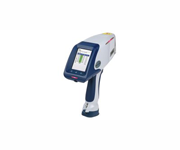 |
Bruker introduces the integrated camera and small spot options for the S1 TITAN Handheld XRF Analyzer
Bruker Elemental is pleased to announce the introduction of two new options for the S1 TITAN Handheld XRF analyzer- an integrated camera option and a small spot collimator option. The camera helps ensure accurate measurement positioning to “zero in” on specific areas of interest. The small spot collimator creates a smaller focus area for the X-ray energies and thus allows better control of what area is analyzed- especially if combined with the camera option. This can be especially important when you want to analyze just one color on a toy or inspect just the weld seam on a pipe or ... | ||
| |||
|
|||
| Advertise in this Newsletter For information on advertising in this newsletter, contact us or call USA 1-888-244-5029 / Europe +34 91 395 2969. |
You are receiving this message because you opted-in to receive one or more of Environmental Expert`s 8 Weekly Newsletters. If someone has forwarded you this message and you`d like to get a free subscription, register here. Please do not reply to this email as we are unable to respond from this address. To contact us, click here |


