


- Home
- Companies
- Clarity Movement Co.
- Applications
- Air Quality Monitoring for Construction ...
Air Quality Monitoring for Construction and Demolition Sites - Construction & Construction Materials - Demolition and Remediation
Construction and demolition activities have a significant impact on air quality, releasing harmful pollutants that pose health risks to workers and nearby communities. To address this concern, implementing effective air quality monitoring systems in construction zones is crucial. By accurately measuring pollutants, identifying air contaminants, and implementing control measures, construction companies can minimize health risks, mitigate environmental impact, and enhance sustainability.
Clarity’s Sensing-as-a-Service air quality measurement solution offers comprehensive, reliable, and high-resolution air quality monitoring, empowering construction industry stakeholders to proactively manage air quality and ensure a healthier and more sustainable environment.
Air Quality Sensing-as-a-Service can help you to:
- Get reliable and accurate air quality measurements for construction zones
- Protect your outdoor workers with transparent and real-time information
- Promote sustainable construction practices and minimize environmental impact
Understanding the impact of construction activities on air quality
Air pollution in the construction industry poses health risks to workers and communities, impacts the environment, and requires compliance with regulations and community relations management.
Exposure to harmful pollutants released on construction sites can lead to respiratory issues and adverse health effects.
Emissions from construction machinery, equipment, and materials contribute to increased levels of air pollution affecting the overall environmental quality.
Monitoring and controlling emissions from construction sites is essential to meet regulatory requirements and maintain a healthy environment.
Poor air quality resulting from construction activity can lead to negative public perception affecting project reputation and acceptance.
While construction can have a myriad of negative impacts on air quality and the climate, taking action by establishing dense air quality monitoring networks, implementing sustainable construction practices, and supporting increased regulation can help to minimize these effects on surrounding communities.
Clarity`s technology delivers precise measurements of construction-related pollutants like PM2.5 and NO2 and optional add-on modules.
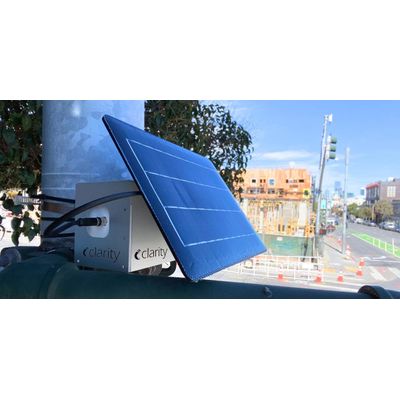
With solar-powered capabilities and cellular connectivity, Clarity’s monitoring solutions operate reliably in construction sites, providing continuous data monitoring.
Construction companies can identify sources of pollution, implement effective control measures, and promote sustainable practices to minimize the environmental impact of their operations.
Proactive measures and sustainable practices protect workers and the local community. It will also improve the project’s reputation and public perception.