


- Home
- Companies
- Clarity Movement Co.
- Applications
- Air Quality Monitoring for Mining & ...
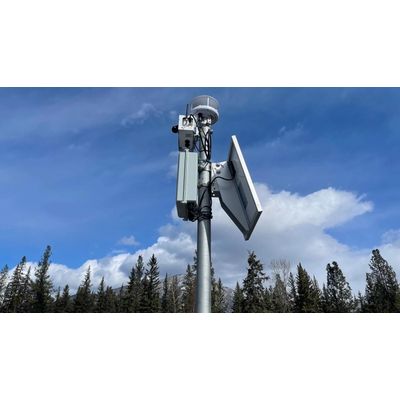
Air Quality Monitoring for Mining & Industrial Facilities - Mining
Mining, smelting, and other industrial activities have a critical impact on air quality. They release harmful pollutants such as fine particulate matter and greenhouse gases that negatively affect human health and increase air pollution.
Implementing air quality monitoring solutions at industrial sites enables real-time measurement of pollution levels and can be a gamechanger to protect industry workers and surrounding communities.
- Measure air pollution levels resulting from industrial activities in real-time
- Make data-driven decisions to mitigate air pollution impact on local population
- Compare continuous measurements against regulatory guidelines to confirm compliance
Mining and industrial operations significantly contribute to air pollution through greenhouse gas emissions, fine particulate matter, organic compounds, and chemicals. These pollutants have detrimental effects on climate change, human health, and the environment, highlighting the urgent need for comprehensive air quality monitoring and mitigation measures.
Here are common pollutants generated from industrial activities:
Fine particulate matter emissions from mining and industrial activities have significant negative effects on health, causing respiratory damage and premature death.
Mining and industrial operations contribute to air pollution, including greenhouse gas emissions that affect climate change.
Industrial processes release organic compounds, carbon monoxide, hydrocarbons, and other chemicals, contributing to air pollution and atmospheric warming.
Mining and industrial operations release pollutants such as toxic metals, particulates, nitrogen oxides, sulfur oxides, methane, carbon monoxide, and benzene, which can impact air quality, ozone formation, and the greenhouse effect.
First Quantum Minerals, a leading global copper company, revolutionized their air quality monitoring system at the Kansanshi Mine in Zambia.
By deploying Clarity`s advanced Node-S devices, they achieved improved data accuracy, cost savings, proactive community relations, and received positive feedback from auditors, highlighting the effectiveness of Clarity`s solution. Find out how their partnership with Clarity enabled them to take proactive steps towards environmental responsibility while enhancing operational efficiency.
assess real-time air pollution levels, air composition and regulatory compliance
the Wind Module can help with source attribution and determine the dispersion and movement of air pollutants
leverage real-time air pollution data to inform local community on recommended behaviors during pollution peaks
a network of several low-cost sensors can provide precise and exact measurements of the pollution across the facility