


- Home
- Companies
- Extraction Solutions
- Applications
- Fume Extraction System for Gas and Fume ...
Fume Extraction System for Gas and Fume Extraction - Air and Climate - Air Filtration
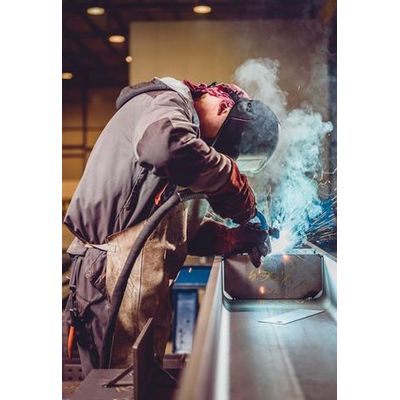
There are many types of welding processes that can cause exposure to harmful gases and fumes. The visible clouds of fume are generally made up of metal particles and metal oxide. Additionally, harmful gases such as nitrous oxide, carbon monoxide and carbon dioxide are emitted during welding operations. In order to protect workers these gases and fumes need to be controlled. A fume extraction system could be the perfect solution.
WHY IS FUME CONTROL NECESSARY?
Each different type of welding process gives off varying amounts of harmful fumes and gases. Fumes contain small particles of metal and flux, carbon monoxide and carbon dioxide. Studies by the HSE have concluded that welding fumes may be more harmful that previously thought: exposure to these fumes can cause many respiratory illnesses or even cancer. Companies must now provide adequate controls for welding operations regardless of duration. Additionally, these controls should remove the hazard at source as overall room extraction does not reduce exposure to the operator. A fume extraction system could present the ideal solution.
WORKPLACE EXPOSURE LIMIT
The workplace exposure limit (WEL) for welding fumes varies depending on the type of welding, material and the filler rod and flux. For example, the 8 hour exposure limit for iron oxide is 5mg/m3, whilst the limit for chromium III is 0.5mg/m3. Because of the large differences in WELs and combinations of different welding processes, we recommend that exposure tests are carried out to determine your limits. For information regarding the WEL for specific welding operation visit the HSE website. Extraction Solutions can offer bespoke fume extraction solutions to cater for your precise needs.
Welding Operator creating Fumes
HOW TO CONTROL EXPOSURE
Workplace hazards should all be taken into consideration when planning control measures. Protection of the worker should always be the first priority and employees should be included in the planning process. A fume system that is easy to use and does not impede workflow will be readily adopted by the workforce. We recommend a a combination of a centralised LEV and small portable welding extractors that can cover all aspects of your operations.
A LEV system coupled with easily manoeuvrable extraction hoods offers total flexibility and control for the operator. This allows them to position the hood as they move along the work piece and removing the toxic fumes at source before they can enter breathable space. General or overall extraction of a room is not generally accepted because this does not prevent the fumes reaching the operator. Risk assessments should be carried out in order to identify risks and implement control measures.