


Nitrite & nitrate analysis for wastewater treatment plants - Water and Wastewater - Water Treatment
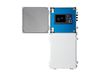
Aquamonitrix® nitrite and nitrate analyser for wastewater treatment plants. Control nitrous oxide emissions by using real-time nitrite (and nitrate) data to improve process control in biological nitrogen removal. Reduce energy consumption associated with aeration by using real-time nitrate and nitrite data to improve process control in biological nitrogen removal and optimise ‘short-cut’ methods such as nitrite shunt and anammox processes. Respond dynamically to changing conditions in wastewater entering the plant. Get instant alarms and alerts when effluent nitrate levels exceed permissible limits, so you are always the first to know about a pollution incident.
Green House Gas Emissions
Control nitrous oxide emissions by using real-time nitrite ( and nitrate) data to improve process control in biological nitrogen removal
Reduced Energy Consumption
Reduce energy consumption associated with aeration by using real-time nitrate and nitrite data to improve process control in biological nitrogen removal and optimise ‘short-cut’ methods such as nitrite shunt and anammox processes.
Improved Effluent Compliance
Remotely monitor your WWTP, with 24/7 surveillance of nitrate and nitrite concentrations. Have the peace of mind that your treatment processes are performing within specification and the reassurance of knowing that you don’t need to go to site.
A better understanding of real-time nitrate and nitrite dynamics as the intermediates in biological nitrogen removal (secondary treatment). This is the single most energy-intensive conversion in conventional wastewater treatment, and an enhanced understanding will enable you to reduce aeration energy requirements through better process control and optimisation.
In conventional biological nitrogen removal, highly energy-intensive aeration is required to convert ammonia to nitrate, nitrite and finally to nitrogen gas.
‘Shortcut’ biological nitrogen removal (SBNR) reduces energy consumption
+ With the nitrite shunt approach the ‘shortcut’ is achieved by stopping the nitrification process at nitrite, which is then reduced directly to nitrogen gas.