


Computational Hydraulics International (CHI)
- Home
- Companies
- Computational Hydraulics International ...
- Applications
- PCSWMM - Advanced Modeling Software for ...
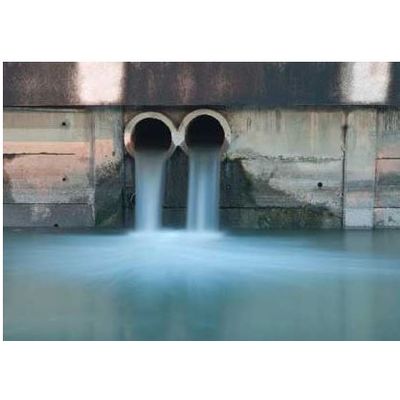
PCSWMM - Advanced Modeling Software for Water Quality Modeling - Water and Wastewater
Generate accurate non-point source pollutant loadings for TMDL, NPDES, MS4, CMOM and related studies. PCSWMM provide tools that help design control strategies for managing polluted stormwater released to receiving waters – making it easier to design to meet water quality regulations.
Most popular related searches
water quality
water quality modeling
water modeling
municipal wastewater treatment
water quality regulations
wastewater treatment pond
pollution modeling
wastewater treatment
municipal wastewater
rainfall data
Spotlight Projects
- Modeling Cha-Am Municipality Wastewater Treatment Pond
- Agricultural BMP Decision Support for Rural Ontario Watersheds
- Dry Weather Channel Impacts on Wet Weather CSO Pollution Rates
PCSWMM allows for accurate generation of non-point source pollutant loadings for wasteload allocation studies. To streamline the design effort involved in meeting water quality regulations, PCSWMM provides an efficient set of tools for designing control strategies for managing stormwater quality released to receiving waters.
- Model pollutant build-up due to dry-weather deposition, direct contribution from rainfall and baseflow for an unlimited number of pollutants
- Model pollutant wash-off during storm events
- Different semi-empirical/physically based options to represent pollutant build-up and wash-off
- Include land use impacts and pollutant interdependence
- Simulate reduction in pollutant buildup due to street cleaning and reduction in washoff load due to BMPs and exponential decay
- Improve rainfall estimations with comprehensive support of large continuous, spatially distributed rainfall data sets (e.g. radar-rainfall)
- Routing of pollutants through the conveyance system
- Include reduction in pollutant load through treatment at nodes to represent treatment at storage units or natural processes in pipes and channels
- Utilize flexible scenario analysis tools for comparative analysis of different "what-if" strategies
Stay in the loop!
Select your areas of interest to receive industry updates.