


- Home
- Companies
- Shenzhen Macrosafe Technology Co.,Ltd.
- Articles
- Balancing Security and Privacy: Ethical ...
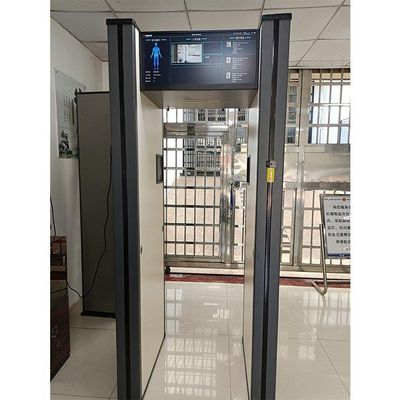
Balancing Security and Privacy: Ethical Considerations of Walk-Through Metal Detectors
Balancing Security and Privacy: Ethical Considerations of Walk-Through Metal Detectors
Walk-through metal detectors have become integral components of security protocols in various settings, including transportation hubs, public events, and educational facilities. While these devices play a crucial role in enhancing security and mitigating potential threats, their deployment raises important ethical considerations regarding individual privacy. This article delves into the ethical balancing act of walk-through metal detectors, examining their impact on privacy, the importance of ethical considerations, and the measures that can be taken to ensure a harmonious equilibrium between security and privacy.
The Role of Walk-Through Metal Detectors in Security
Walk-through metal detectors are designed to identify and deter the unauthorized entry of weapons, explosives, or other dangerous objects into secured environments. By screening individuals for metallic items, these devices significantly contribute to the prevention of security breaches, promoting a safe and secure environment for all occupants within the targeted areas. The proactive use of walk-through metal detectors is pivotal in fostering a culture of vigilance and safety, deterring potential wrongdoers and enhancing the overall security posture of the respective settings.
Privacy Considerations in Security Screening
While the use of walk-through metal detectors is essential for maintaining security, it is equally important to consider the privacy rights of individuals undergoing security screening. The act of subjecting individuals to electronic screening may evoke concerns regarding personal privacy, particularly in environments where large numbers of people undergo security checks on a regular basis. Striking a balance between effective security measures and respecting individual privacy forms the crux of ethical considerations surrounding the deployment of walk-through metal detectors.
Transparency and Consent
Transparency is fundamental in addressing privacy concerns related to walk-through metal detectors. Institutions and organizations utilizing these devices must ensure that individuals are fully aware of the purpose and nature of the security screening procedures. Clear and accessible information about the operation of walk-through metal detectors furthers the concept of informed consent, allowing individuals to understand and acknowledge the security measures in place as they enter secured environments.
Non-Discriminatory Practices
The application of walk-through metal detectors must align with non-discriminatory practices, ensuring that security screenings are conducted without bias or prejudice. In adhering to ethical standards, it is imperative that individuals are screened based on universal security criteria rather than discriminatory factors such as race, religion, or cultural background. By upholding non-discriminatory practices, institutions uphold the principles of fairness and respect for individual rights while maintaining stringent security standards.
Safeguarding Dignity and Sensitivity
The operation of walk-through metal detectors should be executed with utmost respect for the dignity and sensitivity of individuals undergoing security screenings. Maintaining a balance between effective security measures and respectful treatment of individuals is essential. Security personnel tasked with operating these devices should receive training to conduct screenings with professionalism, empathy, and discretion, ensuring that individuals feel respected and dignified throughout the screening process.
Technology and Privacy-Enhancing Measures
Advancements in technology have yielded privacy-enhancing measures that can be integrated into walk-through metal detectors. For instance, the utilization of advanced imaging techniques or software-based anomaly detection can enable security personnel to identify concealed items with greater precision while minimizing intrusiveness during the screening process. These technological advancements exemplify the potential for walk-through metal detectors to evolve in a manner that respects privacy without compromising security.
Collaborative Engagement and Feedback
Incorporating feedback and engaging stakeholders in discussions concerning the ethical use of walk-through metal detectors are essential components of a responsible approach to security. Open dialogue with individuals, representative groups, and organizational stakeholders enables institutions to gain insights into privacy concerns and perceptions related to security screening. By fostering collaborative engagement, institutions can demonstrate a commitment to addressing privacy considerations while bolstering security measures.
In conclusion, the deployment of walk-through metal detectors necessitates a conscientious approach to ethical considerations, particularly in relation to maintaining a balance between security and privacy. Transparent communication, non-discriminatory practices, safeguarding dignity, and embracing technological advancements are vital in mitigating privacy concerns associated with security screening. Striking this harmonious equilibrium ensures that security measures remain robust while respecting the privacy rights and dignity of individuals undergoing screening, fostering an ethical and responsible approach to security in diverse settings.