

- Home
- Companies
- Shenzhen Macrosafe Technology Co.,Ltd.
- Articles
- Benefits and Challenges of Implementing ...
Benefits and Challenges of Implementing Door Frame Metal Detectors in High-Traffic Areas
### Benefits and Challenges of Implementing Door Frame Metal Detectors in High-Traffic Areas
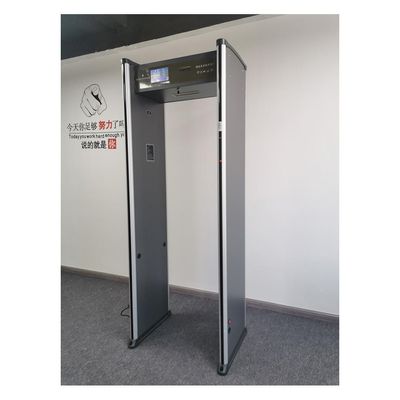
The implementation of door frame metal detectors (DFMDs) in high-traffic areas presents a compelling array of benefits, accompanied by significant operational challenges. As these security measures are designed to safeguard public safety and mitigate security risks, it is essential to consider both the advantages and limitations of deploying DFMDs in bustling environments. By examining the benefits and challenges associated with their implementation, we can gain a comprehensive understanding of the impact of these security measures on high-traffic areas.
#### Benefits
1. **Enhanced Threat Detection and Deterrence:**
- DFMDs enhance threat detection by effectively identifying concealed metallic objects, including weapons and unauthorized items. The visible presence of these detectors acts as a powerful deterrent, dissuading individuals from attempting to carry prohibited items into high-traffic areas.
2. **Access Control and Screening Efficiency:**
- In high-traffic areas, DFMDs facilitate efficient access control and screening processes, regulating entry by detecting metallic objects on individuals. This contributes to the overall robustness of access control measures and helps maintain the security integrity of these spaces.
3. **Operational Risk Mitigation:**
- By swiftly identifying potential threats, DFMDs assist in mitigating operational risks, ensuring the safety and well-being of individuals within high-traffic areas, such as transportation hubs, public venues, and commercial establishments.
4. **Emergency Response Preparedness:**
- The presence of DFMDs enhances emergency response preparedness by preventing potentially hazardous items from being brought into public spaces. This proactive approach contributes to the rapid and effective response of emergency services in the event of a security threat.
5. **Public Reassurance and Confidence:**
- The deployment of DFMDs fosters public confidence and reassurance by signaling a strong commitment to robust security measures. This instills a sense of safety and assurance among individuals accessing high-traffic areas, contributing to a secure and welcoming environment.
6. **Integration with Security Infrastructure:**
- DFMDs seamlessly integrate with broader security infrastructure, interfacing with centralized security platforms, access control systems, and surveillance networks. This integration facilitates a cohesive security ecosystem characterized by interoperability and data-driven threat management.
#### Challenges
1. **Operational Efficiency and Foot Traffic Management:**
- Implementing DFMDs in high-traffic areas necessitates careful planning to ensure operational efficiency and smooth foot traffic management. Long queues and delays during peak hours can impede the flow of individuals, impacting the overall experience of commuters and visitors.
2. **User Experience and Accessibility:**
- Balancing security requirements with user experience and accessibility is a challenge, as the implementation of DFMDs should not hinder the seamless movement of individuals within high-traffic areas. Ensuring ease of passage for individuals with mobility challenges or special needs requires careful consideration during deployment.
3. **Routine Maintenance and Calibration:**
- DFMDs require regular maintenance and calibration to ensure consistent and accurate threat detection. High-traffic areas pose a challenge in scheduling routine maintenance without disrupting normal operations, necessitating meticulous planning for upkeep activities.
4. **Privacy Concerns and Public Perception:**
- The presence of DFMDs may raise privacy concerns among the public, especially in areas with heavy foot traffic. Addressing these concerns and managing public perception about the deployment of these security measures is crucial to maintain a positive and receptive environment.
5. **Cost Considerations and Resource Allocation:**
- The implementation of DFMDs in high-traffic areas involves significant costs, including procurement, installation, maintenance, and staff training. Allocating resources efficiently and evaluating the long-term financial implications presents a notable challenge for organizations and authorities.
6. **Regulatory Compliance and Legal Considerations:**
- Ensuring compliance with privacy regulations, security standards, and legal requirements poses a challenge in the implementation of DFMDs. Negotiating the regulatory landscape and addressing legal considerations while deploying these security measures requires meticulous attention to detail.
#### Conclusion
In conclusion, while the implementation of DFMDs in high-traffic areas offers a multitude of benefits, it also presents notable operational challenges. Balancing the need for enhanced security with operational efficiency, user experience, and privacy considerations necessitates a comprehensive approach. Addressing these challenges through effective planning, stakeholder engagement, and innovative solutions is imperative to harness the full potential of DFMDs in safeguarding high-traffic areas while maintaining a seamless and secure environment for all individuals. As technology continues to advance, the evolution of DFMDs holds promise in mitigating these operational challenges, fostering a harmonious integration of security measures within bustling environments.