

- Home
- Companies
- Delta Remediation
- Articles
- Comprehensive Guide To Biostimulation: ...
Comprehensive Guide To Biostimulation: Enhancing Soil Microbes For Efficient Contamination Remediation
Introduction To Biostimulation
In the fascinating field of environmental science, one of the technologies gaining traction is biostimulation. It’s a novel approach that leverages nature’s own mechanisms to solve human-made problems, like soil contamination.
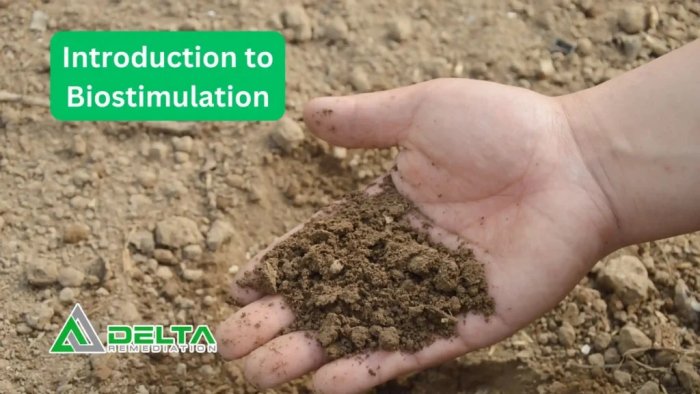
Biostimulation is a bioremediation process that enhances the natural microbial population present in the soil. It encourages the growth and activity of these indigenous microbes to degrade organic contaminants more efficiently.
Basics Of Biostimulation
The essence of biostimulation is to provide a conducive environment for microbes, as these organisms can break down contaminants more efficiently when conditions are optimized.
Steps Involved In Biostimulation
The process begins by analyzing the soil for microbial populations and contamination levels. Post-analysis, the site-specific biostimulation plan is formulated and implemented, which often involves the addition of nutrients or other stimulants.
Microbes, specifically bacteria, are the heroes in the biostimulation process. These microscopic creatures are naturally present in the soil, and given the right conditions, they have the ability to break down various contaminants.
Addition Of Nutrients
Just like any other living organism, microbes require nutrients to thrive. Providing them with nitrogen, phosphorus, and potassium and other micronutrients can enhance their population and metabolic activity.
Emulsified Vegetable Oils
These oils provide a slow-release carbon source, promoting prolonged microbial activity in the soil.
The microbial degradation process often requires water and oxygen. Hence, moisture and air are periodically introduced into the contaminated soil to foster microbial activity.
Biostimulation is a cost-effective and eco-friendly solution. It uses nature’s own cleanup crew, eliminating the need for harmful chemical treatments or expensive mechanical extraction.
The success of biostimulation is contingent on many factors, including the type of soil, the nature of the contaminants, and the local microbial population. Hence, a one-size-fits-all approach doesn’t work, requiring extensive preliminary assessments.
While biostimulation focuses on enhancing the indigenous microbial population, bioaugmentation is a related process that introduces specialized microbes into the soil to augment the degradation process.
Examples Of Biostimulation In Action
Biostimulation has been successfully used to treat oil spills, industrial waste leaks, and even contamination from nuclear disasters. It’s also being explored in agriculture to manage soil fertility and pest control.
Future Of Biostimulation
With the escalating environmental concerns, biostimulation holds a promising future. Advanced research and technological developments may soon make this technique a standard practice for soil decontamination.
Biostimulation is indeed a natural, cost-effective, and efficient solution for managing soil contamination. As we move towards a more sustainable future, harnessing the power of microbes through biostimulation will play a critical role in preserving our environment.