

- Home
- Companies
- Supmea Automation Co.,Ltd
- Articles
- Conductivity Analysis: Tools and ...
Conductivity Analysis: Tools and Techniques
Introduction
Conductivity analysis plays a crucial role in various industries, providing valuable insights into the properties of substances and their ability to conduct electricity. From water quality assessment to industrial process monitoring, conductivity analysis helps in ensuring optimal performance and quality control. In this article, we will explore the tools and techniques used in conductivity analysis, their applications, best practices, and future trends.
Basic Concepts of Conductivity Analysis
Conductivity refers to the ability of a substance to conduct electric current. It is influenced by the concentration and mobility of charged particles present in the solution. Conductivity is typically measured in units of Siemens per meter (S/m) or micro Siemens per centimeter (µS/cm). By analyzing conductivity, we can gain insights into the composition and purity of a substance.
Types of Conductivity Analysis Tools
There are several types of tools available for conducting conductivity analysis, depending on the specific requirements and applications. Portable conductivity meters are handheld devices suitable for field measurements. They are compact, user-friendly, and often feature built-in temperature compensation. Benchtop conductivity meters are more advanced instruments used in laboratories, offering higher accuracy and additional functionalities.
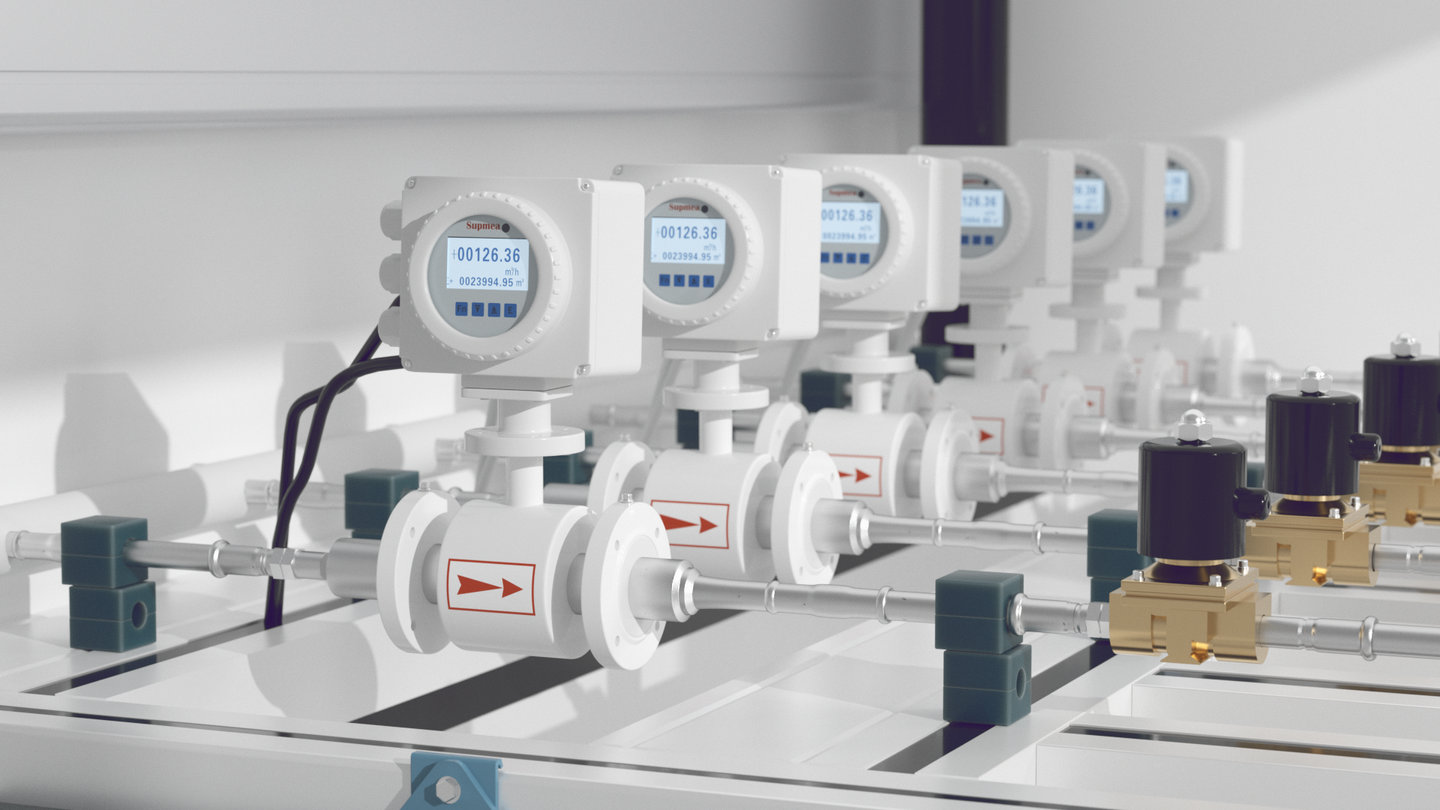
Inline conductivity sensors are designed for the continuous monitoring of industrial processes. They can be integrated into pipelines or tanks to provide real-time data. Laboratory-grade conductivity analyzers are specialized instruments that offer advanced features such as multiple measurement modes, data storage, and connectivity options for comprehensive analysis.
Conductivity Analysis Techniques
Conductivity analysis can be performed using direct or indirect measurement methods. In the direct measurement method, the conductivity of the sample is directly determined by measuring the electrical conductivity using appropriate probes or sensors. Indirect measurement methods involve determining the conductivity indirectly based on other properties such as resistance or impedance.
Various factors can affect the accuracy and reliability of conductivity analysis, including temperature, sample purity, electrode contamination, and calibration. It is essential to understand these factors and apply appropriate corrections or precautions during the analysis.
Applications of Conductivity Analysis
Conductivity analysis finds wide-ranging applications across different industries. In water quality assessment, conductivity analysis helps determine the concentration of dissolved salts and assess the overall purity of the water. It is also crucial in industrial process monitoring, ensuring optimal performance and detecting any deviations or contamination.
The pharmaceutical analysis utilizes conductivity analysis to measure the concentration of ions in drug formulations, enabling quality control and batch consistency. Environmental analysis involves conductivity measurements to assess the impact of pollutants on water bodies and ecosystems.
Best Practices for Conductivity Analysis
To ensure accurate and reliable conductivity analysis, several best practices should be followed. Regular calibration and maintenance of conductivity instruments are essential to keep them in optimal working condition. Proper sample handling and preparation, including cleaning electrodes and eliminating air bubbles, are critical to obtaining accurate results.
Avoiding common errors such as using incorrect units, insufficient sample volume, or inadequate mixing is crucial. It is also important to understand the limitations of conductivity analysis and consider complementary techniques for comprehensive analysis when necessary.
Advancements in Conductivity Analysis Technology
Advancements in technology have brought significant improvements to conductivity analysis tools. Modern conductivity meters and analyzers often come with wireless connectivity options, allowing seamless data transfer and remote access. Data logging capabilities enable long-term monitoring and trend analysis. Automation and integration with other instruments streamline workflows and enhance efficiency.
Real-time monitoring systems equipped with conductivity sensors provide continuous data, enabling proactive decision-making and immediate response to any variations or anomalies. These advancements have revolutionized conductivity analysis, making it more accessible, efficient, and user-friendly.
Future Trends in Conductivity Analysis
Looking ahead, conductivity analysis is expected to witness further advancements and innovations. Miniaturization of conductivity sensors will make them more versatile and portable, enabling applications in various fields, including wearable devices and point-of-care diagnostics. Integration with the Internet of Things (IoT) will facilitate real-time data sharing and analysis, allowing for more precise control and monitoring of processes.
Enhanced data analysis and interpretation algorithms will enable deeper insights into the conductivity data, extracting valuable information and trends. These advancements will contribute to improved accuracy, faster analysis, and enhanced decision-making in conductivity analysis.
Conclusion
Conductivity analysis is a vital tool in various industries, providing valuable insights into substance properties and their ability to conduct electricity. With a range of tools and techniques available, accurate conductivity measurements can be achieved for water quality assessment, industrial process monitoring, pharmaceutical analysis, and environmental analysis. Adhering to best practices and embracing advancements in technology will continue to enhance the effectiveness and efficiency of conductivity analysis.
FAQs
Q1: What is the significance of conductivity analysis in water treatment?
A1: Conductivity analysis helps determine the concentration of dissolved salts, indicating the purity and quality of the water. It enables effective water treatment processes and ensures compliance with regulatory standards.
Q2: Can conductivity analysis be used to determine the concentration of dissolved salts?
A2: Yes, conductivity analysis provides a reliable method to measure the concentration of dissolved salts. The higher the conductivity, the higher the concentration of dissolved ions in the solution.
Q3: How often should conductivity instruments be calibrated?
A3: Conductivity instruments should be calibrated regularly, following the manufacturer's guidelines. Typically, calibration is recommended before each measurement session or at least once a month to maintain accuracy.
Q4: Are there any safety precautions to consider when conducting a conductivity analysis?
A4: It is important to handle conductivity instruments with care and follow safety protocols, such as wearing appropriate personal protective equipment. Additionally, avoid exposing the instruments to extreme temperatures or corrosive substances.
Q5: Can conductivity analysis be performed on non-aqueous samples?
A5: Yes, conductivity analysis can be performed on non-aqueous samples as long as the appropriate calibration and measurement methods are employed. Conductivity measurements can provide insights into the ion content and properties of non-aqueous solutions.