


- Home
- Companies
- Aimix Group Co., Ltd
- Articles
- Creating Slipway Design Drawing

Creating Slipway Design Drawing
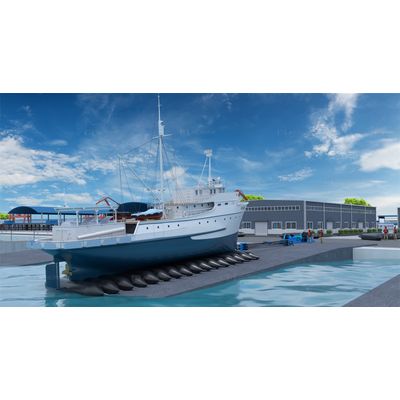
Designing slipways requires careful planning, engineering expertise, and attention to detail to ensure the safe and efficient launch and retrieval of vessels. Slipways are inclined ramps or platforms used for launching and docking boats, yachts, and ships in marine facilities such as boatyards, shipyards, and marinas. Creating detailed slipway design drawings is a crucial step in the construction or renovation of slipways. In this comprehensive guide, we'll explore the key steps and considerations for making slipway design drawings.
Site Assessment and Planning
The first step in creating slipway design drawings is to conduct a thorough site assessment and planning process. Evaluate the location, terrain, water depth, tidal conditions, and environmental factors that may impact slipway operations. Consider the types and sizes of vessels that will use the slipway, as well as the desired launch and retrieval methods.
Regulatory Compliance
Ensure that your slipway design complies with local, national, and international regulations, codes, and standards. This includes safety regulations, environmental requirements, accessibility guidelines, and zoning restrictions. Obtain necessary permits and approvals from regulatory authorities before proceeding with design and construction.
Conceptual Design
Develop a conceptual design for the slipway that outlines the overall layout, dimensions, slope, elevation, and structural elements. Consider factors such as the number of lanes, width of the slipway, turning radius for vessels, and clearance heights for overhead obstacles. Use computer-aided design (CAD) software or drafting tools to create preliminary sketches and drawings.
Structural Analysis
Conduct a structural analysis of the slipway design to ensure its stability, load-bearing capacity, and durability. Consider factors such as soil conditions, foundation requirements, water pressure, wave action, and seismic forces. Engage structural engineers to perform calculations, simulations, and modeling to optimize the design's structural integrity.
Materials and Construction Methods
Select appropriate materials and construction methods for the slipway based on the design requirements, environmental conditions, and budget constraints. Common materials used for slipways include reinforced concrete, steel, timber, and composite materials. Consider factors such as corrosion resistance, wear resistance, and maintenance requirements when choosing materials.
Detailed Drawings and Specifications
Develop detailed drawings and specifications for the slipway design, including plans, elevations, sections, details, and schedules. Specify dimensions, materials, finishes, reinforcement details, drainage systems, lighting, signage, and safety features. Include notes, annotations, and legends to clarify design intent and construction requirements.
Hydrodynamic Considerations
Account for hydrodynamic considerations in the slipway design, particularly for slipways located in tidal zones or areas with strong currents. Design features such as wave barriers, breakwaters, berthing aids, and fendering systems to mitigate wave action, reduce erosion, and protect vessels during launching and docking operations.
Accessibility and Safety
Ensure that the slipway design provides safe and accessible access for personnel, vehicles, and equipment. Include ramps, stairs, handrails, guardrails, ladders, and non-slip surfaces where necessary. Incorporate safety features such as emergency exits, firefighting equipment, first aid stations, and warning signage to enhance operational safety.
Environmental Protection
Integrate environmental protection measures into the slipway design to minimize impacts on surrounding ecosystems and water quality. Consider erosion control measures, sedimentation controls, stormwater management systems, and wastewater treatment facilities. Implement best practices for sustainable design, construction, and operation of the slipway.
Review and Collaboration
Review the slipway design drawings with relevant stakeholders, including engineers, architects, contractors, regulatory authorities, and client representatives. Seek feedback, input, and approvals at key stages of the design process to ensure alignment with project objectives, technical requirements, and stakeholder expectations.
Construction Documentation
Prepare construction documentation packages that include detailed drawings, specifications, bill of quantities, schedules, and procurement requirements. Coordinate with contractors, suppliers, and subcontractors to procure materials, equipment, and services needed for slipway construction. Monitor construction progress, quality, and compliance with design specifications throughout the project lifecycle.
Commissioning and Testing
After construction is completed, commission the slipway and conduct testing to verify its functionality, performance, and safety. Test launch and retrieval operations with representative vessels to ensure smooth and efficient operations. Address any issues, deficiencies, or modifications needed to optimize slipway performance and user experience.
In conclusion, creating slipway design drawings involves a comprehensive and systematic approach that integrates engineering principles, regulatory compliance, environmental considerations, safety requirements, and stakeholder collaboration. By following best practices for slipway design and construction, you can create a well-designed, functional, and resilient slipway that meets the needs of marine facilities and enhances vessel handling operations. Continuous monitoring, maintenance, and improvement of slipway infrastructure are essential for long-term performance and sustainability.