
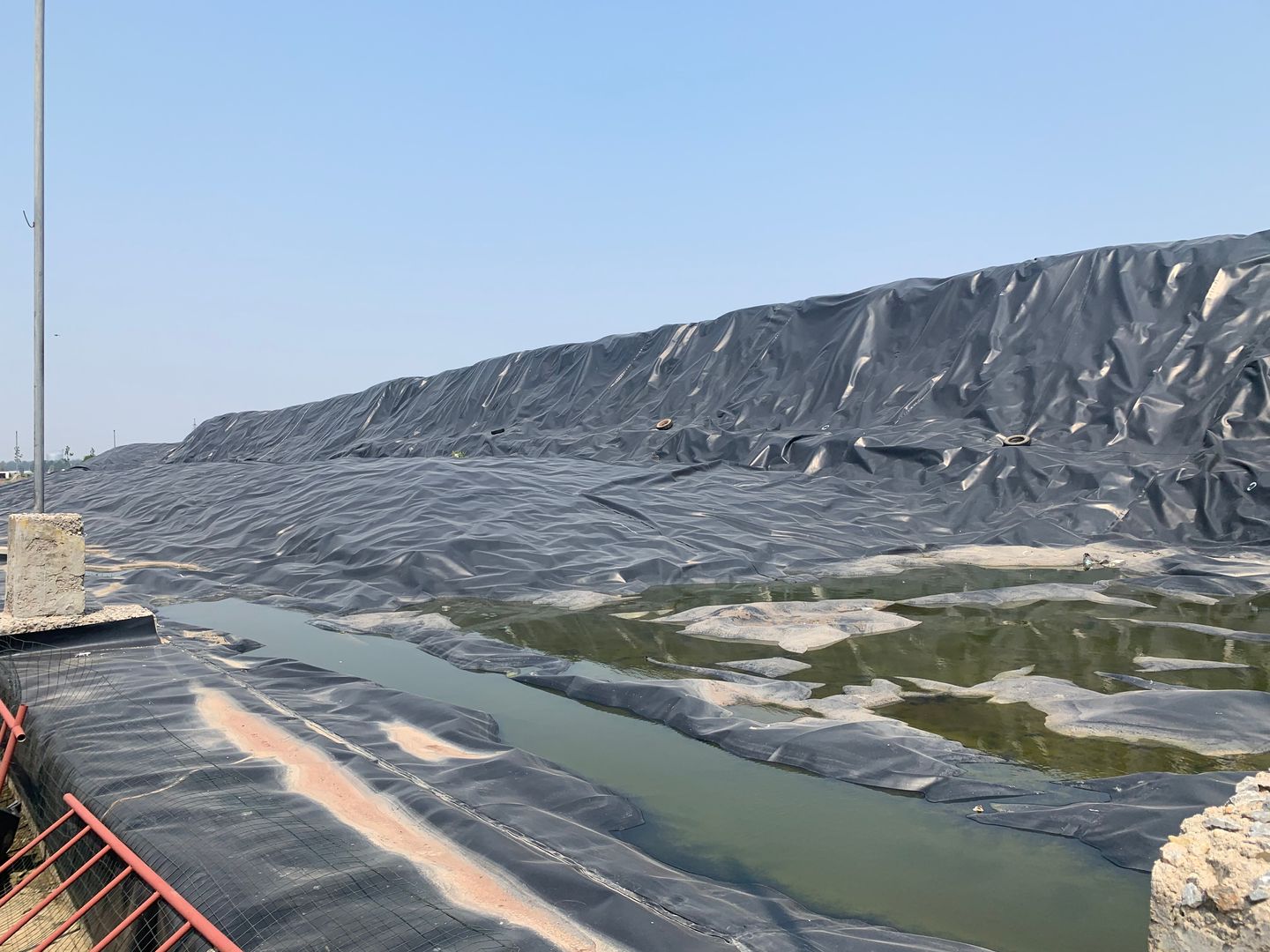

Dam liners FAQs
What Is A Dam Liner?
A dam liner is an anti-seepage layer used in a dam, reservoir, or other hydraulic structure, usually between the dam structure and a groundwater source. Its main function is to prevent water from seeping into the soil or rock, thereby reducing the risk of dam leakage and soil erosion. Dam liners are usually made of polyethylene (HDPE) material, which has good flexibility and anti-seepage properties.
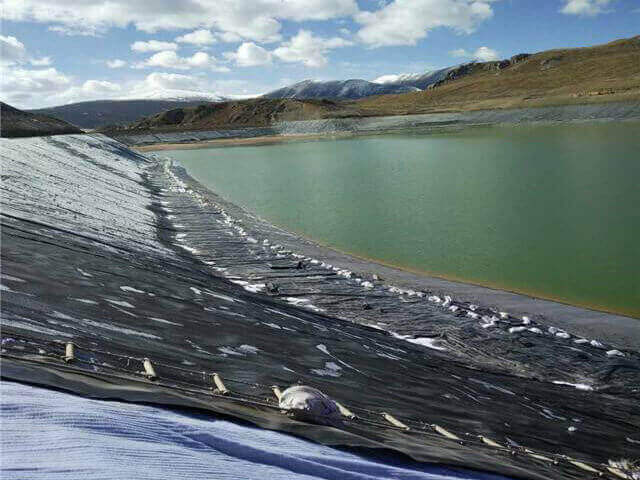
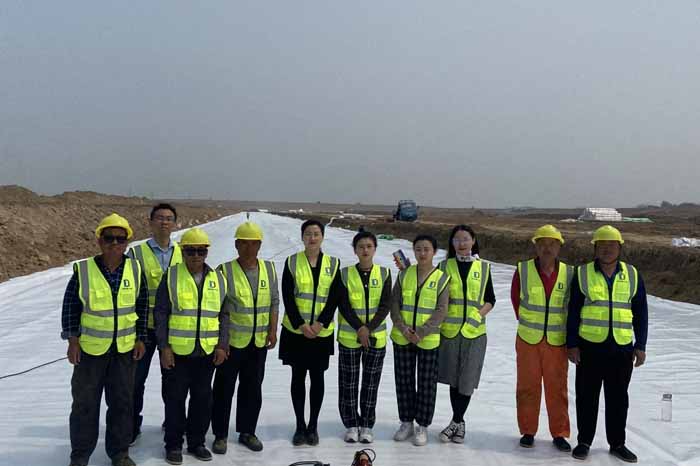
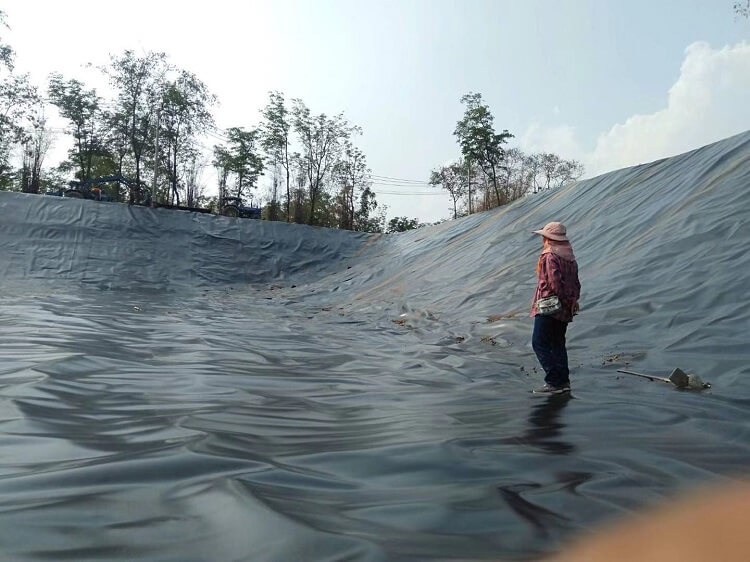
The best dam liner depends on specific engineering requirements and environmental conditions. Generally speaking, the best dam lining should have good anti-seepage properties, resist chemical corrosion, resist aging, be flexible and easy to install. When selecting the best dam liner, factors such as material characteristics, engineering environment, and cost need to be comprehensively considered.
The service life of a dam liner depends on a variety of factors, including the quality of the material, environmental conditions, usage and maintenance. Generally speaking, a high-quality dam liner will have a long service life, often decades or more. However, if affected by chemical corrosion, mechanical damage or other factors, the service life may be shortened.
The process of installing a dam liner typically involves the following steps:
- Preparation work: Clean and smooth the surface of the dam foundation to ensure that it is free of sharp objects and debris.
- Bottom filler: Laying a layer of appropriate filler (such as sand) on the surface of the base to smooth out unevenness and reduce pressure on the base surface.
- Laying the liner: Unroll and lay the dam liner over the substrate surface, ensuring complete coverage and conformity to the surrounding terrain.
- Treat the seams: Treat the seams between the pads according to the manufacturer’s recommendations, usually by means of heat welding or chemical bonding.
- Inspection and Repair: After installation is complete, inspect to ensure the integrity of the gasket and repair any damage that may be present.
- Monitoring and Maintenance: The condition of the dam liner is regularly monitored and necessary maintenance and repair work is performed to ensure its long-term performance.
Dam lining is considered an effective anti-seepage solution. They can effectively reduce leakage in dam structures and improve dam safety and reliability. By choosing the right materials and correct installation techniques, dam linings can provide long-lasting protection against seepage.
When selecting dam lining materials, key factors include the material’s chemical resistance, abrasion resistance, flexibility, UV stability and suitability for specific environmental conditions. For example, polyethylene (HDPE) is often used in applications that require high flexibility and abrasion resistance, while polyvinyl chloride (PVC) may be more suitable for environments with higher resistance to chemicals.
It is vital to ensure the integrity of dam linings to prevent leaks from occurring. This includes avoiding damage to the lining during installation, properly handling seams, and performing regular inspections and maintenance. Closely following the manufacturer’s recommendations and construction guidelines is also key to ensuring the integrity of your dam lining.
Evaluating the impermeability of a dam lining often involves conducting permeability tests and other laboratory tests to determine how well it blocks water. These tests can help determine the applicable scope and performance characteristics of the lining and guide its application in actual projects.
Dam linings can have an impact on the surrounding environment, particularly during material selection, installation and maintenance. To minimize environmental impact, materials that meet environmental standards should be selected and appropriate measures should be taken to prevent pollution and ecosystem damage.
When installing a dam lining, key considerations include ensuring the substrate surface is smooth, clean and free of sharp objects, handling joints correctly and avoiding damage to the lining. Follow the manufacturer’s recommendations and construction guidelines to ensure a smooth installation process and maximize the performance of your dam lining.
When selecting dam linings, environmental factors such as geological conditions, climate characteristics, water body characteristics, etc. should be considered. Different environmental conditions may have an impact on the selection of lining materials and performance requirements, so these factors should be fully considered when developing plans.
Because changing global climate patterns are leading to increasing water scarcity, dams, ponds and pools are increasingly being used for water storage purposes. In order to effectively manage this critical resource, the widespread use of high quality dam liners in water storage projects has become critical. If you have a dam project under construction or planned, contact us. Our expert dam liner engineers are available online 24/7 to assist you. As a dam liner supplier for more than 20 years, we can also provide you with free samples.