


- Home
- Companies
- Aimix Group Co., Ltd
- Articles
- Decoding the Costs: Factors Influencing ...
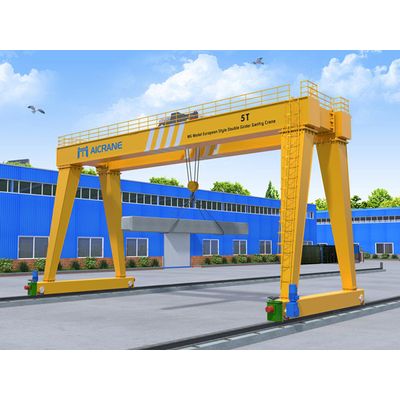
Decoding the Costs: Factors Influencing Gantry Crane Prices in the Market
Investing in a gantry crane is a strategic decision for businesses involved in material handling and heavy lifting. However, the process of selecting the right crane goes beyond just choosing the type and capacity; it involves a detailed understanding of the factors that influence gantry crane prices in the market. In this article, we delve into the complexities of these costs, decoding the key factors that contribute to the price variations in the gantry crane market.
Capacity and Size
One of the primary determinants of gantry crane prices is its lifting capacity and size. Gantry cranes are available in a wide range of configurations, from small-capacity models suitable for light lifting in workshops to heavy-duty giants designed for massive loads in industrial settings. Naturally, the larger the capacity and size of the crane, the higher the cost. Businesses must carefully assess their lifting requirements to align them with the appropriate crane capacity, ensuring a cost-effective solution that meets operational needs.
Span and Height
The span and height of a gantry crane are crucial factors that influence its price. The span, or the distance between the legs, and the lifting height impact the structural design and materials required for the crane. Longer spans and higher lifting heights demand sturdier construction, which translates to increased costs. Understanding the specific spatial requirements of a facility is essential in determining the appropriate span and height for a gantry crane, thereby influencing the overall investment.
Hoist Type and Features
Gantry cranes come equipped with various hoist types, including electric wire rope hoists, chain hoists, and even specialized hoists for unique applications. The choice of hoist type and additional features, such as variable speed controls, automation capabilities, and advanced safety systems, significantly contributes to the overall cost of the crane. Businesses should carefully assess their operational needs and safety requirements to determine the optimal hoist type and features that align with their budget.
Structural Materials and Design
The materials used in the construction of a gantry crane(купить козловой кран) play a pivotal role in its cost. Cranes constructed with high-quality materials, such as structural steel and corrosion-resistant components, tend to have a higher upfront cost. The design complexity, including factors like the shape of the gantry legs and the overall structural engineering, also influences the price. Businesses aiming for long-term durability and reliability may find that investing in superior materials and design is a prudent decision, despite the initial higher cost.
Manufacturer Reputation and Support
The reputation of the gantry crane manufacturer is another factor that can affect pricing. Established manufacturers with a history of producing reliable and durable equipment often command a premium for their products. However, this premium is often justified by the quality assurance, warranty support, and aftersales service that come with it. While upfront costs are a consideration, businesses should also factor in the long-term value and support provided by the manufacturer in their decision-making process.
Customization and Special Features
Gantry cranes can be tailored to specific operational needs through customization and the addition of special features. Customization, such as specific paint colors, branding, or modifications to suit unique applications, can impact the final price. Special features, such as remote control systems, smart technology integration, and specialized attachments, also contribute to the overall cost. Understanding the balance between customization and budget constraints is crucial in achieving an optimized solution.
In conclusion, decoding the costs associated with gantry crane prices involves a comprehensive understanding of various factors. From the crane's capacity and size to its hoist type, materials, and manufacturer reputation, each element contributes to the overall investment. Businesses seeking to make informed decisions should conduct a thorough assessment of their lifting requirements, operational needs, and budget constraints. By doing so, they can navigate the market with confidence, ensuring that the chosen gantry crane not only meets their immediate needs but also proves to be a valuable long-term asset in their material handling arsenal.