


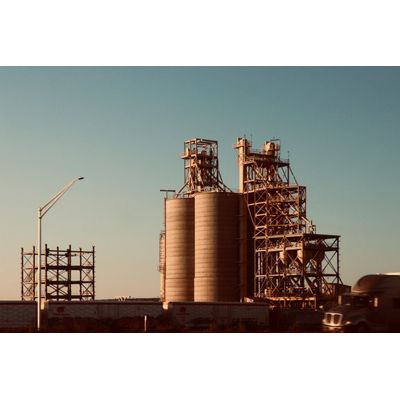
Deodorization at Besos WWTP
The presence of microorganisms in wastewater causes a decrease in dissolved oxygen as it is consumed in their metabolism. The greater the number of microorganisms, the greater the biological demand for oxygen. When this demand exceeds that which can be provided by air exchange, then an anaerobic process begins, creating a reducing environment that favors the release of odor-causing compounds in WWTPs:
- Sulfur derivatives (H2S and mercaptans).
- nitrogen derivatives (NH3 and amines)
- Acid derivatives (acetic)
- Aldehydes, ketones and esters derivatives.
This is why it is vital to seek solutions to the problem of bad odors and to implement deodorization treatments.
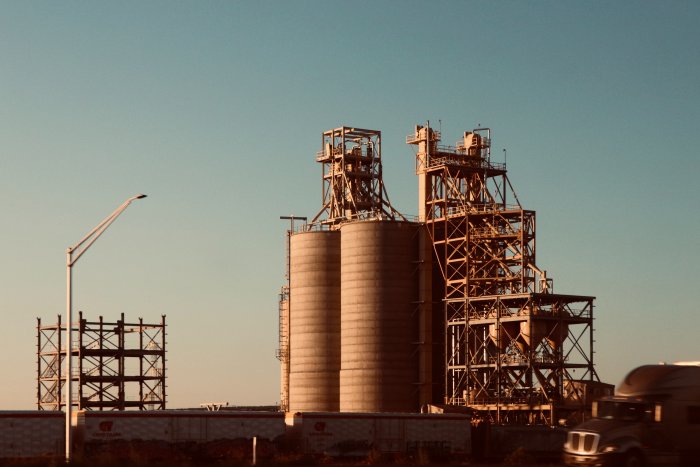
BION and the Besós Wastewater Treatment Plant (WWTP), managed by Aigües de Barcelona, have reached a collaboration agreement to conduct various field tests on new products.
The agreement allows BION to use the Besos facilities to conduct tests on new filter media for air deodorization.
The Besós WWTP is currently using BION filter media in several of the Side Access type units used to deodorize certain parts of the plant. A first stage is being used with BION carb OX and a second with a Bion+/AC blend (material that will continue to be supplied on a regular basis). In the last year, BION has developed the BION carb ODR filter media, a new carbon-based filter media with a high H2S removal capacity and mechanical properties.
Thus, it is proposed to carry out stability tests of the BION carb ODR filter media in an equipment where there are extreme conditions to which the media is to be tested, so we intend to:
Validate the BION carb ODR filter media under saturation conditions.
Evaluate the critical parameters (operation time, conditions, etc.) that cause the loss of the mechanical properties of the BION carb ODR product.
BION`s technical personnel will periodically carry out exhaustive monitoring of different variables in order to obtain a good characterization of the installation and to be able to draw the most significant conclusions possible. The variables to be monitored are as follows:
- Inlet humidity and temperature and between equipment sections.
- Concentration of total H2S/VOCs at the inlet and outlet of the equipment.
- Pressure drop in the different stages of the equipment.
- Inlet flow rate to the equipment.
With the results obtained, an exhaustive study will be carried out in order to evaluate if there is a possibility of improving the operation of this type of equipment.