


Duct Inspection Camera Guide: HVAC System Maintenance 101
Maintaining an efficient HVAC system is essential for comfort, energy savings, and healthy indoor air quality. While many homeowners and facility managers focus on filter changes or thermostat adjustments, one area that often gets overlooked is the ductwork.
Dust buildup, leaks, or hidden blockages inside ducts can compromise system performance. This is where an HVAC duct inspection camera becomes an invaluable tool for technicians and maintenance teams.
Let’s take a look at why duct inspections are important, how an inspection camera works, and how it fits into a proactive HVAC maintenance routine.
The duct system acts as the pathway for heated or cooled air. If it is blocked, leaking, or contaminated, the entire HVAC system struggles to deliver results. Here are a few reasons why duct inspections are so critical:
- Energy Efficiency: Leaks or blockages force the system to work harder, which increases energy costs.
- Air Quality: Dust, mold, and debris can accumulate inside ducts and circulate throughout a building.
- System Longevity: Identifying small issues early can prevent costly repairs or premature equipment replacement.
- Compliance and Safety: In commercial settings, regular duct inspections may be required to meet industry standards.
By scheduling routine duct inspections, you can protect both your investment in HVAC equipment and the comfort of your indoor environment. Learn more about The Importance of Keeping Your Ducts Clean.
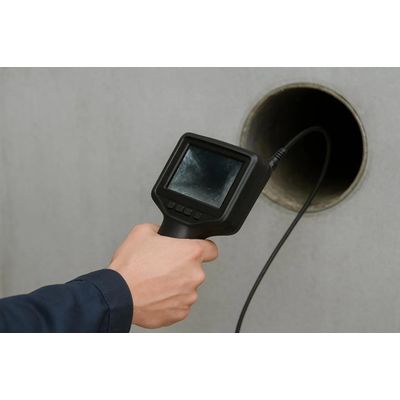
An HVAC duct inspection camera is a specialized tool designed to navigate inside ductwork and provide clear visuals of areas that are otherwise inaccessible. The camera is attached to a flexible cable, probe, or scope, and transmits video to a screen for real-time viewing. Some advanced models also record footage, capture still images, or include articulation to steer around corners.
These cameras are engineered to handle the challenges of duct inspections, such as low lighting, narrow passages, and dust. LED lights, durable housings, and high-resolution lenses make it possible to spot issues like cracks, leaks, corrosion, or even pest infestations.
Having access to this level of detail gives technicians the insight they need to recommend accurate, effective solutions.
For HVAC professionals, having an inspection camera in the toolkit provides several advantages:
- Accurate Diagnostics: Rather than guessing where a problem might be, technicians can see inside the ducts and pinpoint the exact issue.
- Time Savings: Traditional troubleshooting methods may require trial and error. A duct camera allows for faster inspections and quicker solutions.
- Customer Confidence: Showing clients real footage of what is happening inside their ducts builds trust and makes it easier to explain repair recommendations.
- Reduced Disruption: Instead of cutting into walls or dismantling ductwork, a small camera can enter through existing openings, minimizing damage and cleanup.
These benefits make inspection cameras a cost-effective and professional-grade tool for any HVAC maintenance program.
Not all cameras are the same, and the right model depends on your specific needs. Here are some features to consider when choosing an HVAC duct inspection camera:
- Cable Length and Flexibility: Longer, more flexible cables are ideal for reaching deep into ductwork.
- Lighting: Adjustable LED lights improve visibility in dark ducts.
- Image Quality: High-resolution cameras make it easier to spot fine cracks or subtle buildup.
- Articulation: A camera head that can bend or rotate helps navigate corners and complex duct systems.
- Recording Capability: Useful for documenting inspections, training staff, or sharing results with clients.
- Durability: Ducts can be dusty or moist, so look for a camera that can withstand these conditions.
Selecting the right camera ensures your inspections are efficient, accurate, and reliable.
Using a duct camera is straightforward, but best practices help ensure accurate results:
- Access the ducts through vents, registers, or service openings.
- Insert the camera slowly, adjusting the lights as needed for clear visibility.
- Navigate the ductwork carefully, checking for signs of dirt, leaks, mold, corrosion, or obstructions.
- Record or capture images if your device allows, especially for areas that need repair.
- Share findings with clients or facility managers, along with recommendations for cleaning, sealing, or repairs.
When used properly, a duct inspection camera can quickly reveal hidden issues and provide the evidence needed to take corrective action.
Adding regular duct inspections with a camera to your HVAC maintenance plan helps ensure the system runs at peak efficiency. Many professionals recommend inspecting ducts annually, or more often in environments with heavy use, construction dust, or humidity.
A camera inspection can also be performed after cleaning to verify that the ducts are free from debris. For property managers and commercial facilities, documented inspections provide valuable records for compliance and maintenance logs.
Making duct camera inspections a consistent part of your maintenance plan can reduce downtime, improve air quality, and extend equipment life.
HVAC systems are only as reliable as the ductwork behind them. Blockages, leaks, and hidden buildup can undermine efficiency, air quality, and comfort. By using an HVAC duct inspection camera, you gain the visibility needed to identify issues early and maintain peak system performance.
At USA Borescopes, we provide high-quality HVAC duct inspection cameras designed for professionals who want accuracy, durability, and ease of use. Explore our full range today and give your maintenance routine the upgrade it deserves.
Shop HVAC Inspection Cameras at USA Borescopes today!