


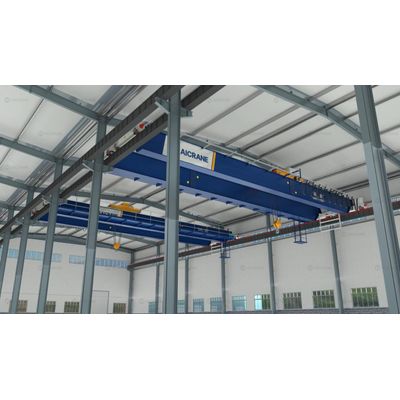
Duty Class Ratings and Their Importance in EOT Crane Selection
In modern industrial environments, Electric Overhead Traveling (EOT) cranes play a crucial role in the efficient handling of heavy loads. From steel mills to manufacturing plants, EOT cranes ensure safe, precise, and continuous material movement. However, selecting the right EOT crane goes beyond simply considering its lifting capacity or span; one of the most critical technical factors in crane selection is the duty class rating. Understanding duty class ratings is essential for ensuring operational safety, maximizing equipment lifespan, and maintaining cost-effectiveness in industrial operations.
What Are Duty Class Ratings?
Duty class ratings, often referred to as crane service classifications, are standardized designations that define the operating conditions and usage frequency for which a crane is intended. The concept originates from ISO 4301-1 and CMAA (Crane Manufacturers Association of America) specifications, which categorize cranes based on load, frequency of operation, operating time, and environmental conditions. These ratings help engineers and plant managers match crane capabilities to the demands of specific applications.
Duty classes are typically expressed as light, moderate, heavy, and severe, but the CMAA standard uses a more detailed classification system ranging from Class A to Class F. Each class specifies:
- Average operating hours per day
- Number of load cycles per hour
- Impact factors of loads
- Duration of usage over the crane’s expected lifespan
For example, a Class A crane is designed for occasional operation with light loads, while a Class F crane is built for continuous heavy-duty operation with frequent, high-impact loads.
How Duty Class Ratings Affect EOT Crane Design
Duty class ratings directly influence multiple aspects of an EOT crane design and construction. Selecting an incorrect duty class can lead to over-engineering (unnecessary costs) or under-engineering (safety risks and premature wear). Here’s how duty classes impact crane specifications:
Structural Design
The crane’s main girders, trolley, and bridge are designed based on anticipated loads and frequency. A higher duty class requires stronger, more rigid components to withstand repeated stresses without fatigue. For example, heavy-duty cranes in steel manufacturing may use thicker girders or reinforced welds to resist bending and torsional stress.
Hoist Mechanism
The motor, gearbox, drum, and braking system are all selected according to duty class. Higher duty classes demand motors capable of sustaining frequent starts and stops, with higher thermal capacity and longer service life. Hoist rope diameters and drum sizes are also adjusted to accommodate the expected operational cycles.
Control Systems
Duty class influences the sophistication and durability of control systems. Heavy duty overhead cranes may require advanced variable frequency drives (VFDs), smooth acceleration/deceleration controls, and emergency safety mechanisms to handle continuous operation without overheating or excessive wear.
Fatigue Life
The concept of fatigue is central to EOT crane reliability. Components subjected to repetitive loading cycles can fail even if individual loads are below the material’s ultimate strength. Duty class ratings provide engineers with the data needed to calculate fatigue life and ensure that cranes meet the expected operational lifespan without unexpected failures.
Maintenance Intervals
Higher duty class cranes require more frequent inspection and maintenance schedules. By understanding duty class, plant operators can proactively plan maintenance for hoists, motors, bearings, and structural elements to avoid costly downtime.
Duty Class Ratings and Operational Safety
One of the primary reasons duty class ratings are critical in crane selection is safety. Overloading a crane or subjecting a crane to operations beyond its design class can have severe consequences:
- Mechanical Failure: Undersized or lightly rated cranes may suffer from structural deformation, wire rope snapping, or gearbox failure under frequent heavy loads.
- Electrical Overload: Motors not designed for continuous heavy-duty operation may overheat, leading to electrical fires or abrupt shutdowns.
- Operational Incidents: Excessive crane sway, uncontrolled movement, or hoist malfunction increases the risk of accidents, particularly in high-stakes environments like steel mills or shipyards.
By selecting an EOT crane with the appropriate duty class, engineers ensure that the crane operates safely within its design limits, providing predictable and reliable performance over its lifespan.
Matching Duty Class to Application
Choosing the correct duty class requires a detailed assessment of the operating environment. Consider the following factors:
Frequency of Operation
How often will the crane lift and move loads? Applications with intermittent lifting, such as occasional maintenance or storage handling, may require lower duty classes. Conversely, production lines with continuous load movement necessitate higher duty classes.
Load Characteristics
Duty class selection depends on load weight, distribution, and impact. Sudden starts and stops, shock loading, or uneven loads increase stress on crane components, requiring higher-rated duty classes.
Environmental Conditions
Factors such as temperature, humidity, dust, and corrosive atmospheres can affect crane performance. Harsh conditions often necessitate a higher duty class rating or additional protective measures to prevent premature wear.
Operational Duration
Consider both daily operating hours and the expected operational lifespan. Duty class ensures the crane is capable of performing reliably throughout its intended life without excessive maintenance or downtime.
Criticality of Operations
Some applications, like nuclear facilities or high-precision manufacturing, require minimal risk of downtime. Choosing a higher duty class in these scenarios ensures redundancy and reliability.
Economic Implications of Duty Class Selection
Duty class ratings also have significant economic implications. Selecting a crane with a higher duty class than necessary can increase upfront costs due to heavier materials, stronger motors, and more robust components. On the other hand, underestimating the duty class can lead to frequent repairs, early replacements, and costly production interruptions.
A carefully assessed duty class ensures an optimal balance between initial investment and long-term operational costs. For example, a light-duty crane selected for a continuous steel coil handling operation would likely face rapid wear, downtime, and higher lifecycle costs than a properly rated heavy-duty crane.
Industry Standards for Duty Class Ratings
Several standards provide guidance for duty class ratings:
- ISO 4301-1: International standard defining general crane service classes.
- CMAA Specification No. 70: Defines classes from A (light) to F (severe) with detailed operating cycles, load factors, and expected usage.
- DIN 15018 (Germany): Provides European standards for crane design, including service classification and fatigue calculation.
These standards provide a consistent framework for manufacturers and buyers, ensuring EOT cranes are designed to meet specific operational requirements safely and reliably.
Conclusion
Duty class ratings are a fundamental parameter in EOT crane selection, influencing structural design, hoist and motor specifications, control systems, safety, maintenance, and overall lifecycle cost. Selecting the correct duty class requires careful assessment of operational frequency, load characteristics, environmental conditions, and the criticality of crane operations.
Ignoring duty class considerations can result in unsafe operations, excessive wear, costly maintenance, and unexpected downtime, while careful adherence ensures optimal performance, long service life, and economic efficiency. By understanding and properly applying duty class ratings, industrial operators can make informed decisions, ensuring their EOT cranes are not just capable of lifting loads, but doing so safely, efficiently, and reliably for years to come.
In short, duty class ratings bridge the gap between theoretical crane capacity and real-world operational demands, making them an indispensable factor in EOT crane procurement and industrial workflow optimization.