



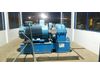

Efficient Method For Slipway Winch Calculation
Calculating the parameters and specifications for a slipway winch requires a systematic approach and careful consideration of various factors to ensure efficiency, safety, and optimal performance. A slipway winch is a critical component in marine operations for launching and retrieving boats, yachts, and other watercraft. Efficient calculation methods are essential for determining the appropriate winch capacity, wire rope requirements, power ratings, and other key parameters. In this comprehensive guide, we will explore the efficient methods and steps for slipway winch calculation.
Determine Load Requirements
The first step in slipway winch calculation is to determine the load requirements based on the types of boats or vessels to be handled. Consider factors such as the weight of the heaviest boat, additional loads (e.g., equipment, fuel), dynamic forces during launching or retrieval, and safety factors. Use historical data, manufacturer specifications, or industry standards to estimate the maximum load capacity required for the winch.
Calculate Traction Force
Once the load requirements are determined, calculate the traction force needed to move the boat along the slipway. Use the formula:
\[ Traction Force = Load Weight × Coefficient of Friction \]
The coefficient of friction depends on the type of surface (e.g., concrete, steel) and the condition of the slipway. Consider factors such as slope, incline, surface texture, and environmental conditions (e.g., wetness) that may affect friction.
Select Wire Rope Diameter
Choose an appropriate wire rope diameter based on the calculated traction force and safety factors. Refer to wire rope strength charts, manufacturer recommendations, and industry standards to determine the minimum diameter required to handle the load safely. Consider factors such as tensile strength, abrasion resistance, and corrosion protection when selecting the wire rope.
Calculate Drum Size and Capacity
Determine the drum size and capacity needed to accommodate the selected wire rope length and diameter. Calculate the drum capacity using the formula:
\[ Drum Capacity = Wire Rope Length × π × (Wire Rope Diameter)² \]
Ensure that the drum capacity is sufficient to handle the entire length of the wire rope without overlapping or crowding. Consider factors such as drum speed, winding efficiency, and safety margins in drum size selection.
Power Requirement Calculation
Calculate the power requirement for the slipway winch based on the calculated traction force, drum size, and operational parameters. Use the formula:
\[ Power = Traction Force × Drum Speed ÷ (Efficiency × Gear Ratio) \]
Consider the efficiency of the winch system, gear ratio, motor efficiency, and safety factors when calculating power requirements. Choose an electric, hydraulic, or pneumatic power source based on operational needs, environmental conditions, and energy efficiency considerations.
Evaluate Safety Factors
Incorporate safety factors into the slipway winch calculation to account for unexpected loads, dynamic forces, and operational variations. Apply safety margins to the calculated traction force, wire rope capacity, drum size, and power ratings to ensure reliable and safe winch operation under varying conditions.
Consider Environmental Conditions
Factor in environmental conditions such as temperature, humidity, saltwater exposure, and operating environment (e.g., marine, industrial) when performing slipway winch calculations. Choose materials, coatings, and components that can withstand harsh conditions and corrosion for long-term durability and reliability.
Consult Manufacturer Guidelines
Refer to manufacturer guidelines, technical specifications, and design standards for slipway winches to ensure compliance with industry best practices and safety regulations. Follow recommended procedures for winch installation, operation, maintenance, and load testing to maximize efficiency and minimize risks.
Simulation and Testing
Conduct simulations or virtual testing using specialized software or modeling tools to validate the slipway winch calculations. Simulate different load scenarios, operating conditions, and environmental factors to assess winch performance, safety margins, and efficiency. Make adjustments or refinements to the calculations based on simulation results and feedback.
Review and Documentation
Review the slipway winch calculations, specifications, and design parameters to ensure accuracy, completeness, and compliance with project requirements. Document all calculations, assumptions, inputs, and results for future reference, analysis, and documentation purposes. Keep detailed records of winch specifications, maintenance schedules, and operational data for ongoing monitoring and optimization.
In conclusion, efficient slipway winch calculation methods involve careful analysis of load requirements, traction forces, wire rope selection, drum sizing, power requirements, safety factors, environmental considerations, and compliance with manufacturer guidelines. By following systematic calculation procedures and incorporating safety margins, engineers and operators can design and select slipway winches that meet operational needs, ensure safety, and optimize performance in marine applications. Continuous monitoring, testing, and documentation are essential for ongoing evaluation and improvement of slipway winch systems.