


- Home
- Companies
- Meacon Automation
- Articles
- Electromagnetic Flowmeter in Industrial ...
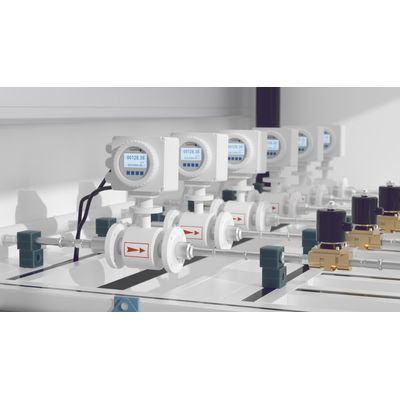
Electromagnetic Flowmeter in Industrial Applications
Introduction
In various industrial applications, accurate measurement of fluid flow is crucial for process optimization, control, and efficiency. One popular device used for this purpose is the electromagnetic flowmeter. This article explores the working principle of electromagnetic flowmeters, their advantages, and their diverse applications in different industries.
How Does an Electromagnetic Flowmeter Work?
An electromagnetic flowmeter operates based on Faraday's law of electromagnetic induction. It consists of a pipe section with two electrodes mounted diametrically opposite to each other. When a conductive fluid flows through the pipe, a magnetic field is generated by applying a voltage across the electrodes. As the fluid moves, it cuts through the magnetic field, resulting in the induction of an electromotive force (EMF) proportional to the flow velocity. This EMF is measured by the flowmeter and converted into a flow rate reading.
Advantages of Using Electromagnetic Flowmeters
Electromagnetic flowmeters offer several advantages over other types of flow measurement devices. Firstly, they can accurately measure the flow rate of conductive fluids, including corrosive and abrasive liquids. Secondly, electromagnetic flowmeters have no moving parts, reducing the risk of mechanical failure and minimizing maintenance requirements. Additionally, they provide a wide measurement range, high accuracy, and excellent long-term stability.
Industrial Applications of Electromagnetic Flowmeters
Water and Wastewater Treatment
Electromagnetic flowmeters play a crucial role in water and wastewater treatment processes. They accurately measure the flow of water, wastewater, and various chemicals used in treatment operations. These flowmeters are resistant to fouling, making them suitable for applications involving solids-laden or slurry fluids.
Food and Beverage Industry
In the food and beverage industry, maintaining precise flow measurements is vital for ensuring consistent product quality and meeting regulatory requirements. Electromagnetic flowmeters are commonly used for monitoring and controlling the flow of liquids such as milk, fruit juices, beer, and syrup during production.
Chemical and Petrochemical Industry
The chemical and petrochemical industry deals with a wide range of fluids, including corrosive and hazardous substances. Electromagnetic flowmeters are well-suited for these applications due to their resistance to chemical attack and ability to handle aggressive media. They find use in measuring the flow of acids, solvents, caustic solutions, and petroleum products.
Pharmaceutical Industry
In pharmaceutical manufacturing, precise measurement and control of fluid flow are essential for batch consistency and quality assurance. Electromagnetic flowmeters are commonly employed for monitoring and regulating the flow of liquids during drug production, including the measurement of sterile and high-purity liquids.
Mining and Mineral Processing
Mining and mineral processing operations often involve the transportation and treatment of slurries and abrasive fluids. Electromagnetic flowmeters offer reliable and accurate measurements in these challenging environments, facilitating efficient process control and optimization.
Oil and Gas Industry
In the oil and gas industry, electromagnetic flowmeters are utilized for measuring the flow of crude oil, refined petroleum products, and natural gas. These flowmeters are resistant to harsh operating conditions and provide accurate readings even in the presence of contaminants, making them suitable for upstream, midstream, and downstream applications.
Power Generation
Electromagnetic flowmeters find applications in power plants for measuring the flow of cooling water, boiler feedwater, condensate, and other fluids. Accurate flow measurement is crucial for optimizing energy generation and ensuring the safe and efficient operation of power generation equipment.
Factors to Consider When Choosing an Electromagnetic Flowmeter
When selecting an electromagnetic flowmeter for a specific application, several factors should be taken into account:
Flow Rate and Pressure Range: Ensure that the flowmeter can handle the anticipated flow rates and operating pressures of the fluid.
Fluid Compatibility: Consider the compatibility of the flowmeter's wetted materials with the fluid being measured to prevent chemical reactions or degradation.
Accuracy and Calibration: Evaluate the flowmeter's accuracy requirements and ensure that it can be calibrated to meet the desired measurement accuracy.
Installation Requirements: Consider factors such as pipe size, orientation, and available space for proper installation of the flowmeter.
Maintenance and Support: Assess the maintenance requirements of the flowmeter and the availability of technical support from the manufacturer.
Conclusion
Electromagnetic flowmeters are valuable instruments widely used in various industrial applications. Their accurate and reliable flow measurement capabilities make them essential for optimizing processes, improving efficiency, and ensuring product quality. By understanding the working principle, advantages, and diverse applications of electromagnetic flowmeters, industries can make informed decisions when selecting flow measurement devices for their specific needs.
FAQs
Can an electromagnetic flowmeter measure non-conductive fluids?
No, electromagnetic flowmeters can only measure the flow of conductive fluids.
What is the typical lifespan of an electromagnetic flowmeter?
The lifespan of an electromagnetic flowmeter depends on factors such as operating conditions, maintenance, and calibration. With proper care, they can last for many years.
Are there any limitations to using electromagnetic flowmeters?
Electromagnetic flowmeters may face challenges in measuring low-conductivity fluids or fluids with suspended solids. Additionally, they may require a minimum flow rate for accurate measurements.
Can electromagnetic flowmeters handle high-temperature fluids?
Yes, electromagnetic flowmeters can be designed to handle high-temperature fluids by using appropriate materials and insulation.
How can I ensure accurate measurements with an electromagnetic flowmeter?
To ensure accurate measurements, it is important to properly install and calibrate the electromagnetic flowmeter according to the manufacturer's instructions. Regular maintenance and verification checks are also recommended to maintain accuracy over time.