


- Home
- Companies
- Shenzhen Macrosafe Technology Co.,Ltd.
- Articles
- Enhancing School Safety: Implementing ...
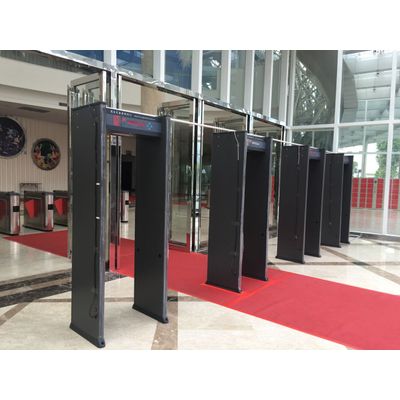
Enhancing School Safety: Implementing Walk-Through Metal Detectors in Educational Facilities
Enhancing School Safety: Implementing Walk-Through Metal Detectors in Educational Facilities
Ensuring the safety and security of students, staff, and visitors is a paramount priority for educational institutions. In response to the evolving landscape of safety concerns, the implementation of walk-through metal detectors in educational facilities has become an integral part of comprehensive security protocols. This article delves into the imperative of enhancing school safety through the implementation of walk-through metal detectors, shedding light on the benefits, considerations, and impact of integrating these devices within educational settings.
Prioritizing Campus Safety
Educational facilities serve as nurturing environments for learning and personal development; however, the imperative of fostering a secure campus environment cannot be overstated. In light of safety concerns such as unauthorized entry of weapons, threat assessment, and response to potential security breaches, the deployment of walk-through metal detectors contributes to a proactive approach in safeguarding the well-being of students, staff, and visitors. By prioritizing campus safety through the implementation of these devices, educational institutions affirm their commitment to creating an environment where security measures dovetail with nurturing academic and social experiences.
Deterrence and Prevention of Threats
The presence of walk-through metal detectors serves as a visible deterrent to potential threats, dissuading individuals from attempting to bring weapons or hazardous objects onto school grounds. The proactive use of these devices also aids in the prevention of security breaches, as they are designed to identify and mitigate the entry of prohibited items, significantly reducing the likelihood of harm or endangerment within the educational environment. By dissuading and preventing potential threats, walk-through metal detectors contribute to fostering a safe and secure atmosphere where individuals can pursue academic endeavors with peace of mind.
Cultivating a Culture of Safety and Accountability
The integration of walk-through metal detectors in educational facilities cultivates a culture of safety, accountability, and vigilance. It underscores the commitment of educational institutions to prioritize proactive security measures, fostering a collective sense of responsibility and awareness regarding safety protocols among students, staff, and visitors. Moreover, the presence of walk-through metal detectors serves as a tangible reminder of the shared commitment to safeguarding the well-being of the school community, engendering a culture where safety is paramount, and all members play an active role in upholding security standards.
Ethical Considerations and Privacy Safeguards
The implementation of walk-through metal detectors in educational facilities necessitates a judicious approach to ethical standards and privacy safeguards. Educational institutions are tasked with upholding non-discriminatory practices, respecting the privacy and dignity of individuals undergoing security screenings, and ensuring transparency in communication regarding the purpose and operation of these devices. By meticulously addressing ethical considerations and privacy safeguards, schools foster an environment where security measures are implemented responsibly and with due consideration for the rights and well-being of all community members.
Engaging Stakeholders and Promoting Transparency
The successful implementation of walk-through metal detectors in educational facilities hinges on robust engagement with stakeholders and a commitment to promoting transparency. Open communication and collaboration with students, parents, faculty, and staff are critical in garnering support for security measures and alleviating concerns regarding the implementation of these devices. By involving stakeholders in discussions, addressing queries, and elucidating the rationale behind the deployment of walk-through metal detectors, educational institutions can collectively demonstrate a commitment to transparency, accountability, and the shared goal of enhancing school safety.
Conclusion
In conclusion, the deployment of walk-through metal detectors in educational facilities represents a proactive and resolute stance in prioritizing campus safety. By leveraging these devices, educational institutions bolster deterrence and prevention measures, cultivate a culture of safety and accountability, and diligently address ethical and privacy considerations. The implementation of walk-through metal detectors underscores a resolute commitment to creating a secure environment where educational pursuits are safeguarded, and the well-being of the school community is paramount. Through a holistic and proactive approach to safety, the integration of these devices exemplifies an enduring commitment to nurturing a safe and conducive learning environment within educational facilities.