


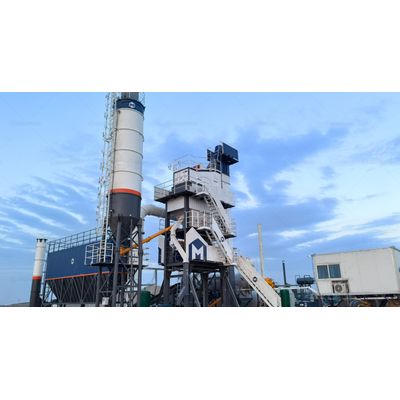
Ensuring Compatibility of Intelligent Modules in Asphalt Batch Plants
As industrial IoT and automatic control technologies mature, verifying the compatibility of intelligent modules in an asphalt batch plant for sale with the existing control systems of asphalt drum mixing plants becomes crucial. This compatibility is essential for supporting collaborative operation and enabling seamless technical upgrades. In this article, we will outline how contractors can effectively assess compatibility and make informed decisions regarding their equipment investments.
Understanding the Role of Intelligent Modules
Intelligent modules in an asphalt batch plant serve as the backbone of modern production, allowing for enhanced control, monitoring, and automation. These modules leverage data analytics, real-time monitoring, and automated adjustments to optimize asphalt production processes. With the increasing complexity of production demands, integrating intelligent modules becomes more critical.
For contractors, understanding the capabilities of these intelligent modules is the first step in assessing compatibility with existing systems. Knowledge of how these modules function helps in identifying potential integration points with the control systems of asphalt drum mixing plants, which have traditionally operated with different methodologies.
Assessing Existing Control Systems
To verify compatibility, contractors must first understand the architecture and functionalities of their existing control systems in the asphalt drum mixing plant. This involves evaluating the hardware and software components currently in use, as well as their communication protocols. Since these systems may vary in terms of responsiveness and data handling capabilities, a thorough assessment is key.
Contractors should consider the following aspects of their existing control systems:
- Communication Protocols: Determine if the control systems are based on common standards such as MODBUS, OPC UA, or proprietary protocols.
- Data Exchange Capabilities: Evaluate the systems' ability to exchange data seamlessly with intelligent modules in the asphalt batch plant.
- Scalability: Assess whether the existing systems can accommodate future upgrades and incorporate new technologies without significant overhauls.
A clear understanding of these elements will facilitate better decision-making when integrating intelligent modules with existing systems.
Verifying Compatibility through Testing
Once the existing control systems' capabilities are understood, the next step is to verify compatibility through rigorous testing. This testing should focus on several key areas:
- Data Exchange Tests: Run simulations to ensure that the intelligent modules in the asphalt batch plant can effectively communicate with the asphalt drum mixing plant's control systems. This should include checking for data integrity, latency, and error handling during real-time operations.
- Functional Tests: Evaluate how well the intelligent modules manage production tasks in conjunction with the drum mixing plant's operations. This might include scenarios such as load balancing, monitoring temperature fluctuations, and ensuring consistent asphalt quality throughout production.
- Interoperability Tests: Analyze whether the various control systems work together efficiently, sharing information and responding to commands without delays. This ensures a high degree of collaboration between the two plant types, which is crucial for optimizing overall production processes.
Through comprehensive testing, contractors can identify any compatibility issues and address them before full-scale implementation.
Planning for Seamless Technical Upgrades
Finally, successful integration of intelligent modules into existing control systems should include a roadmap for ongoing technical upgrades. As technology evolves, the ability to seamlessly incorporate new features and improvements is vital for maintaining competitive advantage.
Contractors should consider the following when planning for future upgrades:
- Modular Design: Opt for intelligent modules that feature a modular design, allowing easy replacement or upgrading of individual components without disrupting the entire system.
- Regular Training and Support: Ensure that staff are trained to handle new technologies and updates effectively. Providing ongoing training helps in maintaining operational efficiency as upgrades occur.
- Partnerships with Technology Providers: Engage with technology providers to stay updated on the latest advancements in IoT and automation. This partnership can facilitate easier implementation of new technologies in both asphalt batch and drum mixing plants.
Conclusion
In conclusion, as industrial IoT and automatic control technologies continue to advance, verifying whether the intelligent modules of an asphalt batch plant for sale are compatible with the existing control systems of asphalt drum mixing plants is essential for efficient operation. By understanding the role of intelligent modules, assessing existing systems, conducting thorough testing, and planning for technical upgrades, contractors can ensure seamless integration. This strategic approach not only enhances productivity but also positions companies to adapt to future technological advancements in asphalt production.