


- Home
- Companies
- Aimix Group Co., Ltd
- Articles
- Environmental Considerations for ...
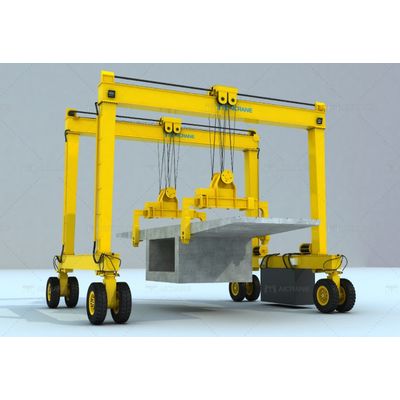
Environmental Considerations for Rubber-Tired Gantry Cranes
In an era where sustainability and environmental consciousness are at the forefront of industrial decision-making, the adoption of eco-friendly technologies becomes paramount. Rubber-tired gantry cranes (RTGs), commonly used in container terminals for efficient cargo handling, are no exception. This article explores the environmental considerations associated with rubber-tired gantry cranes and the strides the industry is making to minimize their ecological footprint.
Power Source and Energy Efficiency:
One of the primary environmental considerations for rubber-tired gantry cranes is the source of power. Traditionally, these cranes have been powered by diesel engines, contributing to air pollution and greenhouse gas emissions. However, a notable shift toward electrically powered RTGs has been observed.
Electric RTGs: Electrically powered RTGs, often referred to as eRTGs, are equipped with an electric drive system. These rubber tire cranes draw power from the electrical grid, which can be sourced from renewable energy. This transition reduces emissions at the point of operation, especially in areas where the grid is powered by clean energy sources.
Hybrid Systems: Some RTGs utilize hybrid systems that combine traditional diesel engines with electric systems. This hybrid approach allows for greater flexibility, as the crane can switch between power sources based on operational needs, optimizing fuel consumption and emissions.
Emission Reduction Technologies:
For diesel-powered RTGs, emission reduction technologies play a crucial role in mitigating their environmental impact. Manufacturers have been implementing technologies to meet stringent emission standards and improve overall fuel efficiency.
Tier 4 Engines: Compliance with Tier 4 emission standards involves the use of advanced engine technologies to reduce nitrogen oxide (NOx) and particulate matter emissions. Tier 4 engines are designed to be more fuel-efficient and environmentally friendly compared to their predecessors.
Selective Catalytic Reduction (SCR): SCR systems are employed to further reduce NOx emissions from diesel engines. By injecting a urea-based solution into the exhaust stream, SCR technology converts NOx into nitrogen and water vapor, resulting in cleaner emissions.
Noise Pollution:
Beyond air quality considerations, the environmental impact of rubber-tired gantry cranes extends to noise pollution. These cranes operate in close proximity to residential areas and can contribute to noise disturbances. Efforts to minimize noise pollution include:
Noise-Reducing Technologies: Manufacturers are developing and implementing noise-reducing technologies in the design of rubber-tired gantry cranes. This includes the use of sound-absorbing materials, improved insulation, and innovative engineering solutions to dampen operational noise.
Operational Planning: Terminal operators can implement operational planning strategies to minimize the impact of noise on surrounding communities. This may involve scheduling maintenance and other noisy activities during non-peak hours or utilizing alternative, quieter equipment when feasible.
Material Selection and Recycling:
The materials used in the construction and maintenance of rubber-tired gantry cranes can have environmental implications. Sustainable material choices and recycling practices contribute to reducing the overall ecological footprint of these machines.
Recyclability: Manufacturers are increasingly focusing on using materials that are easily recyclable at the end of the crane's lifecycle. This includes metals, plastics, and other components that can be repurposed or recycled, reducing the amount of waste sent to landfills.
Lifecycle Assessment: Conducting a comprehensive lifecycle assessment helps identify areas where improvements can be made in terms of material selection, manufacturing processes, and end-of-life disposal. This holistic approach ensures that environmental considerations are integrated into every phase of the crane's existence.
Operational Efficiency and Automation:
Another aspect of environmental consideration for rubber-tired gantry cranes involves their operational efficiency. Optimizing operations through automation and smart technologies can lead to reduced energy consumption and lower environmental impact.
Automation Technologies: The integration of automation technologies allows for precise and efficient container handling. Automated systems can optimize the movement of containers, reducing the energy required for each operation and minimizing idle times.
Data Analytics: Leveraging data analytics can provide insights into operational patterns, allowing terminal operators to identify areas for improvement. This may include optimizing travel routes, minimizing unnecessary movements, and implementing energy-efficient strategies.
Green Certifications and Industry Standards:
The environmental considerations for rubber-tired gantry cranes align with broader efforts within the industry to establish green certifications and sustainability standards.
ISO 14001 Certification: ISO 14001 is an international standard for environmental management systems. Obtaining this certification indicates a commitment to minimizing environmental impact, including factors such as energy use, emissions, and waste management.
EcoPorts Certification: The EcoPorts program, initiated by the European Sea Ports Organization (ESPO), encourages the adoption of environmental best practices in ports. Terminal operators utilizing environmentally friendly technologies, including RTGs, can pursue EcoPorts certification.
Conclusion:
As the global community intensifies its focus on sustainable practices, the environmental considerations for rubber-tired gantry cranes are gaining prominence. The industry's shift towards electric-powered RTGs, emission reduction technologies, noise mitigation strategies, sustainable materials, operational efficiency, and adherence to green certifications collectively contribute to minimizing the ecological impact of these essential machines. As technology continues to advance, the trajectory toward greener and more environmentally friendly rubber-tired gantry cranes is set to continue, ensuring a more sustainable future for the shipping and logistics sectors.