

- Home
- Companies
- Aimix Group Co., Ltd
- Articles
- Environmental Considerations When ...
Environmental Considerations When Choosing Container Gantry Cranes
When it comes to container handling, gantry cranes play a critical role in enhancing the efficiency and productivity of port terminals and container yards. However, as global awareness of environmental issues grows, the need to consider environmental factors when choosing container gantry cranes has become more significant than ever. This article delves into the key environmental considerations that should guide the selection of container gantry cranes, highlighting the importance of sustainability in modern port operations.
1. Energy Efficiency
One of the primary environmental concerns when selecting a container gantry crane is energy consumption. Traditional diesel-powered cranes consume large amounts of fuel, contributing to greenhouse gas emissions and air pollution. Modern advancements have led to the development of electric gantry cranes, which significantly reduce energy consumption and carbon footprints.
Hybrid and Electric Options: Electric Rubber-Tyred Gantry (e-RTG) cranes and hybrid models are increasingly replacing diesel-powered cranes. These cranes not only reduce fuel consumption but also lower operational costs. Electric cranes powered by renewable energy sources can offer even greater sustainability.
Regenerative Energy Systems: Many modern cranes are equipped with regenerative braking systems that capture and reuse energy during operations such as lowering containers. This further enhances energy efficiency and reduces overall power consumption.
2. Emission Control and Air Quality
Air quality in ports and surrounding areas is a significant concern, particularly with diesel-powered cranes that emit high levels of nitrogen oxides (NOx) and particulate matter (PM). Choosing cranes that minimize emissions is crucial for maintaining healthy air quality standards.
Zero-Emission Cranes: For ports looking to reduce their environmental impact, zero-emission cranes like those powered by electricity or hydrogen fuel cells are ideal. These cranes do not emit harmful pollutants, helping ports comply with stricter air quality regulations.
Emission Control Technologies: Diesel-powered cranes should be equipped with advanced emission control technologies such as Selective Catalytic Reduction (SCR) and Diesel Particulate Filters (DPFs). These systems help to significantly reduce NOx and PM emissions, mitigating their impact on air quality.
3. Noise Pollution Reduction
Ports and container yards often operate in close proximity to residential areas, making noise pollution a critical environmental consideration. Excessive noise from crane operations can impact local communities and wildlife.
Low-Noise Equipment: Opting for cranes designed with low-noise motors, anti-noise barriers, and rubber-tired wheels can help minimize the noise generated during operations. Electric rail mounted cranes tend to be quieter compared to diesel-powered counterparts.
Advanced Monitoring and Control Systems: Noise reduction can also be achieved through the use of modern monitoring and control systems. These systems allow operators to optimize crane operations to reduce unnecessary idling and abrupt movements that contribute to noise pollution.
4. Space and Land Use Efficiency
Efficient land use is another important environmental consideration, especially in densely populated urban areas where ports are often located. Choosing the right type of gantry crane can help optimize space and reduce the environmental footprint of port operations.
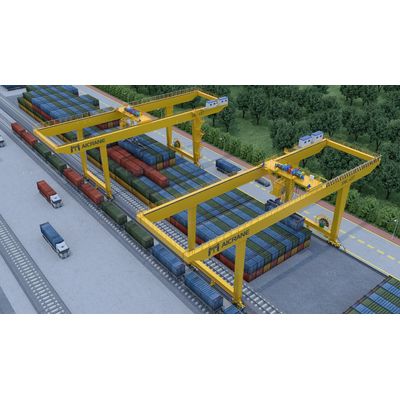
Rail-Mounted Gantry (RMG) Cranes: RMG cranes are fixed to a specific track layout, making them highly suitable for densely packed container yards. They allow for better space utilization and can handle high volumes of containers with minimal land requirements.
Compact Crane Design: Modern gantry cranes are available in more compact designs that provide the same or even greater lifting capacity. This compactness not only reduces the space needed but also allows for the integration of green spaces within port layouts.
5. Sustainable Materials and Recycling
The choice of materials used in the construction of container gantry cranes can have long-term environmental implications. Sustainable materials and recycling practices can greatly reduce the environmental impact of crane production and decommissioning.
Recyclable and Durable Materials: Using high-quality, recyclable materials like steel and aluminum in the construction of gantry cranes ensures that the cranes have a longer lifespan and lower maintenance costs. These materials can also be recycled at the end of the crane's life, reducing waste.
Waste Management During Installation and Maintenance: Proper waste management protocols during crane installation, maintenance, and dismantling help minimize environmental impact. This includes recycling used parts and responsibly disposing of hazardous materials.
6. Integration with Green Port Initiatives
Many ports are adopting green port initiatives aimed at reducing the overall environmental impact of port operations. Choosing container gantry cranes that align with these initiatives is essential for sustainability.
Smart Crane Systems: Modern smart cranes integrate with port management systems to optimize operations, reduce idle time, and minimize energy consumption. This integration supports broader green port strategies, such as reducing port-wide emissions and enhancing operational efficiency.
Renewable Energy Integration: Ports investing in renewable energy sources, such as solar or wind power, can pair these with electric cranes to create a more sustainable operation. Crane systems designed to be compatible with renewable energy sources enhance the environmental performance of the entire port.
7. Water and Marine Ecosystem Protection
Ports and container yards located near marine environments need to consider the potential impact of their operations on local water quality and marine ecosystems. The choice of cranes and their maintenance can influence these factors.
Hydraulic Fluid Management: Gantry cranes that use hydraulic systems must be equipped with effective fluid containment solutions to prevent leaks that can contaminate nearby waters. Biodegradable hydraulic fluids are also a more eco-friendly option.
Environmental Spill Kits and Monitoring Systems: Cranes should be fitted with environmental spill kits and real-time monitoring systems to quickly detect and respond to potential leaks or spills, protecting the surrounding marine environment.
8. Lifecycle Cost and Environmental Impact Analysis
Finally, conducting a comprehensive lifecycle cost and environmental impact analysis is vital for selecting the most sustainable container gantry crane. This involves assessing not just the initial purchase cost but also the long-term environmental costs associated with fuel or energy consumption, maintenance, emissions, and end-of-life recycling.
Total Cost of Ownership (TCO): Ports should consider the TCO when choosing cranes, factoring in environmental costs such as emissions penalties, energy consumption, and potential future regulations.
Environmental Impact Assessments (EIA): Performing EIAs for new crane installations helps port operators understand and mitigate potential environmental risks, ensuring compliance with local and international environmental standards.
Conclusion
Choosing the right container gantry crane involves more than just considering operational efficiency and cost. Environmental considerations are increasingly shaping the decision-making process for port operators, driven by stricter regulations and a commitment to sustainability. By focusing on energy efficiency, emission controls, noise reduction, sustainable materials, and integration with green port initiatives, ports can make informed decisions that support both economic growth and environmental stewardship. As the maritime industry moves towards greener practices, the adoption of environmentally friendly gantry cranes will be a critical step in achieving a sustainable future.