


- Home
- Companies
- Aimix Group Co., Ltd
- Articles
- Factors Infleuncing Straddle Carrier ...
Factors Infleuncing Straddle Carrier Price
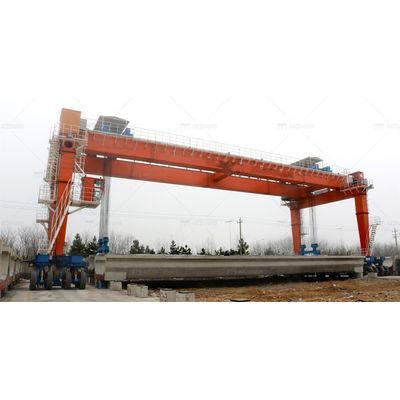
When considering the purchase of a straddle carrier, it's crucial to understand the various factors that can influence its price. Straddle carriers are specialized equipment used for handling containers and heavy loads in ports, terminals, logistics centers, and industrial facilities. The price of a straddle carrier can vary significantly depending on several key factors related to its design, specifications, features, technology, customization options, market conditions, and more. In this comprehensive guide, we will delve into the factors that influence straddle carrier pricing to help you make informed decisions.
Lifting Capacity and Size
One of the primary factors influencing the price of a straddle carrier is its lifting capacity and size. Straddle carriers come in various models with different lifting capacities, typically ranging from 30 tons to 100 tons or more. Larger straddle carriers capable of handling heavier loads command higher prices due to their robust construction, powerful engines, reinforced structures, and larger hydraulic systems. Similarly, carriers with extended reach or customized dimensions may also have higher price tags.
Technology and Automation
The level of technology and automation features integrated into a straddle carrier can significantly impact the straddle carrier price. Modern straddle carriers often come equipped with advanced technology such as GPS navigation systems, telematics, remote monitoring and diagnostics, automation controls, anti-collision sensors, and energy-efficient components. These technological advancements enhance operational efficiency, safety, and productivity but can contribute to higher equipment costs.
Customization and Special Features
Customization options and special features tailored to specific operational requirements can add to the price of a straddle carrier. Customers may request additional features such as adjustable spreaders, telescopic booms, tilting capabilities, specialized attachments for handling different cargo types, ergonomic operator cabins, climate control systems, and enhanced safety features. Each customization or added feature incurs additional engineering, design, and manufacturing costs, impacting the overall price.
Quality and Durability
The quality, durability, and reliability of a straddle carrier can influence its price. High-quality carriers made from premium materials, durable components, and reliable systems often come at a higher initial cost but offer long-term benefits in terms of performance, lifespan, and minimal maintenance requirements. Customers may prioritize investing in quality equipment to avoid frequent breakdowns, repairs, and downtime costs associated with lower-quality alternatives.
Manufacturer and Brand Reputation
The reputation, experience, and track record of the manufacturer or brand can also affect the price of a straddle carrier. Established manufacturers with a history of producing reliable, innovative, and high-performance carriers may command higher prices based on their brand value, customer trust, and reputation for delivering quality products and customer support. Customers may be willing to pay a premium for equipment from reputable brands known for their reliability and service.
Market Demand and Supply
Market dynamics such as supply and demand fluctuations, industry trends, economic conditions, and competitive factors can influence straddle carrier prices. During periods of high demand or limited supply, prices may increase due to increased competition, production costs, raw material prices, or currency fluctuations. Conversely, in a competitive market with ample supply, prices may be more competitive, and manufacturers may offer promotional pricing or discounts to attract customers.
Regulatory Compliance and Standards
Straddle carriers designed to meet stringent regulatory requirements, safety standards, environmental regulations, and industry certifications may have higher prices. Compliance with international standards such as ISO, OSHA, CE, and local regulations requires additional investments in design, testing, certification processes, and implementation of safety features, contributing to overall equipment costs.
Delivery, Installation, and Training
The cost of delivery, installation, commissioning, and operator training can also impact the total price of a straddle carrier. Customers may incur additional expenses for shipping, handling, crane services, site preparation, assembly, testing, calibration, and training programs conducted by the manufacturer or authorized dealers. Proper installation, setup, and operator training are essential for maximizing the performance, safety, and efficiency of the straddle carrier.
After-Sales Support and Service
The availability and quality of after-sales support, service agreements, spare parts availability, and technical assistance can influence the overall cost of owning a straddle carrier. Customers may prefer suppliers or manufacturers that offer comprehensive after-sales support, extended warranties, maintenance contracts, responsive technical support, and timely spare parts delivery to minimize downtime and ensure reliable equipment operation.
Operational Efficiency and Total Cost of Ownership
Ultimately, customers should consider the overall operational efficiency, productivity gains, and total cost of ownership (TCO) when evaluating straddle carrier prices. Investing in a higher-priced, but more efficient and reliable carrier may result in long-term cost savings, improved operational performance, reduced downtime, and enhanced return on investment (ROI) compared to lower-priced alternatives with higher maintenance costs and operational inefficiencies.
In conclusion, several factors influence the price of straddle carriers, including lifting capacity, technology features, customization options, quality standards, brand reputation, market dynamics, regulatory compliance, delivery and installation costs, after-sales support, and TCO considerations. By carefully assessing these factors and balancing cost considerations with performance requirements and long-term value, customers can make informed decisions when purchasing straddle carriers that meet their operational needs, budget constraints, and productivity goals.