


- Home
- Companies
- Aimix Group Co., Ltd
- Articles
- Factors to Consider When Selecting a ...
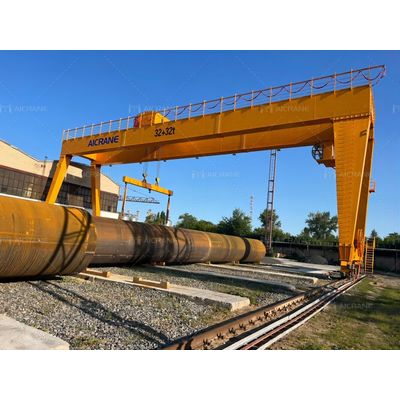
Factors to Consider When Selecting a Gantry Crane
Selecting the right gantry crane is a critical decision for businesses involved in material handling and industrial operations. With various types, sizes, and configurations available, choosing the most suitable gantry crane requires careful consideration of several factors. In this article, we explore the key factors that businesses should take into account when selecting a gantry crane to ensure optimal performance, safety, and efficiency.
Load Capacity
One of the primary factors to consider when selecting a gantry crane is its load capacity. Assessing the maximum weight of the loads to be lifted and moved is essential for determining the appropriate crane capacity. It's crucial to select a gantry crane with a load capacity that exceeds the heaviest load you anticipate handling to ensure safe and efficient operations.
Span and Height Requirements
The span and height requirements of your gantry crane depend on the layout of your facility and the specific tasks it needs to perform. Consider factors such as the distance between support legs, clearance height, and lifting height requirements when determining the appropriate span and height for your gantry crane. Choosing the right span and height ensures that the crane can effectively reach all areas where lifting is required without obstruction.
Operational Environment
The operational environment plays a significant role in determining the type of gantry crane(Козловой кран казахстан) that is suitable for your application. Consider factors such as indoor or outdoor use, exposure to weather conditions, temperature extremes, and potential hazards such as corrosive substances or explosive atmospheres. Selecting a gantry crane with appropriate weatherproofing, corrosion resistance, and safety features ensures reliable performance and longevity in your specific operating environment.
Mobility and Maneuverability
Depending on your application requirements, you may need a fixed or mobile gantry crane. Fixed gantry cranes are suitable for applications where lifting tasks are confined to a specific area, while mobile gantry cranes offer flexibility and versatility, allowing them to be easily moved and positioned as needed. Consider factors such as floor space availability, access to lifting locations, and the frequency of crane relocation when determining the mobility and maneuverability requirements of your gantry crane.
Power Source
Gantry cranes can be powered by various sources, including electricity, diesel, or pneumatic/hydraulic systems. The choice of power source depends on factors such as availability, cost, environmental impact, and operational requirements. Electric gantry cranes are popular for indoor applications due to their clean operation and precise control, while diesel-powered gantry cranes are preferred for outdoor use or remote locations where access to electricity may be limited.
Safety Features
Safety is paramount when selecting a gantry crane, and it's essential to choose a crane that is equipped with advanced safety features to protect both workers and equipment. Look for features such as overload protection systems, anti-collision sensors, emergency stop mechanisms, and operator safety devices to minimize the risk of accidents and ensure compliance with safety regulations.
Maintenance Requirements
Another crucial factor to consider when selecting a gantry crane is its maintenance requirements. Different types of gantry cranes have varying maintenance needs, ranging from routine inspections and lubrication to more extensive servicing and repairs. Consider factors such as accessibility for maintenance tasks, availability of spare parts, and the level of expertise required for maintenance and repairs. Choosing a gantry crane with minimal maintenance requirements can help reduce downtime and operating costs over the crane's lifespan.
Cost Considerations
Cost is an important factor to consider when selecting a gantry crane, as it involves not only the initial purchase price but also ongoing operating costs and potential maintenance expenses. Compare the upfront costs of different gantry crane options, taking into account factors such as load capacity, span and height requirements, power source, and safety features. Additionally, consider the long-term cost implications, including energy consumption, maintenance, and potential productivity gains. While it may be tempting to opt for the cheapest option upfront, investing in a higher-quality gantry crane with lower operating costs and higher reliability can yield greater returns in the long run.
In conclusion, selecting the right gantry crane requires careful consideration of factors such as load capacity, span and height requirements, operational environment, mobility and maneuverability, power source, and safety features. By taking these factors into account and choosing a gantry crane that meets your specific application needs, you can ensure optimal performance, safety, and efficiency in your material handling operations. Investing time and effort in selecting the right gantry crane upfront will pay off in the long run by enhancing productivity, minimizing downtime, and ensuring a safe working environment for your employees.