

- Home
- Companies
- Aimix Group Co., Ltd
- Articles
- Finding a High-Quality 30 Ton Gantry ...
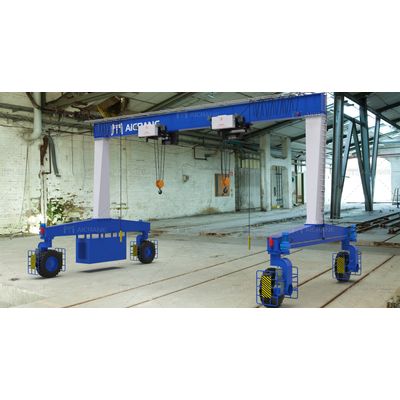
Finding a High-Quality 30 Ton Gantry Crane for Sale
Investing in a 30 ton gantry crane is a significant decision for any industrial or construction operation. To ensure the success and safety of your lifting tasks, it's crucial to find a high-quality crane from a reputable supplier. In this comprehensive guide, we'll outline the steps and considerations involved in finding a good quality 30 ton gantry crane for sale, covering aspects such as supplier research, crane specifications, certifications, warranties, and customer support.
Research and Identify Reputable Suppliers
The first step in finding a high-quality 30 ton gantry crane is to research and identify reputable suppliers in the industry. Consider the following methods to locate potential suppliers:
Online research: Use search engines, industry directories, and online marketplaces to find suppliers of gantry cranes. Look for suppliers with a strong online presence, positive reviews, and a history of providing quality products and services.
Industry referrals: Seek recommendations from colleagues, industry peers, or professional networks who have experience with purchasing gantry cranes. Referrals from trusted sources can help narrow down your options and provide valuable insights into supplier reliability and product quality.
Trade shows and exhibitions: Attend industry trade shows, exhibitions, and conferences where gantry crane manufacturers and suppliers showcase their products. This allows you to interact directly with suppliers, view crane demonstrations, and discuss your specific requirements in person.
Evaluate Crane Specifications and Features
Once you've identified potential suppliers, evaluate the specifications and features of their 30 ton gantry cranes to ensure they meet your requirements. Consider the following factors:
Lifting capacity: Verify that the crane's lifting capacity of 30 tons meets your operational needs and requirements. Ensure that the heavy duty crane is capable of safely lifting and moving heavy loads without exceeding its rated capacity.
Span and height: Determine the required span and lifting height of the gantry crane based on your facility layout, workspace dimensions, and lifting tasks. Choose a crane with adjustable height and span options to accommodate various load sizes and configurations.
Mobility and maneuverability: Assess the mobility and maneuverability of the gantry crane, including features such as travel speed, steering mechanisms, and control systems. Opt for a crane with smooth and precise movement capabilities to enhance productivity and efficiency.
Safety features: Prioritize gantry cranes equipped with advanced safety features, such as overload protection systems, emergency stop buttons, limit switches, and anti-collision devices. Safety should be a top priority to protect personnel, equipment, and assets during crane operation.
Durability and construction: Evaluate the materials, construction methods, and build quality of the gantry crane to ensure durability, reliability, and long-term performance. Choose a crane made from high-quality steel or aluminum components that can withstand heavy-duty use and harsh environmental conditions.
Verify Certifications and Compliance
Ensure that the 30 ton gantry crane and its components comply with relevant industry standards, regulations, and certifications. Look for the following certifications and compliance measures:
CE certification: Verify that the crane meets the requirements of the European Conformity (CE) directive for safety, health, and environmental protection standards. CE certification indicates that the crane has undergone testing and evaluation by authorized bodies to ensure compliance with applicable regulations.
ISO certification: Look for gantry crane suppliers that are ISO 9001 certified, indicating adherence to international quality management standards. ISO certification demonstrates a commitment to quality, consistency, and continuous improvement in manufacturing processes and product performance.
OSHA compliance: Ensure that the gantry crane meets the safety requirements and guidelines set forth by the Occupational Safety and Health Administration (OSHA) in the United States or equivalent regulatory bodies in other countries. OSHA compliance helps mitigate safety risks and liabilities associated with crane operation in industrial settings.
Inquire About Warranties and After-Sales Support
Before making a purchase decision, inquire about warranties, service agreements, and after-sales support provided by the gantry crane supplier. Consider the following factors:
Warranty coverage: Determine the duration and scope of the warranty offered for the gantry crane and its components. Look for suppliers that provide comprehensive warranties covering parts, labor, and repairs for an extended period, typically one to two years or more.
Service and maintenance agreements: Inquire about service and maintenance agreements offered by the supplier to ensure proper care and upkeep of the gantry crane over its lifespan. Look for suppliers that offer preventive maintenance programs, scheduled inspections, and on-site support services to minimize downtime and maximize crane reliability.
Spare parts availability: Verify the availability of spare parts and components for the gantry crane, both during the warranty period and beyond. Choose a supplier that maintains an inventory of critical spare parts and can provide timely replacements or repairs as needed to avoid prolonged downtime.
Request Price Quotations and Compare Offers
Finally, request price quotations from multiple suppliers and compare offers to ensure competitive pricing and value for money. Consider the following factors when evaluating price quotations:
Total cost of ownership: Look beyond the initial purchase price and consider the total cost of ownership over the crane's lifespan, including maintenance, repairs, spare parts, and operational expenses. Choose a supplier that offers competitive pricing and cost-effective solutions without compromising on quality or reliability.
Value-added services: Evaluate the value-added services offered by each supplier, such as installation assistance, training programs, technical support, and financing options. Choose a supplier that provides comprehensive support and assistance throughout the crane procurement process and beyond.
Customization options: Inquire about customization options and special features available for the gantry crane to tailor the equipment to your specific needs and preferences. Consider suppliers that can accommodate custom requests and provide personalized solutions to meet your unique requirements.
Finding a good quality 30 ton gantry crane for sale requires careful research, evaluation, and consideration of various factors,
including supplier reputation, crane specifications, certifications, warranties, and pricing. By following the steps outlined in this comprehensive guide, you can make an informed decision and select a gantry crane that meets your operational needs, safety requirements, and budget constraints. Invest time and effort in finding the right supplier and crane model to ensure long-term reliability, productivity, and success in your lifting operations.