


Five Features of Steel Frame Construction
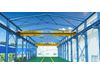
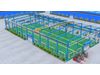
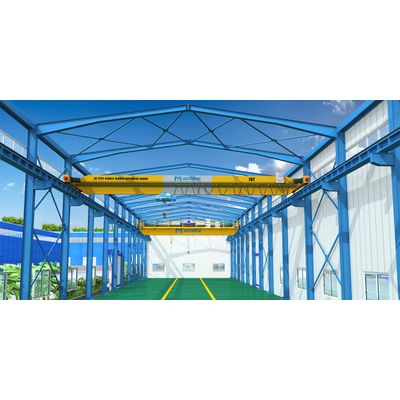
Steel frame construction is a widely utilized building method that offers a range of advantages, combining strength, durability, and versatility. Whether used in commercial, industrial, or residential projects, steel frame construction has become increasingly popular due to its structural integrity and adaptability to various design requirements. In this exploration of the subject, we will delve into five key features of steel frame construction that contribute to its prominence in the construction industry.
Strength and Structural Integrity
One of the defining features of steel frame construction is its exceptional strength and structural integrity. Steel is inherently robust, allowing for the creation of buildings that can withstand substantial loads and adverse weather conditions. The high strength-to-weight ratio of steel means that it can support large spans and heights without requiring excessive amounts of material.
Steel's consistency and predictability in terms of material properties make it a reliable choice for constructing buildings that need to endure heavy loads, such as warehouses, industrial facilities, and high-rise structures. This strength also contributes to the overall safety of the structure, providing resilience against external forces like earthquakes or strong winds.
Design Flexibility and Versatility
Steel frame construction offers architects and builders a high degree of design flexibility and versatility. The material's strength allows for the creation of expansive, open spaces without the need for numerous supporting columns or walls. This flexibility is particularly advantageous in commercial and industrial settings, where large, unobstructed spaces are often a requirement.
The versatility of steel extends to its ability to accommodate various architectural styles and design preferences. Whether constructing modern skyscrapers, sleek office buildings, or contemporary residential homes, steel frame construction provides the framework for diverse design possibilities. The adaptability of steel allows for the integration of both traditional and innovative architectural elements.
Speed and Efficiency of Construction
Steel frame construction is renowned for its efficiency and speed of assembly. The use of pre-fabricated steel components allows for a more streamlined construction process compared to traditional building methods. The off-site fabrication of steel elements, including beams, columns, and trusses, reduces on-site construction time and minimizes disruptions.
The quick assembly of steel components results in shorter construction timelines, making steel frame construction an attractive option for projects with time-sensitive requirements. This efficiency can lead to cost savings through reduced labor costs, accelerated project completion, and earlier occupancy or utilization of the constructed space.
Sustainability and Environmental Benefits
Steel frame construction aligns well with sustainable building practices, offering several environmental benefits. The recyclability of steel makes it an eco-friendly choice, as steel components can be recycled at the end of a building's life cycle without compromising their quality. This recyclability reduces the demand for new raw materials and minimizes the environmental impact associated with steel production.
Additionally, steel frame construction allows for efficient energy use throughout the building's life. The ability to incorporate insulation easily into steel structures contributes to energy efficiency, reducing heating and cooling costs. Steel's durability and resistance to decay or deterioration further enhance the long-term sustainability of structures built with this construction method.
Durability and Longevity
Durability is a hallmark feature of steel frame construction, contributing to the longevity of buildings constructed using this method. Steel is resistant to many environmental factors that can compromise the integrity of other building materials, such as rot, mold, termites, and decay. This resistance ensures that steel-framed structures maintain their structural strength and appearance over time.
The longevity of steel-framed buildings translates into reduced maintenance costs and an extended life cycle for the structure. Steel's resistance to warping, twisting, and shifting over time contributes to the overall stability and reliability of the building. This feature is particularly advantageous in regions with challenging climates, as steel frame construction provides resilience against harsh weather conditions.
In conclusion, steel frame construction stands out in the construction industry for its exceptional strength, design flexibility, efficiency, sustainability, and durability. As a building material, steel continues to shape the skylines of cities and meet the diverse needs of modern construction projects. Its attributes contribute not only to the structural integrity of buildings but also to the efficiency of the construction process and the overall sustainability of the built environment. Whether in towering skyscrapers, expansive industrial facilities, or contemporary residential homes, the features of steel frame construction make it a versatile and enduring choice in the construction landscape.