


- Home
- Companies
- Aimix Group Co., Ltd
- Articles
- Fixing an Overhead Crane 100 Ton
Fixing an Overhead Crane 100 Ton
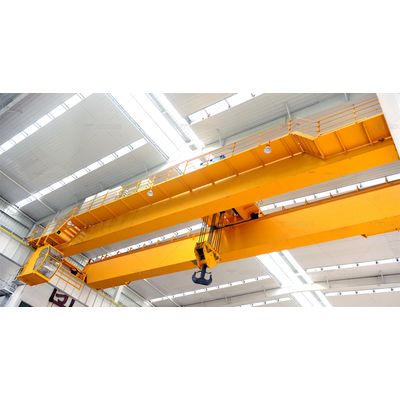
Fixing an overhead crane of 100 tons requires a systematic approach, technical expertise, and adherence to safety protocols to ensure the crane's optimal performance, reliability, and safety. Overhead cranes are essential equipment used in various industries such as manufacturing, construction, logistics, and warehouses for lifting and moving heavy loads. When a 100 ton overhead crane experiences issues or malfunctions, prompt and efficient repairs are crucial to minimize downtime and resume operations. In this comprehensive guide, we will explore the steps and procedures involved in fixing a 100 ton overhead crane.
Safety Precautions
Before starting any repair work, prioritize safety by following all relevant safety protocols, wearing appropriate personal protective equipment (PPE), and ensuring the crane is de-energized, locked out, and tagged out to prevent accidental activation or movement.
Identify the Issue
Begin by identifying the specific issue or malfunction affecting the overhead crane. Conduct a thorough visual inspection, listen for unusual sounds, and review any error codes or indicators on the control panel or diagnostic systems. Common issues may include electrical faults, mechanical failures, hydraulic leaks, worn-out components, or misalignments.
Consult Manufacturer Documentation
Refer to the manufacturer's documentation, technical manuals, and schematics for the 100 ton overhead crane to understand its components, wiring diagrams, operating principles, maintenance procedures, and troubleshooting guidelines. Use this information as a reference throughout the repair process.
Diagnostic Testing
Perform diagnostic testing using specialized tools, instruments, and equipment to pinpoint the root cause of the issue. Conduct electrical tests, continuity checks, load testing, motor inspections, hydraulic pressure tests, and structural integrity assessments as needed to identify faulty components or systems.
Component Replacement or Repair
Based on the diagnostic findings, proceed with replacing or repairing the faulty components or systems. This may involve replacing damaged wires, connectors, sensors, switches, relays, circuit breakers, contactors, motors, gears, brakes, or hydraulic cylinders. Use genuine replacement parts and follow manufacturer recommendations for compatibility and quality assurance.
Alignment and Calibration
After replacing components, ensure proper alignment, calibration, and synchronization of mechanical and electrical systems. Adjust motor alignments, tension cables, adjust brakes, calibrate limit switches, set travel limits, and fine-tune control settings to restore optimal performance and safety.
Electrical System Check
Conduct a comprehensive check of the overhead crane's electrical system, including power supply connections, voltage levels, phase balance, grounding, insulation resistance, and circuit protection devices. Verify that all electrical components, wiring, and connections are secure, properly insulated, and free from damage or corrosion.
Mechanical System Inspection
Inspect the mechanical components of the 100 ton overhead crane, such as rails, wheels, bearings, sheaves, hooks, ropes, chains, and structural members. Check for wear, misalignments, lubrication levels, signs of fatigue, and structural integrity. Make necessary adjustments, lubricate moving parts, and replace worn-out or damaged components.
Hydraulic System Testing
If the overhead crane has a hydraulic system, conduct testing and inspections of hydraulic pumps, valves, hoses, cylinders, seals, and fluid levels. Check for leaks, pressure fluctuations, hydraulic fluid contamination, and system responsiveness. Repair or replace faulty hydraulic components and ensure proper fluid levels and quality.
Functional Testing
After completing repairs and adjustments, perform functional testing of the 100 ton overhead crane to validate its performance, functionality, and safety. Test crane movements, load handling capabilities, emergency stop systems, safety features, alarms, and interlocks. Conduct load tests with gradually increasing loads to ensure stability and safety under operational conditions.
Documentation and Reporting
Document all repair activities, replacement parts, adjustments, tests, and inspections in a maintenance logbook or digital record. Include details such as date, time, technician's name, findings, actions taken, test results, and any recommendations for future maintenance or upgrades. Report any significant issues, safety concerns, or recurring problems to management for further evaluation and decision-making.
Training and Awareness
Provide training and awareness programs for crane operators, maintenance personnel, and staff involved in overhead crane operations. Educate them on safety protocols, equipment inspections, emergency procedures, and reporting of issues. Encourage regular inspections, preventive maintenance, and proactive troubleshooting to prevent future issues and ensure long-term reliability of the 100 ton overhead crane.
In conclusion, fixing a 100 ton overhead crane requires a methodical approach, technical expertise, and a focus on safety and compliance. By following the steps outlined in this guide, technicians and maintenance personnel can effectively diagnose, repair, and restore the functionality of the overhead crane, minimizing downtime, ensuring safety, and optimizing operational efficiency. Regular inspections, preventive maintenance, and ongoing training are essential for maintaining the reliability and performance of overhead cranes in industrial environments.