

Geomembrane Materials and Lifespan: Virgin HDPE, LLDPE, PVC, and Composite Options
Geomembranes are waterproof barrier materials derived from high-molecular-weight polymers, designed to meet project-specific containment and durability requirements. Polymer geomembranes are the dominant category in current practice, with asphalt geomembranes used in composite configurations where appropriate.
Geomembrane Types
- Polymer (Synthetic) Geomembranes: This category currently dominates the market due to superior physical and chemical properties.
- Asphalt Geomembranes: Typically composite materials that use asphalt as the impregnating binder and are bonded with geotextiles.
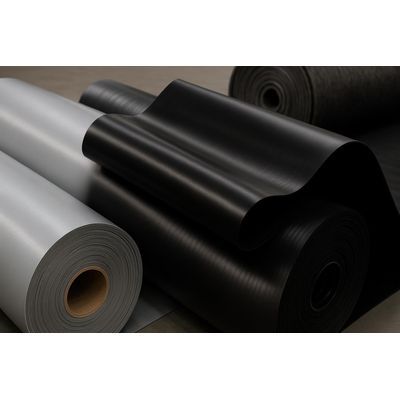
Common Polymer Geomembranes
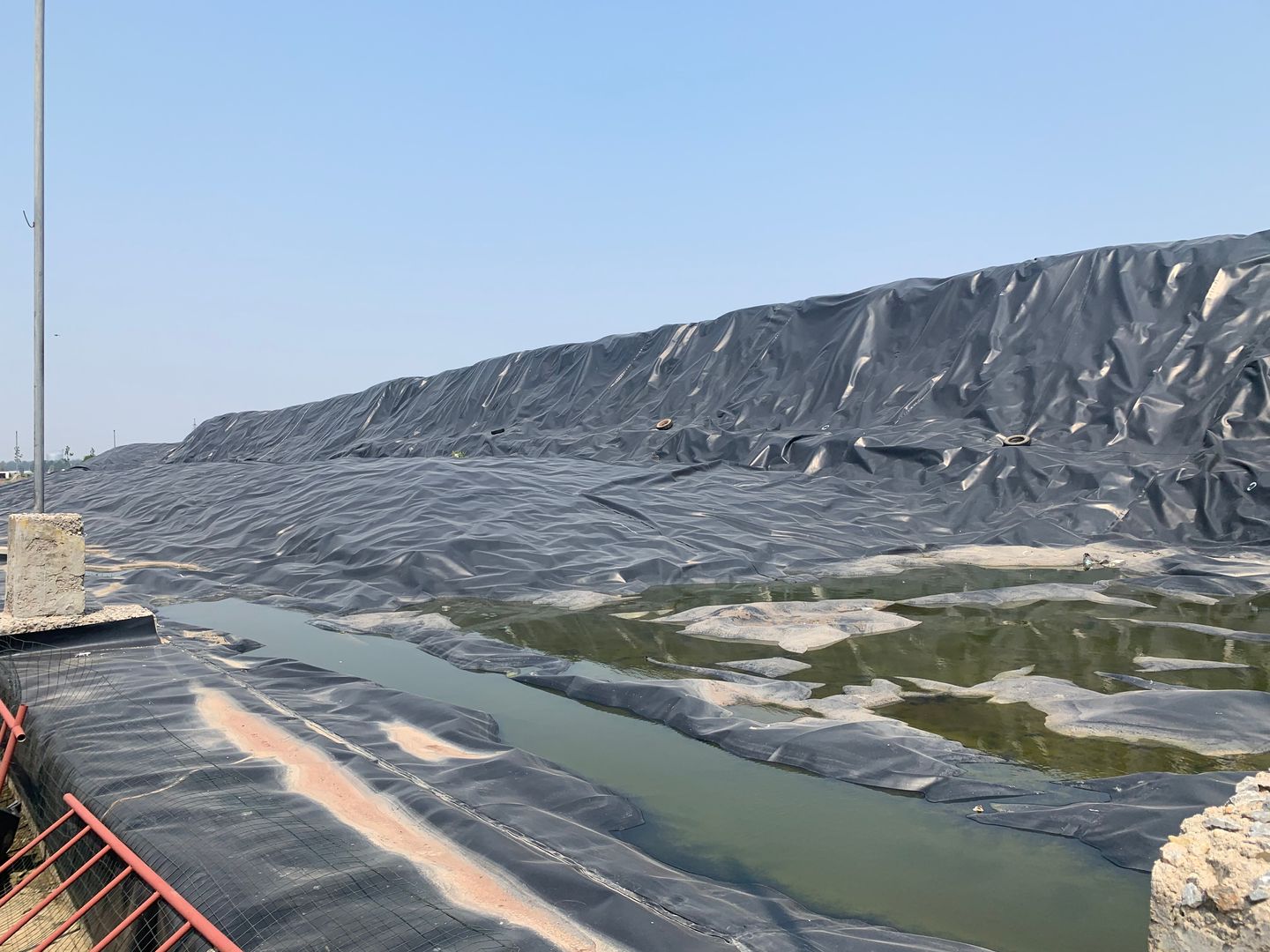
- HDPE Geomembranes: The mainstream geomembrane type. Primary composition is approximately 97.5% virgin high-density polyethylene resin, with about 2.5% additives such as carbon black, anti-aging agents, antioxidants, UV absorbers, and stabilizers. This formulation yields high mechanical strength and excellent chemical and UV resistance. Primary applications include environmental containment and large hydraulic projects such as landfills, hazardous waste facilities, tailings ponds, wastewater treatment, large reservoirs, and canals.
- LDPE Geomembranes: Made from low-density polyethylene; softer texture and high elongation. Used where flexibility is required, including canal lining, aquaculture ponds, small to medium dam reinforcement, and auxiliary waterproofing for subway tunnels.
- LLDPE Geomembranes: Softer and more flexible than HDPE while maintaining UV and puncture resistance. Suited for uneven settlement or complex shapes, such as tunnel linings and storage tank liners; effective in high-deformation projects and soft subgrades.
- PVC Geomembranes: Flexible polymer geomembranes with low specific gravity, high extensibility, good deformation adaptability, corrosion resistance, low-temperature resistance, and freeze–thaw resilience. Used for industrial and agricultural seepage control, including wastewater ponds, reservoirs, irrigation canals, ponds, and artificial lake liners.
- Composite Geomembranes: Utilize a primary impermeable plastic film bonded to a non-woven fabric (eg, PET-based or polyester fibers). The non-woven layer provides protection, increases tensile strength and puncture resistance, and raises the friction coefficient for stability on slopes.
Core Raw Materials
The quality of virgin polyethylene resin is a primary determinant of geomembrane performance. High-quality virgin resins, not recycled plastics, enable uniform distribution of functional additives such as carbon black and antioxidants, underpinning aging resistance and UV stability. EarthShield emphasizes 100% virgin HDPE as the resin basis to ensure consistent additive dispersion and long-term performance.
Geomembrane service life is specified by design and typically spans from 5 years to more than 100 years. Historical design lifespans have varied, with some standards in the former Soviet Union allowing 50-year service life for certain polyethylene geomembranes.
Theoretical Lifespan Under Varying Conditions
- Clean water environments: An operational lifespan of roughly 40 to 50 years for stabilized polyethylene films.
- Wastewater environments: Lifespans commonly range from 30 to 40 years.
- Extreme environments: 50 to 80 years can be achieved with specialized formulations and sufficient anti-aging additives, including high levels of carbon black and UV stabilizers.
- Maximum expectations: Some studies suggest that long-term stability for polypropylene materials, supported by 15+ years of field experience, may exceed 100 years.
Key Factors Influencing Geomembrane Lifespan
- Raw materials and manufacturing quality: The use of high-quality virgin resins and precise additive packages (antioxidants and UV stabilizers) underpin long service life. Inexpensive products based on recycled materials may exhibit lifespans of only months to a year. EarthShield states its geomembranes are manufactured with 100% virgin HDPE and carefully controlled dispersion of antioxidants and carbon black to optimize UV resistance and aging performance, supporting a 50-year service cycle in typical environments.
- Operating environment: UV exposure accelerates degradation; buried installation with protective cover reduces UV exposure; chemical exposure, extreme temperatures, and biodegradation also affect lifespan. Extreme UV or highly aggressive leachates can shorten an otherwise nominal 50-year design life.
EarthShield has developed customized anti-aging formulations, including a carbon black content of 2.5% and imported light stabilizers, with a formulation strategy designed to extend induction oxidation time beyond national standards. This supports long-term impermeability in challenging field applications such as landfills and tailings storage facilities.
Installation and Maintenance Considerations
Mechanical damage during installation and the integrity of seam welding directly affect impermeability and service life. EarthShield employs a film-forming process that delivers high tensile strength and flexibility, enabling better conformity to complex subgrades and reduced puncture risk. This translates to lower damage rates and easier weld repairs, contributing to long-term quality assurance for field installations.
The material composition and service life considerations should guide material selection for engineering projects. HDPE offers high strength and chemical resistance, while LLDPE provides deformation adaptability. The overarching guarantee of long-term anti-seepage performance rests on using premium virgin resins with a scientifically formulated anti-aging additive system. This approach underpins EarthShield geomembranes and supports reliable protection for environmental containment and hydraulic projects.
Original: https://www.earthshields.com/what-material-is-geomembrane-made-from-lifespan/