


- Home
- Companies
- Aimix Group Co., Ltd
- Articles
- How Aggregate Plants Can Become ...
How Aggregate Plants Can Become Important Nodes in the Latin American Green Building Materials Supply Chain
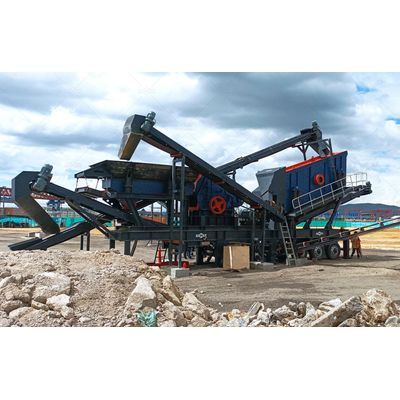
Latin America's construction industry is undergoing a profound transformation as sustainability standards tighten and green building certification becomes increasingly important. From LEED-certified office towers in São Paulo to EDGE-rated affordable housing in Mexico City, developers are seeking construction materials with verified environmental credentials. This shift creates unprecedented opportunities for aggregate producers who position themselves as suppliers of sustainable materials. By adopting environmentally responsible practices and obtaining appropriate certifications, a well-designed aggregate crusher plant(planta de trituración de agregados) can transform from a commodity supplier into an essential node in the green building materials supply chain. This transition not only opens new markets but also commands premium pricing for verified sustainable products.
Understanding the Green Building Materials Market
The demand for sustainable construction materials in Latin America has grown exponentially as both government procurement policies and private sector sustainability commitments drive market transformation.
Certification Systems Driving Demand
Green building certification systems such as LEED, EDGE, and BREEAM assign significant value to materials with verified environmental attributes. These systems reward projects for using materials sourced from responsible suppliers, creating market preference for aggregates with documented sustainability credentials. An aggregate crusher plant that achieves relevant certifications gains preferred supplier status for certified projects throughout the region.
Corporate Sustainability Commitments
Major construction firms and developers throughout Latin America have announced ambitious sustainability targets. These commitments cascade through supply chains as companies seek suppliers who can help them meet reporting requirements and environmental goals. A mobile stone crusher plant(planta de trituración móvil) operator who can provide environmental product declarations and verified emissions data becomes a valuable partner rather than a interchangeable commodity supplier.
Environmental Improvements in Crushing Operations
Transforming an aggregate operation into a sustainable supply chain node requires fundamental improvements in environmental performance.
Dust and Emission Control Systems
Visible dust emissions represent the most obvious environmental impact of crushing operations. Modern aggregate crusher plant designs incorporate multiple levels of dust control, from water spray systems at crusher inlets to enclosed transfer points and covered stockpiles. These systems not only improve community relations but also reduce material loss and demonstrate environmental responsibility to green building customers.
Noise Reduction Technologies
Excessive noise from crushing operations affects both workers and neighboring communities. Enclosing primary crushers, installing sound-dampening materials on conveyors, and selecting quieter equipment all contribute to reduced noise footprints. When evaluating a stone crusher(chancadoras de piedra) for purchase, operators targeting green building markets should prioritize models with superior acoustic performance.
Water Management and Recycling
Sustainable operations minimize freshwater consumption and eliminate contaminated discharge. Closed-loop water systems that capture and recycle process water demonstrate environmental stewardship while reducing operating costs. An aggregate crusher plant with zero liquid discharge capabilities can document this achievement for green building certification submissions.
Energy Efficiency and Carbon Footprint Reduction
Energy consumption directly affects both operating costs and environmental credentials.
Equipment Selection for Efficiency
Modern crushing equipment offers significant efficiency improvements over older models. Variable frequency drives, optimized crushing chambers, and high-efficiency motors all reduce energy consumption per ton of production. When comparing mobile stone crusher plant options, operators should evaluate energy efficiency data alongside traditional metrics.
Renewable Energy Integration
Installing solar arrays or wind turbines to power crushing operations dramatically improves environmental credentials. Even partial renewable energy supply allows operators to document reduced carbon footprints for green building customers. Some Latin American aggregate producers have achieved carbon-neutral status through combined efficiency improvements and renewable energy investments.
Transportation Emissions Reduction
The carbon footprint of delivered aggregates includes transportation emissions. Strategically located aggregate crusher plant operations reduce haul distances to major markets, lowering overall supply chain emissions. This advantage becomes quantifiable when serving green building projects seeking to minimize embodied carbon.
Waste Reduction and Circular Economy Practices
Sustainable aggregate operations embrace principles of waste minimization and material recovery.
Fines and Byproduct Utilization
Traditional operations often discard crusher fines as waste. Innovative operators find markets for these materials in agricultural applications, manufactured soils, or as feedstock for other industries. A stone crusher that produces minimal waste streams can document higher material utilization rates for sustainability reporting.
Construction and Demolition Material Processing
Integrating recycled concrete and asphalt processing into aggregate operations creates new revenue streams while serving circular economy objectives. Mobile stone crusher plant configurations that can handle both virgin and recycled materials provide flexibility to participate in emerging recycling markets throughout Latin America.
Documentation and Verification Requirements
Participation in green building supply chains requires credible documentation of environmental performance.
Environmental Product Declarations
Environmental Product Declarations provide standardized, verified information about a product's environmental impacts throughout its life cycle. Developing EPDs for aggregates requires investment in data collection and third-party verification but enables participation in certified green building projects that require such documentation.
Chain of Custody Certification
For operations supplying materials to projects seeking specific certifications, chain of custody verification ensures that claimed sustainable materials actually reach certified projects. An aggregate crusher plant with certified chain of custody can command premium pricing from developers needing verified sustainable materials.
Life Cycle Assessment Capabilities
Understanding the full environmental impacts of aggregate production requires life cycle assessment methodology. Operators who invest in LCA capabilities can identify improvement opportunities and provide customers with comprehensive environmental data supporting their own sustainability reporting.
Case Studies in Sustainable Aggregate Production
Latin American operations demonstrate the viability of sustainable aggregate production.
Brazilian Recycled Aggregate Operation
A São Paulo-area operation processes construction and demolition waste into certified aggregates for green building projects. Their mobile stone crusher plant configuration allows them to locate at demolition sites, reducing transportation emissions while producing materials that meet rigorous quality standards. The operation supplies multiple LEED-certified projects annually.
Chilean Carbon-Neutral Quarry
A Chilean operation achieved carbon-neutral certification through a combination of energy efficiency improvements, renewable energy installation, and verified carbon offset purchases. Their stone crusher fleet includes modern, efficient equipment selected specifically for environmental performance. The operation now serves mining companies with their own sustainability commitments.
Colombian Water-Positive Operation
A Colombian aggregate crusher plant in a water-stressed region implemented comprehensive water management systems that capture and treat more water than the operation consumes. This water-positive status, verified by third-party audit, provides compelling sustainability credentials for customers seeking to minimize their water footprint.
Market Positioning for Sustainable Aggregates
Successfully positioning as a green building supply chain node requires strategic marketing alongside operational improvements.
Developing Sustainability Messaging
Operators must translate technical environmental improvements into compelling value propositions for customers. Clear communication about emissions reductions, water management, and circular economy practices helps differentiate sustainable aggregates in competitive markets.
Building Relationships with Green Builders
Direct engagement with developers, contractors, and architects focused on sustainability creates preferred supplier relationships. Participating in green building councils and industry sustainability initiatives demonstrates commitment beyond minimum requirements.
Pricing Strategies for Verified Materials
Sustainable aggregates with verified environmental credentials command premium pricing in green building markets. Understanding appropriate pricing strategies requires analysis of customer value perceptions and competitive positioning.
Strategic Positioning for Long-Term Success
The transition from commodity supplier to essential green building supply chain node requires sustained commitment to environmental improvement, documentation, and market development. Aggregate producers who make this transition position themselves for long-term success as Latin America's construction industry continues its sustainability transformation. By investing in aggregate crusher plant upgrades that reduce environmental impacts, developing mobile stone crusher plant capabilities that support circular economy objectives, and selecting stone crusher equipment optimized for efficiency and low emissions, operators can meet the rigorous requirements of green building certification systems. The result is access to premium markets, reduced regulatory risk, and enhanced reputation that supports continued growth. As sustainability becomes increasingly central to construction throughout Latin America, aggregate operations that embrace this evolution will thrive while those that resist will find themselves increasingly marginalized. The choice facing aggregate producers is clear: evolve from commodity supplier to sustainable supply chain partner, or watch as competitors capture the growing green building market.