


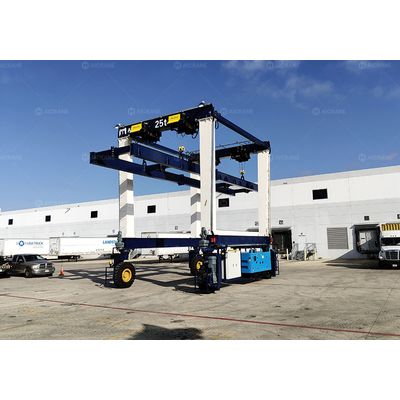
How Digital Monitoring Reduces Rubber Tyred Gantry Crane Operating Costs
Rubber Tyred Gantry (RTG) cranes are indispensable in modern container terminals, ports, and logistics hubs. They are responsible for moving heavy containers, optimizing yard space, and improving operational efficiency. While RTG cranes are highly effective, their operating costs can be substantial due to fuel consumption, maintenance, downtime, and labor requirements. However, the integration of digital monitoring systems has emerged as a transformative solution to reduce these costs, increase efficiency, and extend equipment life. This article explores how digital monitoring impacts the operation of RTG cranes and helps operators optimize overall expenses.
Understanding Digital Monitoring for RTG Cranes
Digital monitoring systems refer to the use of sensors, IoT devices, software platforms, and analytics tools to continuously track the performance and condition of equipment. For rubber tired gantry crane for sale, these systems collect real-time data on various operational parameters, including:
- Engine performance and fuel consumption
- Hydraulic system pressure and temperature
- Crane position, speed, and acceleration
- Load weight and distribution
- Component wear and tear, such as tires, brakes, and hoists
- Environmental conditions affecting crane operations
This continuous flow of data is transmitted to cloud-based or on-premises software platforms where operators and maintenance teams can analyze trends, detect anomalies, and make data-driven decisions. The digitalization of crane monitoring enables a shift from reactive to proactive management, which is key to reducing operating costs.
Fuel Cost Reduction Through Digital Monitoring
Fuel is one of the largest contributors to RTG crane operating expenses. Traditional RTG operations often rely on operator experience to manage fuel consumption, which can lead to inefficiencies. Digital monitoring systems can significantly reduce fuel costs by:
- Tracking Fuel Consumption Patterns: Sensors monitor fuel usage in real-time and identify cranes or operators consuming above-average amounts.
- Optimizing Engine Performance: Digital systems provide alerts for irregular engine behavior, enabling maintenance before fuel efficiency drops.
- Idle Time Management: Excessive idling can waste fuel. Digital monitoring tracks idle periods and allows operators to enforce automatic shutdowns or operator training programs.
- Load Optimization: By measuring and logging the actual load weights, digital systems help operators plan movements more efficiently, avoiding unnecessary trips that consume additional fuel.
In practice, many container terminals have reported fuel savings of 10–15% after implementing digital monitoring systems for their RTG cranes. Over time, this leads to substantial cost reduction, especially for operations that involve multiple cranes running around the clock.
Predictive Maintenance Reduces Repair Costs
Maintenance is another significant operating expense for RTG cranes. Without proper monitoring, minor issues can escalate into costly repairs or even catastrophic failures. Digital monitoring enables predictive maintenance, which is a proactive approach to identify potential failures before they occur.
- Component Wear Tracking: Sensors monitor the condition of critical components such as wire ropes, brakes, and hoist motors. Alerts are generated when components approach the end of their service life.
- Reduced Unplanned Downtime: Unexpected crane breakdowns lead to expensive repairs and operational delays. Predictive maintenance schedules repairs during planned downtime, reducing disruption to terminal operations.
- Extended Equipment Life: By preventing excessive wear and optimizing maintenance schedules, digital monitoring can extend the lifespan of crane components, thereby reducing capital expenditure over time.
Predictive maintenance not only lowers direct repair costs but also contributes to indirect savings by minimizing downtime, maintaining operational efficiency, and avoiding penalties for delayed container handling.
Operational Efficiency Through Real-Time Monitoring
Digital monitoring systems provide RTG crane operators and supervisors with real-time operational insights that directly influence efficiency and cost reduction.
- Traffic and Yard Optimization: By integrating RTG monitoring data with yard management systems, operators can optimize crane routes, reduce congestion, and minimize unnecessary movements.
- Operator Performance Analysis: Monitoring systems track operator performance metrics such as speed, braking, and precision. Operators can be trained or guided to adopt more efficient operating habits, reducing wear and fuel consumption.
- Load Management: Digital monitoring ensures that RTG cranes are not overloaded, which can damage equipment and increase repair costs. Accurate load tracking also allows operators to maximize each movement safely, enhancing productivity.
The result is a more streamlined workflow where cranes operate efficiently, fuel consumption is minimized, and wear and tear on equipment is reduced. This operational efficiency translates into measurable cost savings.
Data-Driven Decision Making and Long-Term Planning
Digital monitoring systems accumulate vast amounts of operational data over time. Analyzing this data helps terminal managers make informed strategic decisions, further reducing operating costs.
- Fleet Management: By analyzing the performance of multiple RTG mobile gantry cranes, managers can allocate resources effectively, identify underperforming units, and make decisions about future investments.
- Maintenance Budget Optimization: Historical performance and maintenance data allow planners to predict future costs accurately, enabling better budget allocation.
- Energy Consumption Analysis: Long-term data can reveal opportunities to reduce electricity or fuel usage by optimizing operational schedules or investing in more energy-efficient equipment.
By leveraging data-driven insights, operators can transition from short-term reactive management to long-term strategic planning, which improves both financial and operational efficiency.
Safety Improvements Reduce Indirect Costs
Digital monitoring also enhances safety, which has a direct impact on operating costs. Unsafe operations can lead to accidents, injuries, equipment damage, and insurance claims.
- Alert Systems: Real-time monitoring can detect unsafe crane movements, overloads, or environmental hazards, alerting operators to take corrective action immediately.
- Compliance Documentation: Digital systems automatically log operational data, making it easier to comply with safety regulations and reduce penalties or fines.
- Training Support: Recorded operational data can be used to train operators, improving skills and reducing human error.
Safer operations not only protect employees but also prevent costly incidents, downtime, and repair expenses.
Implementation Considerations
To maximize the benefits of digital monitoring, operators should consider the following:
- Integration with Existing Systems: Ensure monitoring solutions are compatible with RTG crane control systems and terminal management software.
- Scalability: Choose systems that can handle multiple cranes and expand as the terminal grows.
- Data Analytics Capabilities: Advanced analytics and AI can provide predictive insights, trend analysis, and performance benchmarking.
- Remote Monitoring: Cloud-based systems allow managers to oversee crane operations in real-time, even off-site, improving responsiveness.
- Operator Training: For optimal results, operators must understand how to interpret monitoring data and adjust their operations accordingly.
Conclusion
Digital monitoring is revolutionizing the way Rubber Tyred Gantry cranes are operated and maintained. By providing real-time insights into fuel consumption, component health, operational efficiency, and safety, these systems help operators make data-driven decisions that reduce operating costs significantly. Fuel efficiency improves, predictive maintenance minimizes repair expenses, operational workflows are optimized, and safety is enhanced—all contributing to a lower total cost of ownership.
As container terminals face growing pressure to increase throughput while controlling costs, investing in digital monitoring for RTG cranes is not merely a technological upgrade—it is a strategic decision that can yield measurable savings, improve reliability, and enhance long-term operational performance.