


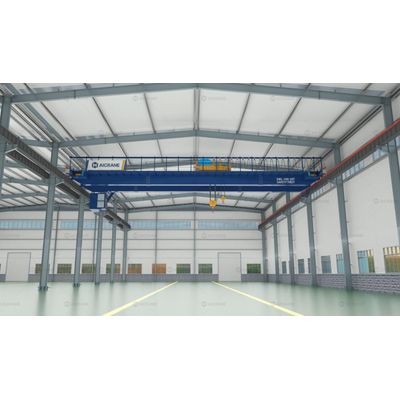
How Overhead Crane Design Impacts EPC Project Budgets
In Engineering, Procurement, and Construction (EPC) projects, overhead cranes are more than just tools for lifting and transporting materials—they are strategic assets that can significantly influence project timelines, safety standards, operational efficiency, and ultimately, project budgets. The design of overhead cranes plays a pivotal role in determining both initial capital expenditure and long-term operational costs. Understanding how various design choices affect EPC project budgets is essential for project planners, engineers, and financial controllers.
The Role of Overhead Cranes in EPC Projects
EPC projects, whether in steel manufacturing, power plants, chemical processing, or large-scale industrial construction, involve the movement of heavy equipment, structural components, and raw materials. Overhead cranes provide a reliable solution for these operations, offering vertical and horizontal material handling capabilities while minimizing labor requirements and enhancing safety.
The cost implications of overhead crane design can be direct or indirect. Direct costs include equipment purchase, installation, and commissioning, while indirect costs encompass maintenance, energy consumption, downtime, and safety-related liabilities. Even small design changes can ripple through the budget, affecting everything from structural requirements to project scheduling.
Key Design Factors Affecting EPC Budgets
1. Load Capacity and Span
One of the most critical aspects of crane design is its load capacity—the maximum weight the crane can safely lift. A higher capacity crane requires stronger materials, reinforced structural components, and more powerful hoisting systems. These factors increase the initial capital cost. Similarly, the crane’s span—the distance between the supporting rails or columns—affects both structural requirements and foundation costs. Longer spans may require heavier girders and stronger support structures, which directly increase material and construction costs.
In EPC projects where large and heavy components are common, underestimating the required load capacity or span can lead to project delays, costly redesigns, and additional labor. Conversely, over-specifying the crane can inflate upfront costs unnecessarily. Careful assessment of project requirements ensures the right balance between capacity and budget efficiency.
2. Single Girder vs. Double Girder Designs
The choice between single girder and double girder overhead cranes has a significant impact on project budgets. Single girder cranes are generally lighter, easier to install, and more cost-effective for moderate loads and spans. They require less structural reinforcement, which can reduce both steel and labor costs in EPC projects.
Double girder cranes, while more expensive upfront, offer higher load capacities, longer spans, and improved stability. For projects involving extremely heavy or oversized components, double girder designs may reduce operational risks and maintenance costs over the long term. The initial cost is higher, but the potential savings from reduced downtime and safer operations can offset these expenses, emphasizing the need for a careful cost-benefit analysis.
3. Customization vs. Standardization
EPC projects often have unique lifting requirements due to complex layouts, non-standard equipment, or specialized material handling needs. Custom-designed overhead cranes can address these specific challenges but may significantly increase procurement and engineering costs. Customization also extends lead times and may complicate installation logistics.
Standardized crane designs, on the other hand, offer cost advantages through reduced engineering, faster delivery, and simplified installation. However, using a standard crane without adapting to project-specific constraints can lead to inefficiencies, increased labor costs, and potential safety hazards. Balancing standardization with necessary customization is essential to optimize both performance and budget.
4. Material Selection and Structural Design
The choice of materials for crane girders, end trucks, rails, and hoisting components directly affects both cost and durability. High-strength steel and lightweight alloys can improve load capacity and reduce structural demands, but they typically come at a higher price. Poor material choices can lead to premature wear, increased maintenance, and unplanned downtime—all of which inflate EPC project budgets.
Additionally, structural design considerations such as crane height, foundation requirements, and integration with building steel structures influence civil works costs. Overhead cranes that are designed to minimize structural modifications and utilize existing building supports can significantly reduce project expenses.
5. Hoisting and Control Systems
Modern overhead cranes often include advanced hoisting mechanisms, automation features, and digital control systems. While these technologies enhance operational efficiency, reduce labor requirements, and improve safety, they also increase upfront costs. Variable frequency drives, load monitoring systems, and remote control or semi-automated operation can be expensive but may lead to long-term savings by reducing energy consumption, wear and tear, and accidents.
EPC project planners need to weigh the benefits of advanced systems against their impact on initial capital costs. In many cases, investing in high-tech hoisting and control solutions pays off by minimizing delays and maintenance expenses throughout the project lifecycle.
6. Installation Complexity and Timeline
The design of an overhead crane influences installation complexity and time. Cranes with modular or pre-assembled components are faster and cheaper to install, reducing labor costs and minimizing disruption to other construction activities. Conversely, complex designs requiring extensive on-site assembly, precise alignment, and heavy civil works increase installation costs and can extend the project schedule.
Time-related costs are particularly critical in EPC projects, where delays in crane commissioning can stall construction, affect subcontractor schedules, and escalate penalties. Efficient crane design that facilitates installation directly contributes to budget control.
7. Maintenance and Lifecycle Costs
While EPC projects primarily focus on initial budgets, lifecycle costs of overhead cranes should not be overlooked. Design choices affecting accessibility for maintenance, durability of components, and availability of spare parts directly impact operational costs. Cranes with poor design may require frequent maintenance, lead to higher downtime, or necessitate costly repairs, all of which affect total project costs.
Selecting cranes with robust designs, corrosion-resistant coatings, and standardized components helps minimize ongoing expenses. Lifecycle cost analysis should be integrated into the budget planning phase to ensure long-term financial sustainability.
Strategies to Optimize Overhead Crane Budget Impact
Early Integration in Project Planning: Involving crane specialists early in the EPC project allows for better alignment between crane design, facility layout, and civil structures. This reduces the risk of last-minute modifications and cost overruns.
Comprehensive Needs Assessment: Accurately evaluating material handling requirements, load profiles, and operational scenarios ensures the crane is neither over- nor under-specified.
Cost-Benefit Analysis of Technology Features: Assess the trade-offs between advanced control systems, automation, and traditional manual operation. Consider long-term savings versus upfront costs.
Lifecycle Cost Planning: Include maintenance, energy, and replacement costs in budget calculations to prevent surprises post-installation.
Vendor Collaboration: Partnering with experienced overhead crane manufacturers who can provide design optimization, installation support, and after-sales service can mitigate risks and manage costs effectively.
Conclusion
Overhead crane design is a critical factor in EPC project budgeting, influencing both capital expenditure and long-term operational costs. Decisions regarding load capacity, girder configuration, customization, material selection, control systems, and installation directly impact project efficiency, safety, and financial performance. By carefully aligning crane design with project requirements and adopting a lifecycle cost perspective, EPC project teams can optimize budgets, reduce risks, and ensure the smooth execution of complex industrial construction projects.
Investing time and resources in thoughtful overhead crane design during the EPC planning stage is not just a technical decision—it is a strategic financial decision that can safeguard project profitability, ensure timely delivery, and enhance operational excellence.