


- Home
- Companies
- Aimix Group Co., Ltd
- Articles
- How Rail Mounted Gantry Cranes ...
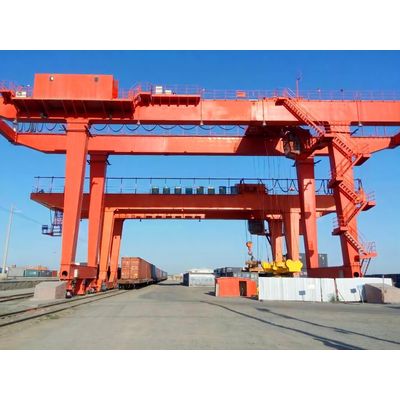
How Rail Mounted Gantry Cranes Transform Cargo Logistics
In the intricate web of global commerce, the efficient movement of goods is a linchpin for success. Cargo logistics, the backbone of this intricate system, is constantly evolving to meet the escalating demands of an interconnected world. At the forefront of this evolution stand Rail Mounted Gantry Cranes (RMGCs), revolutionizing cargo logistics with their unique capabilities and versatile applications. This article explores the transformative impact of RMGCs on cargo logistics, delving into their role in enhancing efficiency, reducing operational costs, and contributing to the overall resilience of supply chains.
Precision and Speed in Container Handling
At the heart of cargo logistics lies the intricate task of handling containers with precision and speed. RMGCs, with their rail-mounted structure, bring a new dimension to this challenge. The ability to travel along designated tracks provides unparalleled precision in navigating through tight spaces within container terminals. This precision not only minimizes the risk of damage to goods but also optimizes the utilization of space in bustling logistics hubs. Simultaneously, the inherent speed of RMGCs accelerates container handling operations, reducing turnaround times and enhancing overall logistical efficiency.
Enhanced Terminal Efficiency through Automation
The transformative impact of RMGCs extends beyond their physical capabilities to their integration with advanced automation and control systems. Modern cargo logistics heavily relies on sophisticated technologies for optimal efficiency. RMGCs seamlessly integrate with Terminal Management Systems (TMS), enabling centralized control and coordination of container handling operations. Automation features, such as computerized control systems and real-time monitoring, empower logistics managers to streamline processes, allocate resources efficiently, and respond swiftly to dynamic operational demands.
Adaptability to Intermodal Transport Networks
In the era of interconnected transportation modes, the adaptability of RMGCs to intermodal networks is a game-changer in cargo logistics. Beyond container terminals, these cranes seamlessly connect with rail networks, facilitating the efficient transfer of containers between ships, trains, and trucks. The intermodal versatility of rail mounted gantry cranes(Козловой кран на рельсовом ходу) not only enhances the fluidity of cargo movements but also contributes to the creation of a well-connected and integrated supply chain. This adaptability ensures that goods traverse various modes of transportation seamlessly, meeting the demands of today's dynamic logistics landscape.
Cost Efficiency and Operational Optimization
Cargo logistics is not merely about speed but also about cost-effectiveness. RMGCs play a crucial role in optimizing operational costs through their efficiency in container handling and automation features. The precise movements of these cranes minimize the need for manual labor, reducing labor costs and enhancing overall operational efficiency. Additionally, their adaptability to intermodal transport contributes to cost savings by streamlining the overall transportation process, from port to final destination.
Mitigating Environmental Impact
In an era where sustainability is a pressing concern, RMGCs contribute to mitigating the environmental impact of cargo logistics. The efficiency in container handling and the streamlined intermodal transport facilitated by these cranes result in reduced energy consumption and lower carbon emissions. As logistics stakeholders increasingly prioritize environmentally friendly practices, the incorporation of RMGCs aligns with the broader goals of creating sustainable and eco-conscious supply chains.
Rail Mounted Gantry Cranes emerge as transformative assets in the realm of cargo logistics, reshaping the way goods move across the globe. Their precision, speed, adaptability to intermodal networks, cost efficiency, and environmental considerations collectively position RMGCs as catalysts for positive change in the logistics industry. As the demands on global supply chains continue to evolve, the transformative impact of RMGCs on cargo logistics becomes increasingly evident, solidifying their role as essential components in the ever-expanding landscape of modern commerce.