


- Home
- Companies
- Environmental Products & Applications, ...
- Articles
- How to Control Dust on Unpaved Roads at ...
How to Control Dust on Unpaved Roads at Historic Sites
Knowing how to control dust on unpaved roads is an ongoing concern at historic sites. Historical locations often lack paved roadways and are constantly trying to stay on top of migrant dust from footpaths and dirt roadways. While these access roads are necessary for visitors, staff, and maintenance vehicles, they also generate airborne dust that can migrate into sensitive areas and erode precious architecture. Effective dust control solutions reduce dust without harming historic features or the surrounding environment.
Let’s discuss how your organization can control dust while also preserving historical locations for future generations.
Unpaved roads are often the primary source of fugitive dust at heritage and historical landmarks. Routine and tourist traffic lifts fine particles into the air, where they can settle on nearby structures, exposed features, and surrounding landscapes. This dust means more cleaning, faster wear, and worse visitor experiences over time.
Short-term approaches like watering may suppress dust briefly, but they require frequent repetition and introduce moisture-related risks like erosion, potholes, and physical damage to historical structures. Most site managers focus on stabilizing access roads for long-term usage, rather than relying on temporary fixes like water sprays.
Historic sites face tougher restrictions than industrial or commercial facilities, which means they need to be exceptionally thoughtful in the products they choose for dust control.
At most historic and archaeological sites, effective dust control strategies are guided by three core principles:
- Minimal disturbance to soils and surrounding landscapes, limiting repeated maintenance and surface disruption
- Environmental responsibility, including reduced runoff potential and compatibility with sensitive ecosystems
- Clear separation between treated, modern access roads and protected cultural resources
That means dust control is limited to clearly defined access roads and parking areas, away from artifacts and historic fabric. Understanding dust control in these settings means selecting solutions that reduce reapplication frequency, limit runoff, and support predictable site operations without expanding treatment areas.
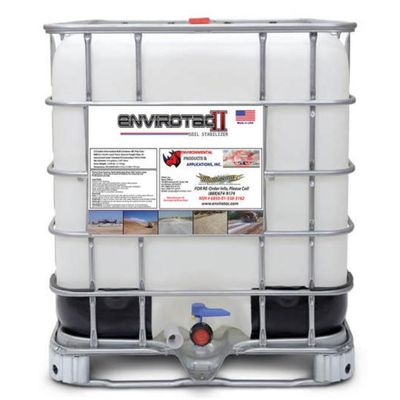
For unpaved access roads, polymer-based road dust control products offer a durable option. The Envirotac Product Line from Environmental Products & Applications Inc. is designed to bind surface particles and stabilize roadways, keeping dust down for months.
Unlike water, these last longer and reduce maintenance traffic and site disruption. Over time, this durability can improve vehicle safety, provide a better experience for visitors, and reduce overall labor demands, key benefits for historic site operations focused on consistency, along with preservation.
For sites that need dust control on unpaved roads without compromising preservation, polymer solutions provide a practical, field-proven approach.
We understand that preserving history is vital, which is why you need a reliable dust suppressant to protect your site from fugitive dust.
Environmental Products & Applications Inc. works with historic and heritage sites to evaluate dust control strategies that balance performance and environmental responsibility. Contact EP&A to learn how to control dust with polymer-based solutions or request product specifications for unpaved access roads.