

- Home
- Companies
- Enviro Solutions Technology Co.,Ltd
- Articles
- How To Maintain and Clean Your Gas ...
How To Maintain and Clean Your Gas Analyzer?
Are you looking for a comprehensive guide to maintaining and cleaning your gas analyzer? To keep it in perfect operating condition, proper and regular cleaning is essential.
With the right maintenance procedures, you can ensure that your gas analyzer continues to perform at peak efficiency with minimal interference from harmful substances such as dust or dirt.
In this blog post, we’ll share some tips on how to maintain and clean your gas analyzer so that it functions reliably for long periods without any interruptions.
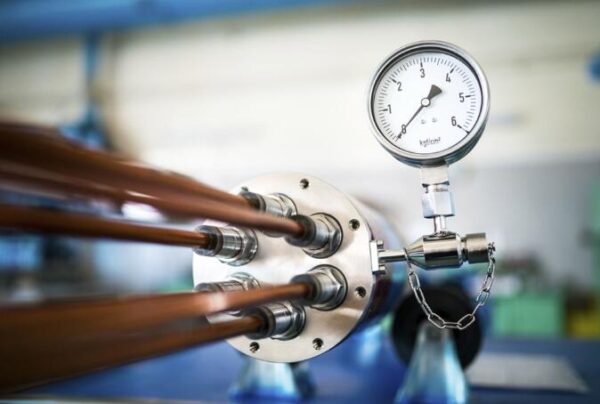
No gas analyzer will last forever and there are steps that you can take to ensure that your gas analyzer is in good condition for many years. Here are some tips to help you keep your gas analyzer in top condition:
Regularly Clean and Maintain
The first step in maintaining your gas analyzer is to regularly clean and maintain it. Make sure that all removable parts are kept free of debris, such as dust or dirt by wiping them down with a soft cloth every few weeks.
Properly Store the Instrument When Not Being Used
When you’re done using the gas analyzer make sure to properly store it away from direct sunlight and excessive heat, cold temperatures, or moisture which can damage sensitive components inside the device over time. Additionally, avoid any contact between metal surfaces on either side of sensors during storage- these will cause corrosion if left for an extended period without maintenance!
Inspect Hoses/ Tubing Thoroughly
Regularly check hose connections for obstructions (kinks) along their full length; replace the rubber or PTFE tubes if there are obvious signs showing cracks where leakage may occur – no matter how small they seem at first glance!
Check Sensor Readings Occasionally
For additional accuracy ensure that reading values stay within acceptable ranges: recalibrating periodically sets up new reference points so discrepancies won’t be ignored once more anomalies start occurring outside this range again!
Change Filter Elements Frequently
The gas analyzer should be equipped with gas-specific filter elements to protect the instrument from particles and other contaminants. Make sure that these are changed regularly to prevent them from clogging, which could cause the gas analyzer to malfunction or if not detected in time even total failure.
Perform Safety Measures
As part of common sense, practice before carrying out any kind of preventive routine. Please always refer back to manufacturer-supplied instructions to confirm gas concentrations, gas detection limits, and other safety measures. If gas levels exceed thresholds or gas concentrations are not within expected ranges, do not proceed with the analyzer maintenance procedure and contact a professional gas technician right away!
There are several steps you can take to keep your gas analyzer clean and working as it should be. Here are some tips to help you properly maintain and clean your gas analyzer.
1. Schedule A Cleaning Time
Regular cleaning of your gas analyzer helps prevent build-up and ensures accuracy. You should schedule regular cleanings to keep the measurements accurate over time.
2. Clean Away Debris First
Before beginning any other steps, make sure that there isn’t any visible dirt or grime on the outside components of your gas analyzer such as tubes, fittings, and valves. Use a soft cloth like cotton swabs with some isopropyl alcohol for this task which should be done regularly after every use if you work in harsh environmental conditions.
3. Wash All Parts Carefully Including Electrical Contacts
Using warm water along with detergent cleaners designed specifically meant for appliances can help lift off greasy buildup quickly without damaging internal elements inside when properly applied to ensure better long-term performance.
4. Test the Function Afterward
It’s a good idea to plug in your gas analyzer after cleaning it. This will allow you to check that all connections are working properly and there aren’t any issues with functionality, signal outputs, or incorrect readings.
5. Use Aerosol Sprays For Thorough Cleanings
Aerosols containing water-displacing lubricants can help dissolve powdered deposits easily on complex parts like nozzles of different shapes which would be otherwise difficult to reach using other methods. Spray only when the device is unplugged as they contain flammable liquids!
6. Repair Fractured Components Immediately
If any interior compartments appear cracked or broken due to corrosion over time treat these immediately since connected electrical contacts might spark causing fires, so take this step seriously before continuing further towards testing if everything looks ok again.
7. Store Correctly and Safely
When done with your cleanup routine, make sure that every component is packed away with a protective cover separately making sure nothing rubs against risky surfaces diminishing its lifespan drastically. Airtight casings work best here plus packing them upright helps save more space compared to one placed sideways (which decreases airflow).
9. Normal calibration
It is important to note that all analyzers must be calibrated before and after use. This means that the device will need to be adjusted according to the manufacturer’s specifications or instructions in the manual. Depending on the type of analyzer, the calibration period are different; however, it is essential for ensuring accuracy and precision. If this process is not conducted regularly, the readings of the analyzer may be imprecise or incorrect. To ensure accuracy and optimal performance, it is therefore important to follow the manufacturer’s directions regarding calibration.
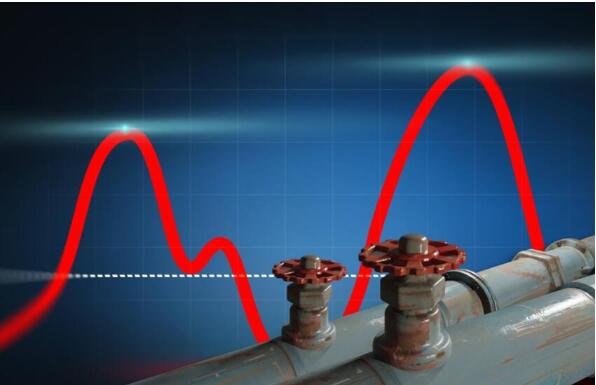
Your gas analyzer should be cleaned regularly to ensure optimal performance. The frequency of cleaning will depend on how often your instrument is used and the environment, in which it operates, but as a general rule, you should aim to clean your gas analyzer at least every three months or whenever dirt has built up over time.
At ESEGAS we offer full-service maintenance contracts including regular checkups and system analysis so that our customers can trust they are getting accurate readings from their equipment with minimal disruption caused during any downtime for servicing.
Contact us today if you would like more information about this valuable professional tool!
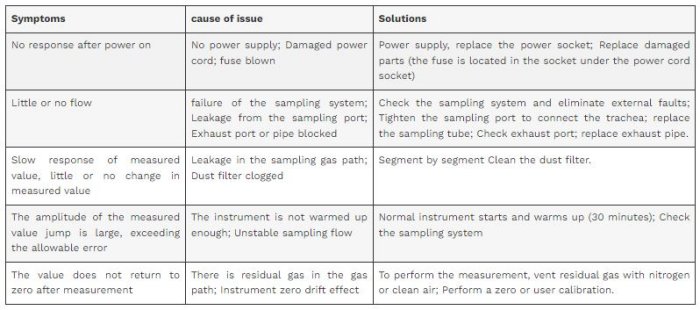
Gas analyzers can be prone to various issues such as gas leaks, inaccurate readings, and clogged gas lines. If you run into any of these problems, here are a few tips to help you troubleshoot:
Poorly Placed Gas Analyzer:
One of the biggest problems faced by gas analyzers is being placed in an area where it gets a lot of dust or debris, which can accumulate on their sensors and interfere with accuracy.
Solution:
To fix this problem make sure to place the device away from any air vents that may draw particles into contact with the sensor and keep any nearby extra machinery properly sealed off while in use.
Clogged Sampling Line:
Gas analyzers require a steady flow of gas or air samples to give accurate readings, which can be disrupted when the line is clogged.
Solution:
Regularly inspect your sampling lines for kinks and blockages by running pressurized air through them periodically. Additionally, check for any visible physical signs that could indicate problems with the system such as water leaks around connections between components.
Bad Scrubber Cartridge Extractor:
The scrubber cartridge extractors play an important role in ensuring accuracy from your device, if it’s not working correctly then you won’t get reliable results either!
Solution:
Inspect regularly (especially after shipping/movement) and make sure all extraction rings are functioning properly – wear should also be accounted for especially on plastic parts which tend to degrade faster than metal ones due to heat changes etc.
If replacement is needed do so immediately after problem diagnostics have been conducted successfully.
Sensor Drift Over Time:
Sensors age just like anything else but they’re responsible for providing correct concentrations during analysis cycles – if there’s drift over time this affects accuracy and needs correcting quickly too.
Solution:
(i) Keep sensors clean & ventilated appropriately.
(ii) Perform calibrations frequently depending upon usage scenario.
(iii). Follow manufacturer-recommended timelines when considering new sensor install dates.
Sample Line Is Too Long:
If the sample line that leads from your gas analyzer to its source of air or gases runs for too long, then it can cause a drop-in pressure rate and thus lead to incorrect readings.
Solution:
Keep lines as short as possible (ideally under 10m) and ensure the clamps/fittings are sealed tightly at either end with no gaps present.
If this isn’t enough, install additional sections along the length of piping which will reduce any movement caused by external sources like wind, etc., allowing full control over accuracy output levels when needed most.
Poor Quality Filters:
Gas analyzers require quality filters on their intake points – if they become blocked then you’ll get bad results back every single time!
This could be due to an assortment of reasons such as inadequate filtration rates designed into the system initially or simply age-related wear & tear causing permanent damage over time.
Solution:
Regularly check all intakes throughout the lifespan – replace parts immediately upon seeing first signs of deterioration/blockages forming; not doing so reduces effectiveness dramatically and risks incorrect data being outputted which could lead to serious consequences if not noted as soon enough.
1. What Types of Gas Analyzers Are Available?
Answer: Gas analyzers come in a variety of forms, ranging from portable handheld units to laboratory instruments used for analyzing several gases at once. Also, can provide online gas analysis system which special according to your project.
EseGas carries an extensive selection that includes the popular TDL Laser Gas Analysis System, CO2 Gas Analyzer, SO2 Gas Analyzer, NDIR Gas Analyzer, Syngas analyzer, Emissions Gas Analyzer and others.
2. How Do I Choose Between Different Models?
Answer: The best way is to have a clear understanding of your measurement requirements before selecting equipment.
- What kinds of gases you would like to measure?
- What is your application or installation point
- What kind of background gases?
- Other onsite conditioning (Gas pressure/Temperature/flow rate
This will help determine which model or combination works best for you! Taking into account factors such as accuracy, range-ability, response times, etc., you can make sure your gas analysis system meets all necessary specifications while providing cost savings when possible. Feel free to contact us if any assistance is needed with making these decisions.
3. Why Should I Purchase My Unit Rather Than Use Rental Services?
Answer: Owning versus renting greatly depends on how often overtime instrumentation needs to be updated due to specific job sites or other factors.
Investing in your equipment can often save money over the long run and ensure consistent quality performance and timely delivery of results between various testing cycles while avoiding any hidden costs that might come with rental services.
4. How Do I Perform a Calibration on My Gas Analyzer?
Answer: All instruments must be calibrated before they are used for accurate measurements so, it is important to follow manufacturer-recommended procedures closely when carrying out these steps yourself!
Generally, this involves preparing standards, zeroing/spanning both electrodes (if applicable), as well as setting up necessary sensors – then performing tests such as a bump test after each change made during every maintenance period.
5. What Type of Training Should I Get Before Using an Analyzer?
Answer: Training requirements ultimately depend upon what model or combination thereof its operator will use but the most common minimum criteria would include becoming familiar with basic safety procedures, understanding how to use a range of measurement units, and getting acquainted with essential instrument settings such as zeroing/spanning.
It is highly recommended that you consult an accredited training resource before starting any type of work involving toxic gases or combustible vapors.
6. Are EseGas Gas Analyzers Reliable?
Answer: Yes, they are – our products undergo rigorous testing throughout the manufacturing process which employs the latest technology when it comes to both hardware design and data acquisition systems.
Rest assured that each model provides remarkably durable performance levels suited for meeting even the most demanding requirements the industry has seen today- all backed up by our dedicated technical support team ready to help out every step way if ever needed.
7. How Long Does It Usually Take to Receive a Gas Analyzer After Ordering?
Answer: Delivery times normally 2-4 weeks after received gas analyzer PO except customized products.
Standard Ground Shipping typically takes approximately 5-7 business days to arrive while Express Arrival will only require 1-2 maximum regardless of size order.
Special delivery arrangements can also be made available upon request. So don’t hesitate to contact us today regarding availability options near the area.
Maintaining and cleaning your gas analyzer is not a difficult task. With the right approach, you can get the job done quickly and efficiently.
Keep an open dialogue with your EseGas representative during this process—whether it’s for preventive maintenance or repair service, having access to knowledgeable professionals will provide a great benefit.
Keeping up with regular maintenance and periodic calibration of your gas analyzer—as well as ensuring it gets inspected for any potential problems—can help you get the most out of your device for years to come.
Remember: EseGas representatives are available 24/7 to help answer any further questions so that you can make sure all aspects of the gas analyzer are functioning optimally!