


Hydraulic Submersible Pumps: A Deep Dive into Design, Selection, and Benefits
Hydraulic submersible pumps are a go-to solution for demanding industrial tasks. Built to last, these pumps outperform electric motors in harsh conditions, whether underwater, handling abrasive materials, or dealing with variable loads. They’re used in a variety of roles, from excavation and large-scale dewatering to mining slurry transport, delivering reliable and efficient fluid movement even in the toughest environments.
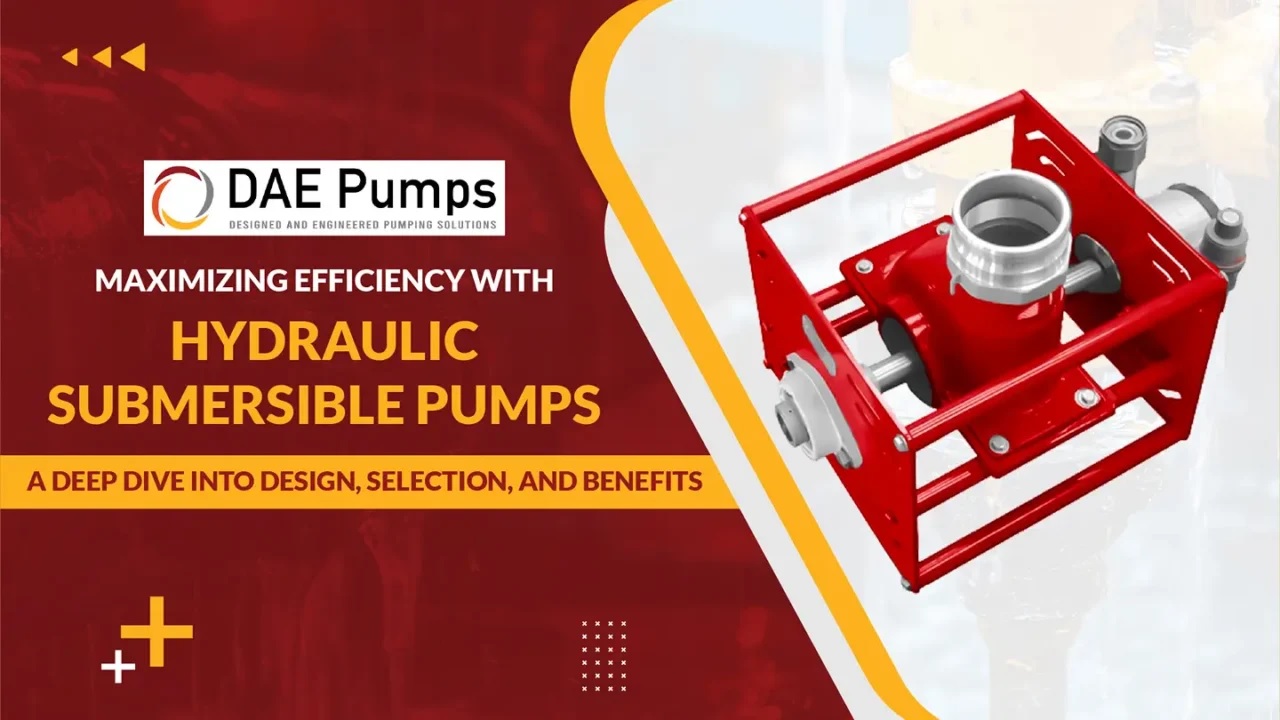
What makes hydraulic systems stand out? Hydraulic systems provide a unique advantage in terms of torque, operational reliability, and adaptability. This has led to their widespread use in large-scale infrastructure projects, environmental remediation, and emergency response operations. By eliminating the dependency on electrical infrastructure, hydraulic submersible pumps offer a level of flexibility that is essential in unpredictable and remote site conditions.
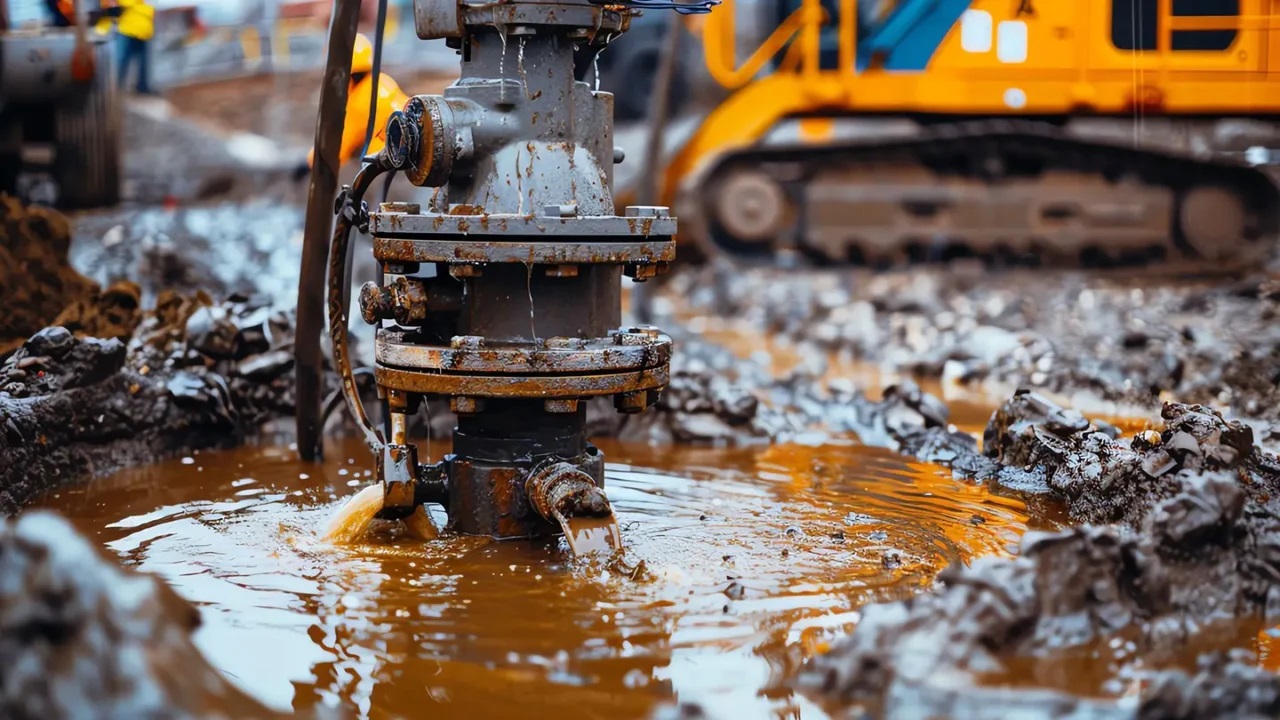
How Hydraulic Submersible Pumps Work: The Basic Principles
Hydraulic submersible pumps operate by converting hydraulic energy into mechanical energy, which drives the impeller to move fluid. These pumps are typically powered by a hydraulic power pack that transmits pressurized fluid through hoses to the pump’s hydraulic motor. This design enables them to function underwater without the need for electric components, making them ideal for remote or hazardous locations.
Key Differences Between Hydraulic And Electric Submersible Pumps
Unlike electric submersible pumps, hydraulic submersible pumps can handle higher viscosities, larger solids, and a broader range of fluid compositions. The absence of electrical parts enhances safety and reduces failure risks in submerged environments.
Commercial hydraulic pump designs incorporate rugged impellers, wear-resistant materials, and high-torque motors, making them suitable for long-term use in harsh environments. Advanced models are equipped with pressure-compensated motors, ensuring consistent flow even under fluctuating loads.
Additionally, the modularity of hydraulic power units enables users to tailor their pumping systems to meet specific power demands, environmental conditions, and project goals. From construction dewatering to municipal sludge pumping, the flexibility of hydraulic-driven systems plays a pivotal role in maximizing uptime.
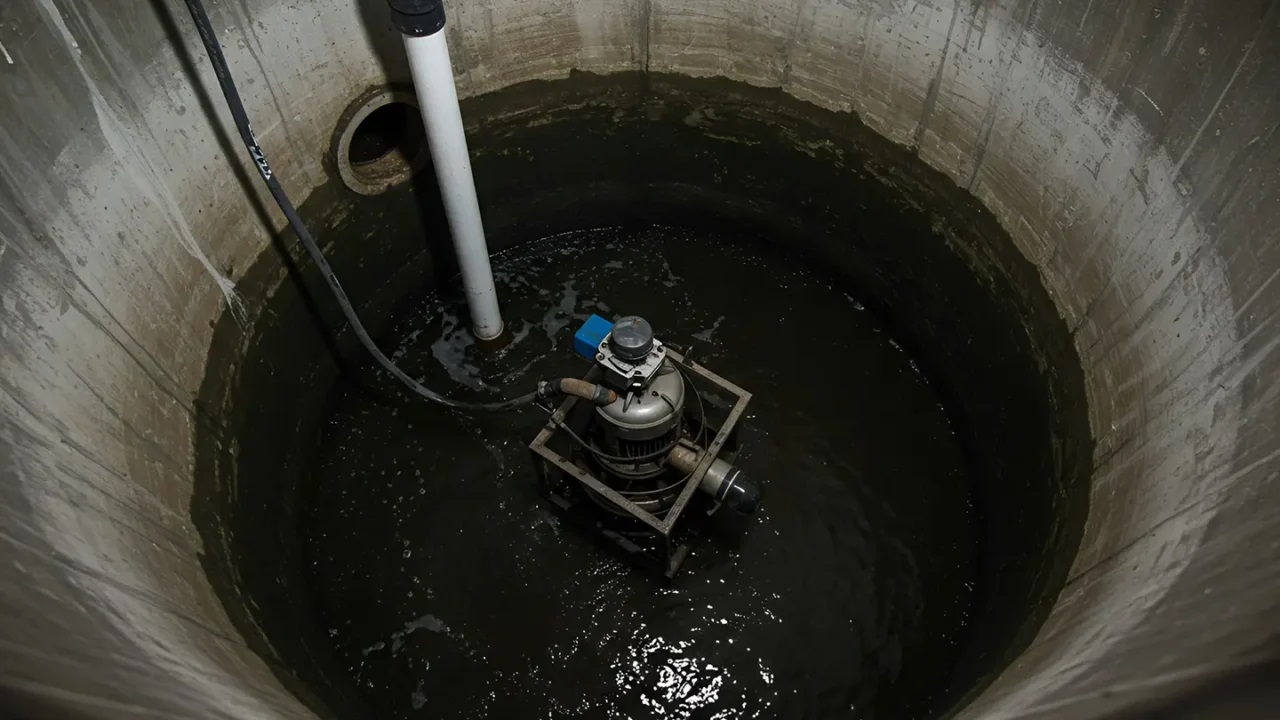
Dredging Operations: Why Hydraulic Submersible Pumps Are Ideal For This Task
Hydraulic submersible pumps are indispensable in dredging due to their capacity to handle large volumes of slurry and sediment. A hydraulic slurry pump is specifically engineered to handle abrasive materials, enabling effective removal of sand, silt, and gravel from riverbeds, harbors, and lagoons without clogging or excessive wear.
In projects involving environmental dredging or restoration, the need to transport contaminated sediment safely makes the use of submersible hydraulic pumps even more crucial. These pumps enable controlled, low-shear movement of material, minimizing turbidity and preventing further ecological damage.
Dredging contractors often face variable depths and rapidly changing sediment profiles. Hydraulic submersible pumps accommodate these changes effortlessly, ensuring consistent productivity without frequent reconfiguration.
Mining And Slurry Transport: Utilizing Hydraulic Slurry Pumps In Mining Operations
In mining operations, slurry management is critical. Submersible hydraulic pumps streamline material transport by minimizing energy loss and improving efficiency in handling tailings and mineral slurries. A hydraulic slurry pump used in this context can withstand abrasive wear, making it a reliable tool in both surface and underground mines.
These pumps are often mounted on mobile platforms, such as skids or submersible sleds, to navigate tight or unstable terrain within mine sites. Due to their robust construction, they’re often chosen for high-density slurry transfer, which reduces the need for multiple stages of pumping and limits operational complexity.
Hydraulic systems are also preferred in confined-space mining operations, where electric components pose a risk. Submersible hydraulic pumps ensure safe and effective operation in such conditions.
Construction And Dewatering Applications: Benefits Of Commercial Hydraulic Pumps For Site Management
Construction sites often require quick removal of groundwater to maintain structural integrity and safety. Commercial hydraulic pumps offer powerful dewatering capabilities even in flooded or remote environments. Their portability and compatibility with excavators and other machinery make them indispensable for site management.
From urban tunneling projects to emergency flood response, submersible hydraulic pump systems ensure fast deployment and performance under pressure. Contractors value these systems not only for their power but also for their minimal maintenance needs in short-term, high-demand applications.
In high-rise foundation work, where water ingress is constant, the durability of a hydraulic submersible pump significantly reduces downtime and protects investment in other site equipment.
Flow Rate and Head Height Requirements
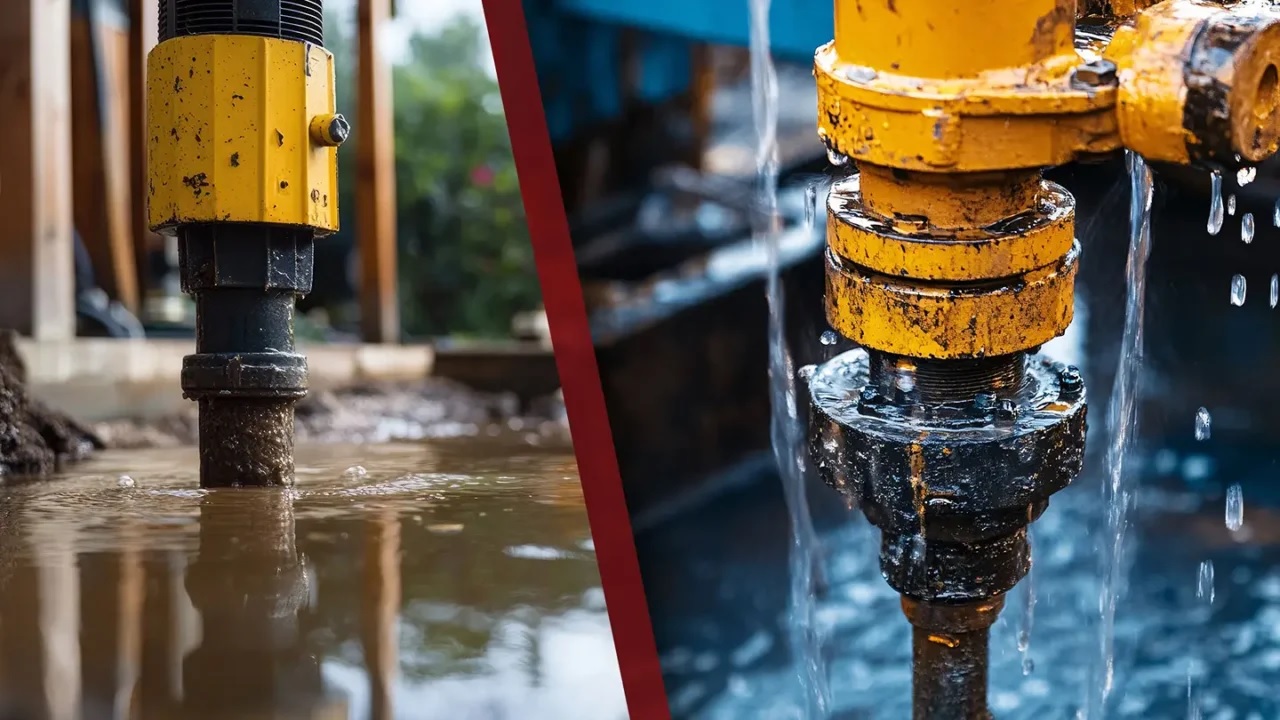
The first step in selecting a hydraulic submersible pump is identifying the required flow rate and total dynamic head. Projects requiring high lift or long discharge distances will need a pump with a higher head capacity.
High-flow applications such as barge unloading or reservoir transfer benefit from large-diameter impellers and optimized hydraulic circuitry. On the other hand, low-flow, high-head scenarios demand pressure-tuned systems to minimize cavitation and increase efficiency.
Inconsistent flow rate calculations can lead to either overbuilt or underperforming systems. It is critical to run accurate hydraulic modeling before pump deployment.
Pump Materials: How To Select Based On Fluid Composition (Abrasive Or Corrosive)
The pump material should be compatible with the type of fluid being handled. For example, when dealing with corrosive chemicals, stainless steel or composite materials are preferred. For abrasive slurries, high-chrome or hardened steel components in the hydraulic slurry pump ensure extended service life.
Other factors to consider include the presence of oil, biological material, or high-temperature fluid. In such cases, elastomer compatibility, thermal resistance, and chemical stability all impact longevity and safety.
Sizing Considerations For Different Applications: Matching Pump Capacity To Project Needs
A submersible hydraulic pump must be correctly sized for the application. Undersized pumps lead to inefficiency and wear, while oversized systems can cause cavitation or excessive energy consumption. It’s essential to match the pump’s specifications with site requirements.
Working with experienced engineers or consultants during pump selection can reduce overdesign, saving cost and energy. DAE Pumps offers performance curves, selection software, and technical guidance to simplify this process.
Durability and Efficiency in Harsh Conditions
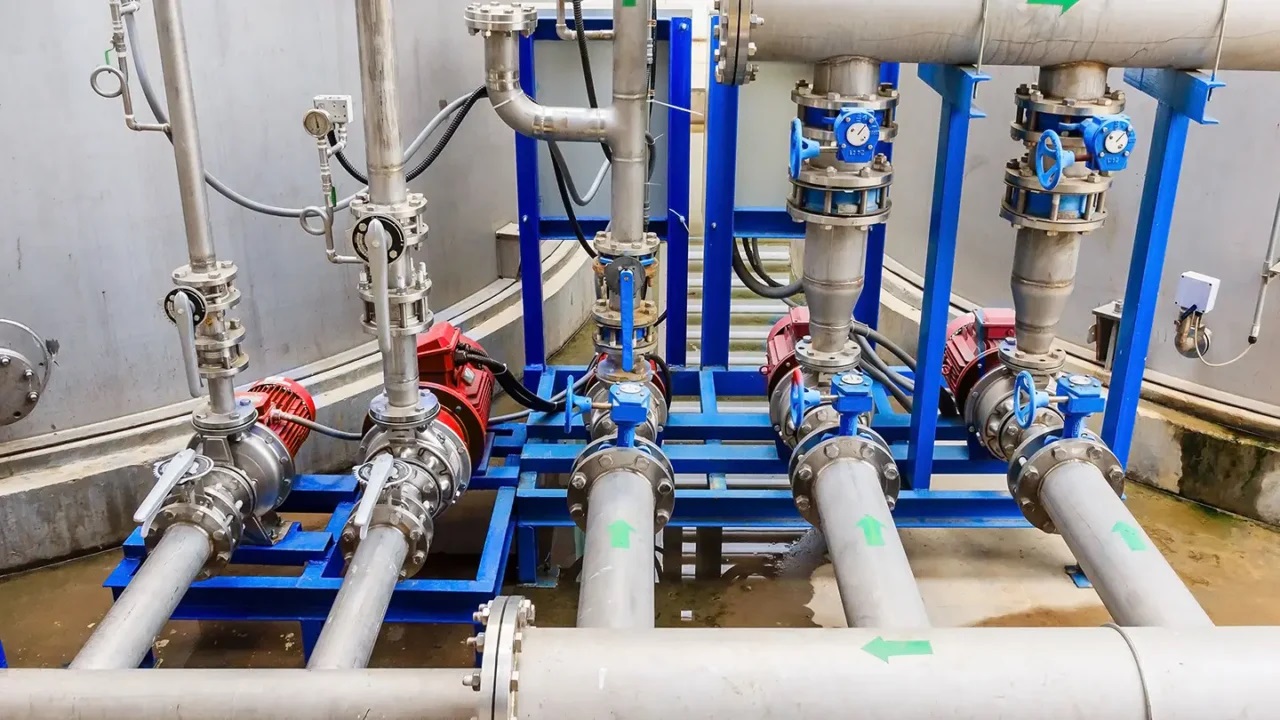
Hydraulic submersible pumps are engineered to thrive in environments with extreme temperatures, abrasive materials, and continuous operation demands. Unlike their electric counterparts, they operate submerged with minimal risk of motor failure due to moisture or contaminants.
Whether deployed in winter road projects, offshore operations, or desert excavation, these pumps maintain performance with minimal degradation. Their ability to handle solids up to several inches in diameter is a distinct advantage.
Cost-Effectiveness: Why Commercial Hydraulic Pumps Are A Long-Term Investment
Although the initial cost may be higher, commercial hydraulic pumps offer long-term value through reduced maintenance, fewer breakdowns, and a longer operating life. Their ability to handle tough tasks with minimal intervention translates to lower total cost of ownership.
When factoring in reduced labor, downtime, and part replacement, hydraulic submersible pump systems often outperform electric systems in total lifecycle cost. Additionally, sharing a single hydraulic power unit between multiple pumps can further optimize capital expenditure.
Enhanced Reliability: Reduced Downtime And Maintenance Costs
A hydraulic slurry pump is less susceptible to clogging and burnout, thanks to its robust construction and high torque motor. Fewer moving parts and fewer electrical connections reduce maintenance needs and ensure higher uptime, especially in continuous-duty applications.
Common Issues and How to Address Them
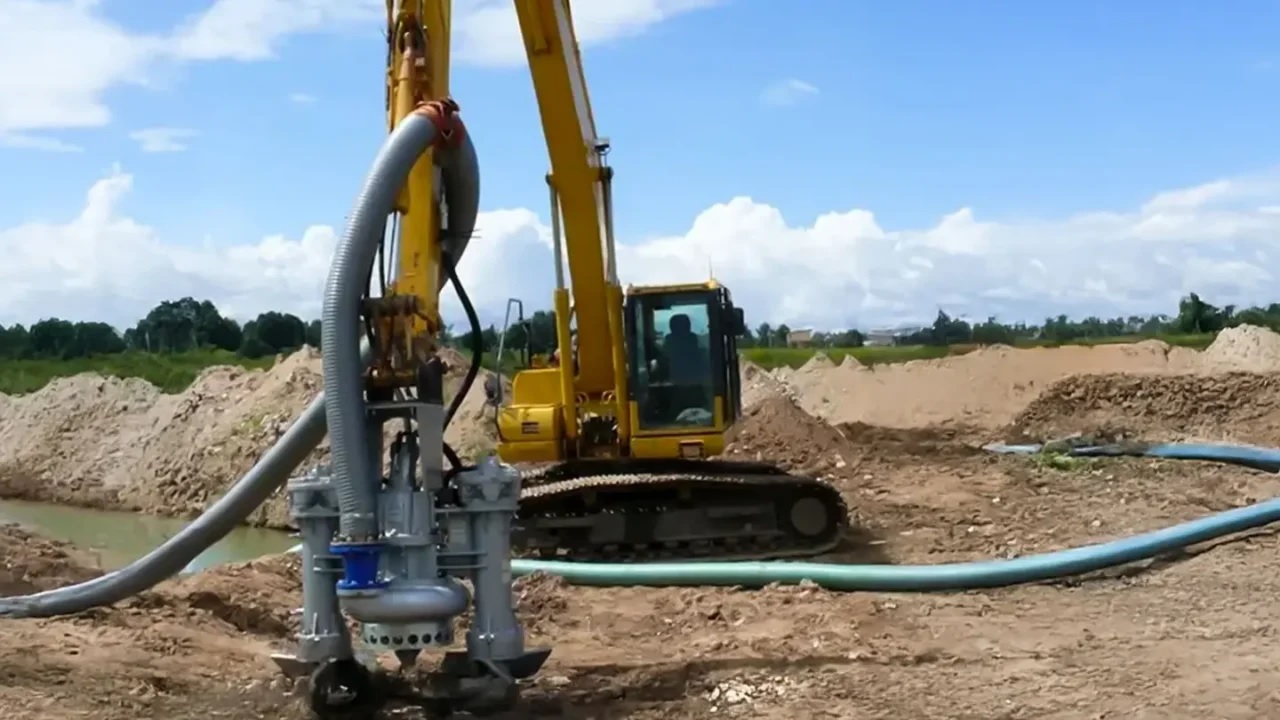
Even high-performance submersible hydraulic pumps can encounter issues like reduced flow, overheating, or cavitation. Most problems can be traced to incorrect hydraulic pressure, clogged impellers, or damaged hoses. Regular inspection of hoses, seals, and impellers is crucial.
Excessive vibration, noise, or sudden drops in performance should prompt a check of the hydraulic power pack, fluid temperature, and oil cleanliness. Timely diagnosis often prevents extensive damage.
Preventative Maintenance Tips
To extend the life of a hydraulic slurry pump, perform routine flushing of the hydraulic circuit, inspect wear components, and replace seals periodically. Using clean, filtered hydraulic oil is essential for preventing internal wear.
Install in-line filters and monitor pressure drops to ensure system health. Seasonal storage should include flushing and protective oil circulation to prevent corrosion.
Best Practices for Maintenance
Maintain a log of operating hours and service intervals for each commercial hydraulic pump. Replace wear parts proactively rather than reactively to avoid unplanned downtime. Always verify that system pressure matches the pump’s specifications before starting operations.
Training operators on proper setup and shutdown procedures is another essential best practice. Ensuring that field personnel can identify early warning signs of pump issues can drastically reduce emergency repairs.
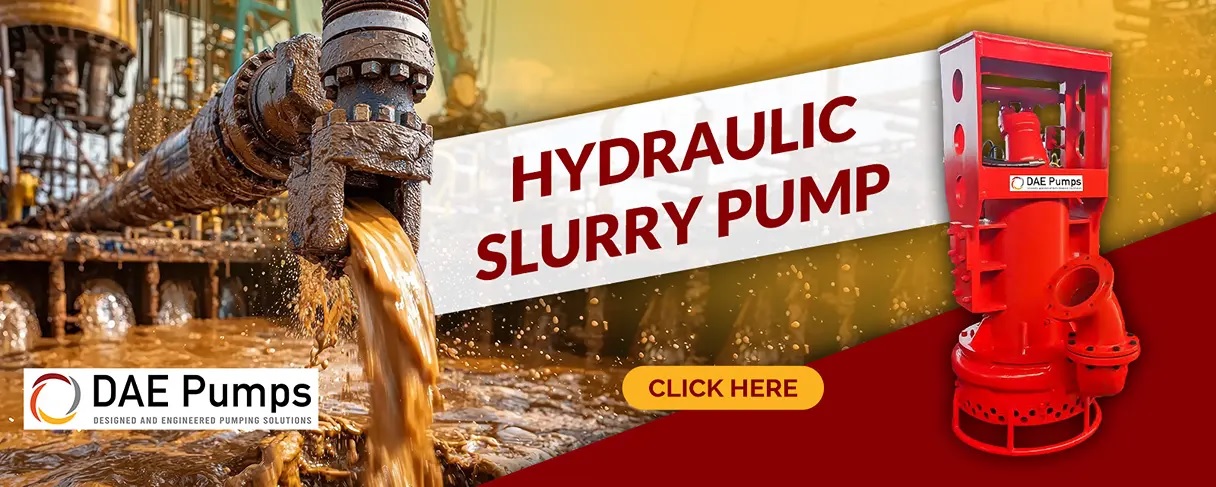
Comparing Submersible Hydraulic Pumps, Commercial Hydraulic Pumps, And Hydraulic Slurry Pumps For Specific Needs
- Submersible hydraulic pump: Best for underwater applications with varied fluid types. Highly mobile and adaptable.
- Commercial hydraulic pump: Designed for rugged, continuous-duty tasks in construction and municipal projects.
- Hydraulic slurry pump: Tailored for abrasive and solid-laden fluids, especially in dredging and mining.
Each type of pump offers specific strengths, and selecting the appropriate variant can significantly impact project timelines, operating costs, and environmental compliance.
Pros And Cons Of Each Type And How To Make The Best Selection For Your Project
Submersible hydraulic pumps are compact and easy to deploy, but may require custom fittings. Commercial hydraulic pumps offer higher flow rates and are ideal for industrial-scale operations. Hydraulic slurry pumps excel in abrasive environments but need more frequent inspection.
Project managers should consider maintenance frequency, portability needs, and compatibility with existing hydraulic power units when making a selection.
Case Studies Of Successful Applications Across Industries
In a coastal restoration project, a hydraulic slurry pump enabled continuous dredging of a marina channel, resulting in a 30% reduction in project time. In another case, a commercial hydraulic pump facilitated rapid dewatering of a storm-affected construction site, preventing structural delays and water damage.
Another example includes the use of submersible hydraulic pumps during emergency flood relief operations in the Midwest, where their rapid deployment helped prevent infrastructure collapse.
In a Nevada mining operation, switching from electric to hydraulic slurry pumps extended maintenance intervals by 40% and reduced power consumption through improved efficiency at high flow rates.
Innovations In Pump Efficiency, Automation, And Monitoring Systems
Smart hydraulic submersible pumps are being equipped with variable speed controls and remote monitoring capabilities. These innovations enable operators to adjust performance in real-time and receive alerts for maintenance.
AI-based analytics are beginning to detect wear patterns and optimize operations by dynamically adjusting pump curves. These features increase both energy efficiency and system longevity.
The Role Of Sustainability In Pump Design And Future Developments In Eco-Friendly Hydraulic Pumps
Manufacturers are developing eco-friendly hydraulic fluids and energy-efficient motor designs. By reducing fuel consumption and emissions, these new pumps align with environmental compliance goals.
Some commercial hydraulic pump systems now feature biodegradable fluids that meet environmental safety standards, allowing for their use in marine and protected ecosystems.
Predicting The Future Of Hydraulic Submersible Pumps In Industry
With advances in AI-based diagnostics and IoT-enabled sensors, the future of the hydraulic submersible pump will center on predictive maintenance and system integration. These developments are set to transform performance tracking and reduce operational costs across industries.
Increased modularity and mobile app-based interfaces are expected to redefine how operators interact with submersible hydraulic pump systems in the field.
(Conclusion)
Hydraulic submersible pumps provide unmatched versatility, durability, and performance across dredging, mining, and construction sectors. Whether you’re deploying a submersible hydraulic pump for submerged applications, a commercial hydraulic pump for heavy-duty site work, or a hydraulic slurry pump for aggressive materials, each type offers distinct advantages based on the project’s demands.
For reliable, cost-effective, and high-performance pumping solutions, contact DAE Pumps. Our experts will help you select the right hydraulic submersible pump system tailored to your unique industrial challenges.