


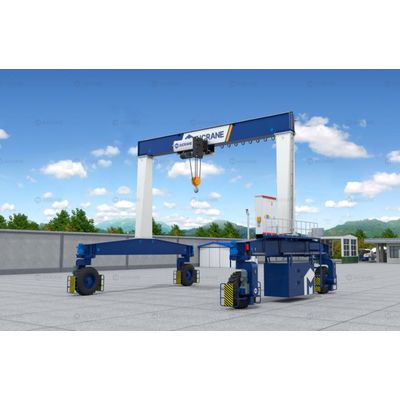
Hydraulic System Safety in RTG Rubber Tyred Gantry Cranes
Rubber Tyred Gantry (RTG) cranes are widely used in ports, logistics yards, precast yards, and heavy industrial facilities for handling large and heavy loads. Unlike rail-mounted cranes, RTG cranes rely heavily on hydraulic systems to perform essential functions such as steering, braking, suspension control, and in some designs, lifting assistance. Because these systems operate under high pressure and directly influence crane mobility and stability, hydraulic system safety is critical to reliable RTG crane operations.
A well-designed hydraulic system ensures precise control, protects critical components, and minimizes operational risks. At the same time, proper maintenance, monitoring, and operator awareness are necessary to prevent failures that could compromise crane safety. This article explores the key aspects of hydraulic system safety in RTG rubber tyred gantry cranes, including design features, protective mechanisms, maintenance practices, and operational considerations.
Importance of Hydraulic Systems in RTG Cranes
Hydraulic systems play a central role in RTG crane mobility and operational control. These systems convert hydraulic pressure into mechanical force, allowing operators to steer the crane, control braking systems, and maintain load stability while traveling.
In RTG cranes, hydraulic systems commonly support the following functions:
- Steering mechanisms for multi-wheel coordination
- Hydraulic braking systems for safe stopping
- Suspension and load equalization systems
- Hydraulic cylinders used in lifting assistance or spreader positioning
- Emergency hydraulic circuits for fail-safe operations
Because these functions directly influence the crane’s movement and stability, any hydraulic malfunction can create serious safety hazards. For example, hydraulic leaks can reduce pressure in the system, causing loss of steering control or braking efficiency. Over-pressurization can damage components and lead to sudden system failure.
Therefore, RTG crane manufacturers integrate multiple safety features into the hydraulic system to ensure reliable performance under demanding working conditions.
High-Pressure System Design and Safety Standards
Hydraulic systems in RTG cranes typically operate at high pressures, often exceeding 200 bar depending on the design. To ensure safe operation under such pressure levels, manufacturers design hydraulic circuits according to strict engineering and safety standards.
Key safety considerations in hydraulic system design include:
Pressure-rated components
All hydraulic hoses, valves, cylinders, and pumps are designed to withstand pressure levels significantly higher than normal operating pressure. This safety margin helps prevent component failure during peak loads.
Reinforced hydraulic hoses
Heavy-duty reinforced hoses are used to resist wear, vibration, and high pressure. Protective sleeves may also be added to reduce the risk of external damage.
Secure routing of hydraulic lines
Hydraulic pipes and hoses are carefully routed to avoid sharp bends, moving components, or high-temperature areas that could cause premature wear or rupture.
Redundant control circuits
Some RTG crane designs incorporate backup hydraulic circuits to maintain basic functionality if the primary circuit fails.
Through these engineering practices, the hydraulic system can maintain safe operation even under continuous heavy-duty crane operations.
Pressure Control and Overload Protection
One of the most important safety mechanisms in hydraulic systems is pressure control. Excessive pressure can damage system components or cause sudden failure, which could compromise crane safety.
RTG cranes incorporate several pressure control devices to regulate hydraulic pressure:
Pressure Relief Valves
Pressure relief valves are installed to prevent hydraulic pressure from exceeding the system’s safe limit. When pressure rises beyond the preset threshold, the valve opens and diverts excess fluid back to the reservoir, protecting pumps and cylinders from overload.
Pressure Reducing Valves
These valves ensure that certain hydraulic circuits operate at lower pressures than the main system. This is important for sensitive components that require controlled pressure levels.
Pressure Sensors and Monitoring Systems
Modern RTG cranes often include pressure sensors connected to digital monitoring systems. These sensors allow operators and maintenance teams to monitor hydraulic pressure in real time. If abnormal pressure levels are detected, alarms or automatic shutdown systems may be triggered.
Together, these components help maintain stable pressure levels and prevent system overload.
Hydraulic Braking System Safety
Safe braking is critical for RTG crane operation, especially when transporting heavy loads across large industrial yards. Hydraulic braking systems provide the force required to stop the crane safely and maintain position when stationary.
Several safety features are incorporated into RTG crane braking systems:
Fail-safe braking design
Many RTG cranes use spring-applied, hydraulically released brakes. In this design, the brakes automatically engage if hydraulic pressure is lost, ensuring the crane stops safely during a system failure.
Independent braking circuits
Separate hydraulic circuits may control braking for different wheel groups, providing redundancy and ensuring braking capability even if one circuit fails.
Emergency braking systems
Emergency braking can be activated manually by the operator or automatically by the control system in case of abnormal conditions such as overspeed or power failure.
These features significantly reduce the risk of uncontrolled mobile gantry crane movement.
Steering System Safety
RTG cranes often feature complex multi-wheel steering systems to maneuver efficiently within container yards or industrial facilities. Hydraulic systems are responsible for controlling the steering cylinders that adjust wheel direction.
To maintain steering safety, RTG cranes incorporate several protective measures:
- Precision hydraulic valves for accurate steering control
- Steering synchronization systems to ensure all wheels turn correctly
- Position sensors that monitor wheel alignment
- Emergency stop functions if steering deviation exceeds allowable limits
These systems help maintain stable crane movement and prevent dangerous misalignment during travel.
Leak Prevention and Hydraulic Fluid Management
Hydraulic fluid leakage is one of the most common issues in hydraulic systems. Even small leaks can reduce system pressure, contaminate the environment, and create slipping hazards.
RTG crane hydraulic systems are designed with leak prevention measures such as:
- High-quality seals and gaskets
- Secure hose connections and fittings
- Protective hose routing
- Regular inspection points for maintenance
In addition, hydraulic fluid quality must be carefully managed. Contaminated or degraded hydraulic oil can cause component wear, reduce efficiency, and lead to system failure.
Key maintenance practices include:
- Regular oil sampling and analysis
- Scheduled hydraulic oil replacement
- Filtration system monitoring
- Cleaning of hydraulic reservoirs
Maintaining clean and properly conditioned hydraulic fluid is essential for long-term system safety.
Monitoring and Diagnostic Systems
Modern RTG cranes increasingly rely on intelligent monitoring systems to enhance hydraulic system safety. These systems continuously collect operational data and alert operators to potential problems before they become critical failures.
Typical monitoring features include:
- Hydraulic pressure monitoring
- Temperature monitoring
- Fluid level sensors
- Filter condition indicators
- Fault diagnostics through crane control systems
By providing early warnings of abnormal conditions, these monitoring systems help maintenance teams address issues proactively, reducing downtime and preventing accidents.
Preventive Maintenance for Hydraulic Safety
Preventive maintenance plays a major role in ensuring the safety and reliability of RTG crane hydraulic systems. Regular inspections and servicing can identify wear or potential failures before they affect crane operation.
A comprehensive maintenance program typically includes:
- Inspection of hydraulic hoses and fittings
- Checking for leaks and pressure drops
- Testing pressure relief valves
- Inspecting hydraulic cylinders and seals
- Monitoring pump performance
- Replacing worn components
Maintenance teams should also follow manufacturer guidelines for service intervals and component replacement.
Proper maintenance not only improves safety but also extends the lifespan of hydraulic system components.
Operator Awareness and Safety Practices
While engineering design and maintenance are essential, operator awareness is equally important for hydraulic system safety.
RTG crane operators should be trained to recognize signs of hydraulic system problems, including:
- Unusual noises from pumps or valves
- Slow or irregular crane movement
- Hydraulic fluid leaks
- Abnormal pressure readings
- Increased steering resistance
If any of these symptoms occur, operators should stop crane operation immediately and report the issue for inspection.
Operators should also follow safe operating procedures, such as avoiding sudden directional changes or excessive speed when carrying heavy loads.
Conclusion
Hydraulic systems are a vital component of RTG rubber tyred gantry cranes, supporting essential functions such as steering, braking, and load stability. Because these systems operate under high pressure and directly affect crane mobility, hydraulic safety must be carefully addressed through engineering design, protective devices, monitoring systems, and preventive maintenance.
Key safety features—including pressure relief valves, fail-safe braking systems, leak prevention measures, and intelligent monitoring systems—help ensure that RTG cranes operate safely and reliably in demanding industrial environments.
However, hydraulic system safety does not depend solely on design. Regular maintenance, proper hydraulic fluid management, and well-trained operators are equally important for maintaining system performance and preventing accidents.
By combining advanced engineering with responsible operational practices, industrial facilities can ensure that their RTG cranes deliver efficient, safe, and long-term performance in container yards, manufacturing plants, and heavy logistics operations.