

- Home
- Companies
- Aimix Group Co., Ltd
- Articles
- Hydraulic Towing Winch: Unveiling the ...
Hydraulic Towing Winch: Unveiling the Key Components
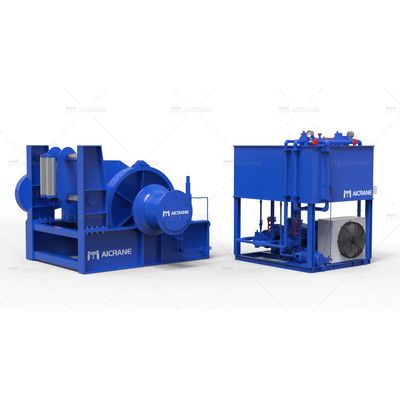
Hydraulic towing winches are essential pieces of equipment in various industries, including marine, offshore, construction, and transportation. These winches provide the necessary power and control to tow heavy loads, such as vessels, vehicles, and equipment, with precision and efficiency. To gain a deeper understanding of hydraulic towing winches, it's crucial to explore the key components that make these devices work seamlessly. In this article, we'll dissect the essential components that come together to create a reliable hydraulic towing winch.
Hydraulic Motor
The hydraulic motor is the heart of a hydraulic towing winch. It converts hydraulic pressure into mechanical power to drive the winch drum. These motors can be of various types, such as axial piston, radial piston, or gear motors, each with its own advantages and suitability for different applications. The motor's performance and power output are key factors in determining the winch's overall capacity and efficiency.
Hydraulic Pump
The hydraulic pump is responsible for generating hydraulic pressure in the system. It takes mechanical power from an external source, such as an engine or an electric motor, and converts it into hydraulic fluid flow. The pressure generated by the pump is crucial for providing the force required to operate the winch. There are different types of hydraulic pumps, including gear pumps, vane pumps, and piston pumps, with varying efficiency and capacity levels.
Hydraulic Control Valve
The hydraulic control valve regulates the flow and pressure of hydraulic fluid to control the winch's speed, direction, and braking. This component allows the operator to manipulate the winch's operation, including winding or unwinding the cable, adjusting speed, and halting the winch's movement when necessary. The valve may have multiple functions, including forward and reverse flow control and brake engagement.
Winch Drum
The winch drum is where the towing cable is wound or unwound. It plays a crucial role in storing the cable, enabling controlled deployment or retrieval. Winch drums come in various sizes and designs, depending on the winch's intended use. Some winches have single drums, while others may feature multiple drums to handle more complex operations.
Cable or Rope
The towing cable or rope is an integral component of the hydraulic towing winch machine. It is attached to the winch drum and serves as the means of transferring force from the winch to the load being towed. The material and strength of the cable must be chosen carefully, considering factors like the weight and type of the load, as well as the environmental conditions in which the winch will operate.
Braking System
A braking system is essential to control the winch's movement and prevent uncontrolled cable payout. There are several types of brakes used in hydraulic towing winches, including mechanical, hydraulic, and electromagnetic brakes. The choice of brake depends on the winch's specific requirements and the desired level of control.
Frame and Mounting
The frame and mounting structure provide the winch with stability and support. This component ensures that the winch remains securely attached to the towing vehicle or vessel. The frame is designed to withstand the stresses and forces generated during towing operations.
Hydraulic Reservoir and Hoses
The hydraulic reservoir stores hydraulic fluid and helps maintain the required pressure in the hydraulic system. Proper hydraulic hoses connect the components, allowing the flow of hydraulic fluid between the pump, motor, and control valve. These hoses must be durable and designed to withstand the high-pressure conditions within the system.
Control System
Modern hydraulic towing winches often feature advanced control systems that allow for precise and efficient operation. These control systems may include electronic controls, user interfaces, and feedback mechanisms to monitor load tension and winch performance.
Safety Features
Safety features are crucial in hydraulic towing winches, especially in applications where heavy loads are involved. These features may include emergency stop buttons, overload protection, and fail-safe mechanisms to prevent accidents and equipment damage.
Conclusion
Hydraulic towing winches are versatile and powerful machines used in various industries for towing and pulling heavy loads. Understanding the key components that make up a hydraulic towing winch is essential for both operators and those involved in maintenance and design. By comprehending how these components work together, we can ensure the reliable and efficient operation of hydraulic towing winches, contributing to safer and more productive towing operations in a wide range of applications.