

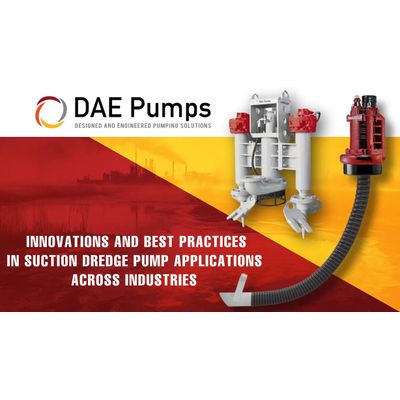
Innovations and Best Practices in Suction Dredge Pump Applications Across Industries
In today’s demanding industrial landscape, efficient sediment removal, and slurry transport are vital for operations ranging from mining to coastal restoration. At the core of these activities lies a crucial technology: suction dredge pumps. These powerful systems have revolutionized how industries handle abrasive, high-volume material movement—delivering reliability, precision, and durability in even the harshest environments. As projects grow in scale and complexity, the need for innovative, application-specific solutions becomes increasingly important. This blog explores the evolution, applications, and cutting-edge advancements in suction dredge pumps. It highlights their role in gold mining, remote operations with diesel-powered systems, and best practices that ensure performance, efficiency, and environmental compliance.
Suction dredge pumps have undergone a remarkable transformation since their inception. What began as simple, manually operated devices used in small-scale waterway excavation has evolved into sophisticated, high-powered pumping systems capable of moving vast quantities of sediment, slurry, and water with minimal human intervention. Early suction dredge pumps were labor-intensive, inefficient, and limited in their capacity and reach. However, with the rise of industrialization and the increasing demand for resource extraction and environmental management, engineers began to innovate aggressively.
The evolution of suction dredge pumps accelerated with the advent of diesel engines and advancements in metallurgy. The need to handle abrasive materials and heavier solids drove the development of impellers made from hardened steel and other wear-resistant alloys. As infrastructure and energy projects grew in size and complexity, so did the demand for dredge pumps that could withstand extreme conditions without frequent downtime.
Today, suction dredge pumps are integrated into large-scale mining operations, coastal restoration projects, and municipal infrastructure programs. They play a pivotal role in enabling high-efficiency sediment removal, particularly in locations where environmental regulations require precision and containment. Innovations such as remote monitoring systems, hydraulic drive configurations, and automated priming mechanisms have further enhanced their reliability and performance.
This journey-from manual equipment to intelligent diesel dredge pumps and gold dredge suction pump systems-represents not just technological progress but a redefinition of what’s possible in sediment and slurry management.
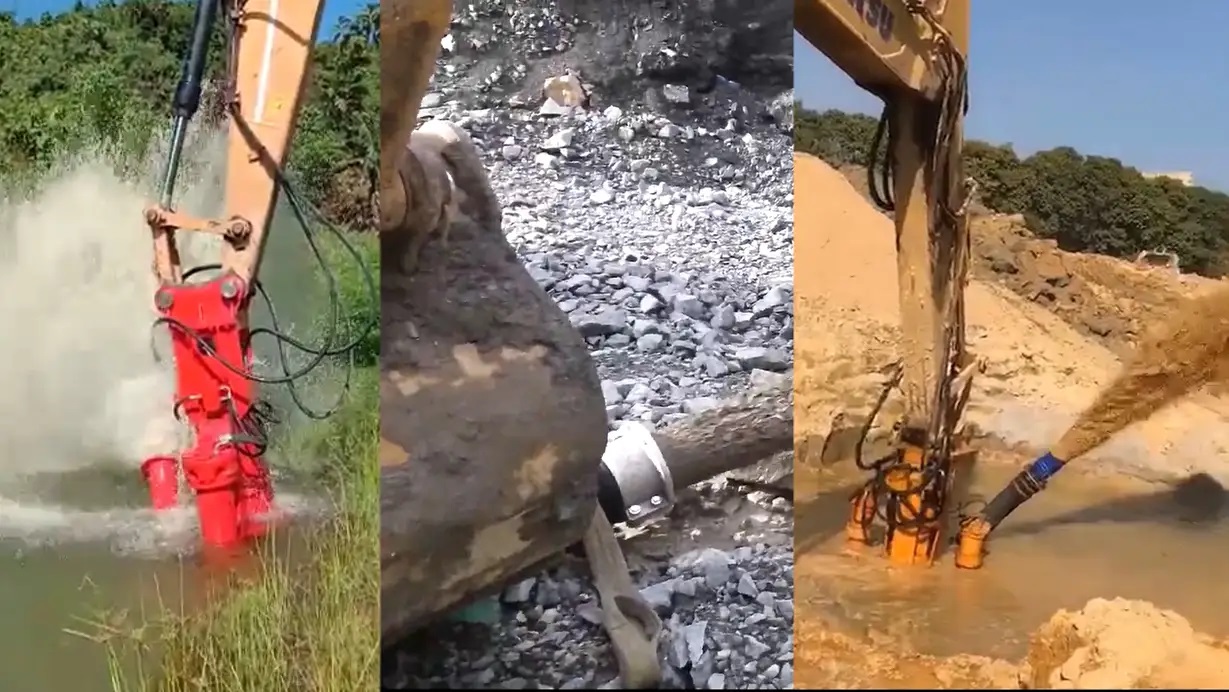
Suction dredge pumps have become essential across multiple industries due to their adaptability, efficiency, and powerful operation. Their ability to handle challenging materials and operate under demanding conditions makes them indispensable for heavy-duty sediment management and material transport.
Mining: Tailings and Slurry Transport
In the mining industry, suction dredge pumps are deployed to transport tailings and slurry, often across long distances and under high-pressure conditions. These pumps help manage the byproducts of mineral extraction, which typically consist of fine rock particles suspended in water. The ability of suction dredge pumps to handle abrasive slurries without clogging or mechanical failure is a key factor in maintaining the operational efficiency of a mine.
Gold dredge suction pumps are widely used in alluvial and placer mining applications where gold is extracted from sediment-laden water. These pumps ensure high throughput while preserving the fine particles of gold for recovery systems.
Harbor and Waterway Maintenance
In harbors and waterways, sediment accumulation can obstruct shipping lanes, damage infrastructure, and reduce water depth. Suction dredge pumps are used to maintain navigable depths and remove built-up silt, sand, and debris. Diesel dredge pumps are especially useful in these applications due to their portability and ability to operate in areas with limited access to electric power.
Ports, marinas, and coastal cities rely on dredge pumps for routine maintenance. These operations are often carried out under tight schedules and environmental regulations, making the reliability of suction dredge pumps a critical success factor.
Beach Nourishment and Environmental Dredging
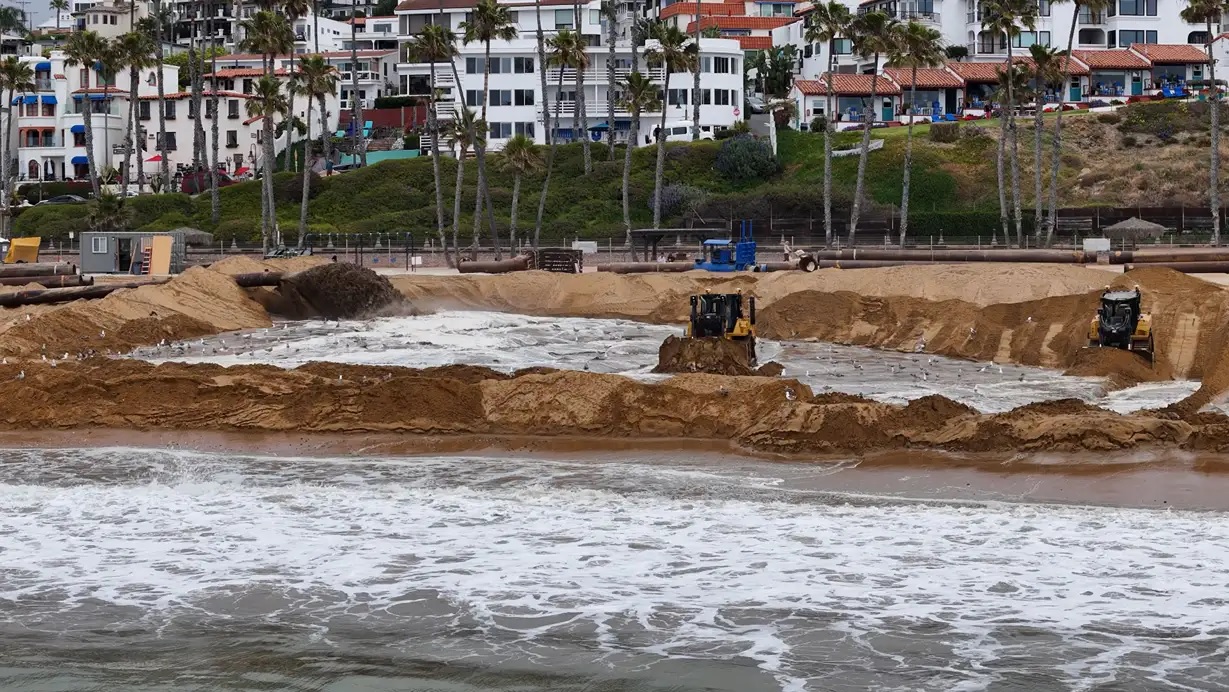
Coastal erosion and habitat loss are major environmental concerns. Suction dredge pumps are employed to transport sediment from offshore or riverine sources back to eroded beaches, wetlands, or marshlands. The precision and controlled flow of gold dredge suction pump systems make them suitable for environmentally sensitive areas.
In addition to beach nourishment, environmental dredging uses suction dredge pumps to remove contaminated sediments from lakes and rivers. These applications often involve customized diesel dredge pumps capable of operating in remote or restricted zones.
Gold dredge suction pumps are a cornerstone of placer and artisanal gold mining. Designed to extract sediment, water, and gold particles from riverbeds or floodplains, these pumps range from small portable units to industrial systems with high-volume capabilities.
Equipment Setup for Gold Recovery
A typical gold dredge suction pump system includes a suction hose, power source, classifier or sluice box, and discharge hose. The goal is to maximize sediment flow without losing fine gold particles. Achieving the right balance of suction, flow rate, and recovery efficiency is essential.
High-quality gold dredge suction pumps allow for adjustable flow settings and incorporate anti-clogging features. In remote operations, diesel-powered versions provide autonomy and field mobility.
Water Flow and Suction Efficiency
Suction and discharge performance directly influence gold recovery. Underpowered pumps may fail to deliver sufficient material, while excessive suction can disturb the riverbed and increase turbidity. Gold dredge suction pumps are engineered to optimize suction without causing sediment dispersion that reduces visibility and harms aquatic ecosystems.
Pump manufacturers like DAE Pumps emphasize impeller design, housing geometry, and wear material selection to enhance performance. The ability to maintain consistent suction and water flow under varied field conditions is what separates average pumps from best-in-class solutions.
Environmental Impact Mitigation
Mining regulations increasingly require operators to mitigate their environmental impact. Gold dredge suction pumps that integrate sediment diffusers and silt curtains can limit turbidity and downstream sedimentation. Additionally, the use of biodegradable hydraulic fluids in diesel dredge pumps helps reduce ecological damage in sensitive areas.
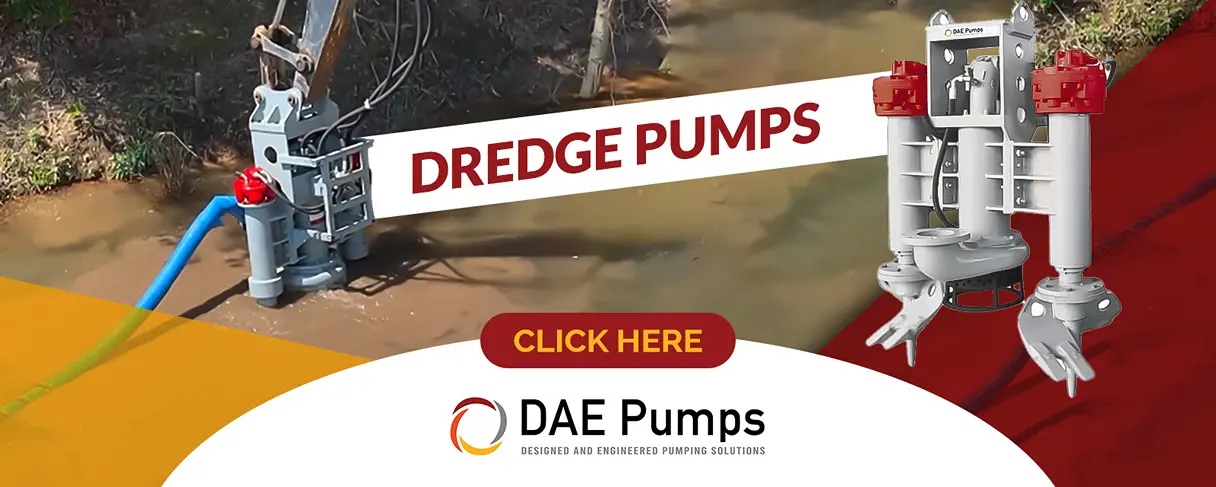
Diesel dredge pumps are prized for their ruggedness, versatility, and independence from grid power. In industries where mobility and high output are essential, diesel-powered suction dredge pumps offer unmatched performance.
Field-Ready Performance in Remote Dredging Projects
From jungle mining camps to desert reclamation sites, diesel dredge pumps can operate without external power sources. Their self-contained nature—complete with onboard fuel tanks, control panels, and engine-driven hydraulics—makes them perfect for field deployment.
These pumps are designed to run continuously in demanding conditions. Heavy-duty frames, corrosion-resistant coatings, and thermal protection systems ensure that diesel dredge pumps endure extreme environments without failure.
Emissions, Efficiency, and Operational Autonomy
Modern diesel dredge pumps are engineered to comply with stringent emission regulations. Tier 4 Final engines use advanced fuel injection and after-treatment systems to minimize particulate and NOx emissions. This makes them suitable for use in both developed and developing regions.
Fuel efficiency is also a key advantage. Variable speed controls and load-sensing hydraulics help match engine output to operational demand, reducing fuel consumption and prolonging service intervals. Diesel dredge pumps thus offer a balance of power and economy.
When to Choose Diesel Over Electric
While electric pumps are suitable for stationary, high-precision dredging, diesel dredge pumps are ideal when:
- Rapid setup and relocation are necessary
- Site access is limited, or the power infrastructure is unavailable
- Variable sediment conditions demand adjustable flow and pressure
- Large-scale material transport is required
These qualities make diesel dredge pumps a first-choice solution in emergency dredging, flood control, and mobile mining operations.
The dredging industry has seen a wave of innovation aimed at improving pump longevity, reducing energy consumption, and enhancing user control. Suction dredge pumps today are smarter, tougher, and more adaptive than ever before.
Wear-Resistant Materials and Impeller Design
Dredge pumps now feature impellers made of high-chrome alloys, rubber coatings, and ceramic composites. These materials resist erosion caused by abrasive particles. Closed impeller designs reduce turbulence, while open and semi-open impellers allow larger solids to pass through without clogging.
Gold dredge suction pumps especially benefit from these designs, as they often operate in sediment-rich environments. Durable components minimize wear and prolong operational cycles between maintenance intervals.
Remote Monitoring and Digital Diagnostics
IoT-enabled control systems allow operators to monitor suction dredge pump performance in real-time. These systems track flow rate, RPM, temperature, and vibration, issuing alerts when thresholds are exceeded. This proactive approach reduces unplanned downtime and improves maintenance planning.
For diesel dredge pumps, remote diagnostics can also include GPS tracking and fuel consumption data. This is especially useful in fleet operations where multiple units are deployed across large areas.
RTK GPS and Automated Platforms
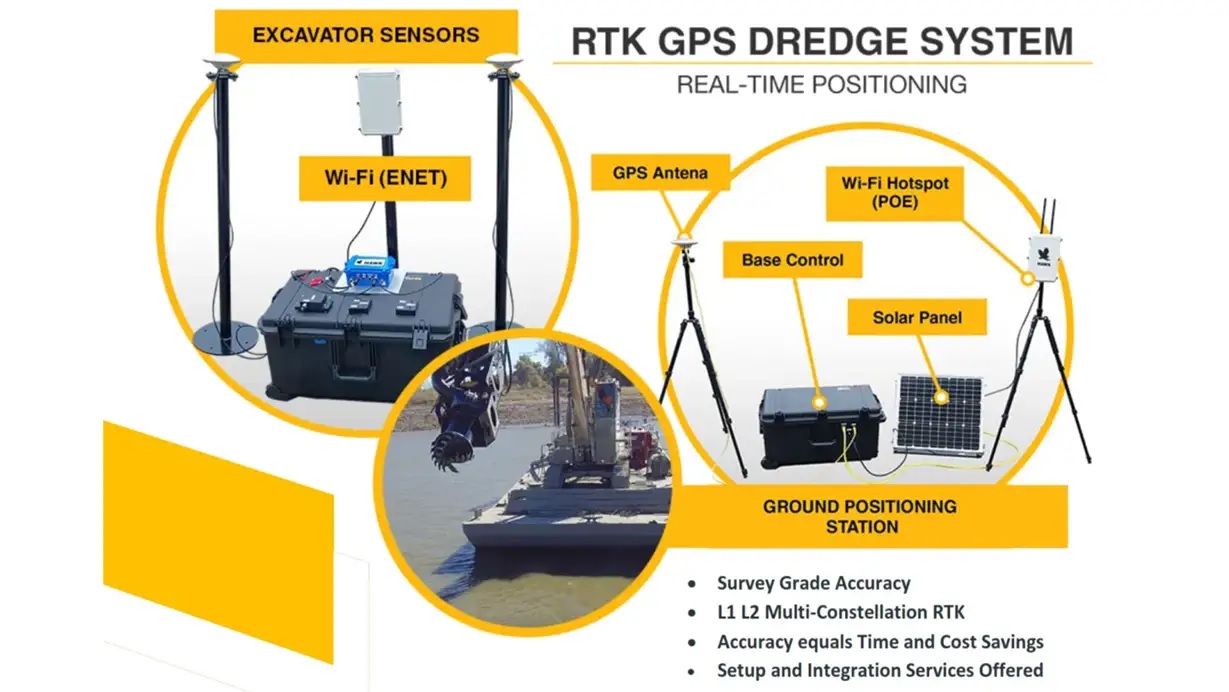
Integration with RTK GPS provides centimeter-level accuracy in excavation and sediment placement. Automated dredge platforms use these signals to maintain the desired dredging depth and track progress, minimizing operator error and over-dredging.
This technology is transforming gold dredge suction pump operations by enabling more accurate resource recovery and reducing environmental impact.
Efficient operation of suction dredge pumps requires thoughtful planning, accurate setup, and continuous monitoring. The following best practices can help maximize system performance and reduce operational risks.
Site Assessment and Sediment Profiling
Before equipment selection, conduct a thorough assessment of site conditions:
- Sediment composition and size distribution
- Static lift and discharge distances
- Environmental constraints and permit requirements
Choosing the right suction dredge pump configuration depends on this data. In gold mining, selecting an appropriately sized gold dredge suction pump can significantly affect recovery rates.
Hose Length, Suction Depth, and Discharge Head
Each component in the pumping system adds resistance. Minimizing hose length and bend radius helps reduce friction loss. Ensure the suction depth is within the pump’s capability to avoid cavitation, which can damage impellers.
Understanding total dynamic head (TDH) is essential when choosing between diesel dredge pumps and electric variants. Matching the system head to the pump capacity ensures steady, efficient operation.
Debris Handling, Priming Techniques, and Backflush Systems
Install trash screens or intake strainers to block large debris. Use priming pumps or vacuum-assisted priming systems to remove air and ensure full suction. Incorporate backflush valves to clear clogs in suction lines quickly.
For gold dredge suction pumps, effective sediment management is crucial. Operating the pump at optimal RPM prevents clogging while maintaining consistent flow to the recovery system.
Even with proper planning, suction dredge pumps may encounter operational issues. Addressing these promptly prevents costly downtime.
Cavitation and Suction Loss
Cavitation occurs when vapor bubbles form due to low pressure at the impeller’s eye. This can lead to pitting and reduced performance. Ensure adequate submergence, minimize suction line restrictions, and monitor NPSH (Net Positive Suction Head).
Abrasive Wear and Pump Failure
Frequent exposure to sand, gravel, and silt wears down impellers and volutes. Use wear plates and replaceable liners to extend pump life. Diesel dredge pumps designed for high-abrasion environments come with reinforced components for longer durability.
System Compatibility and Custom Fabrication
Improper connections, mismatched fittings, and incompatible power supplies can reduce efficiency. Work with a manufacturer like DAE Pumps to customize suction dredge pump systems for your specific project needs.
DAE Pumps has earned a solid reputation as a trusted manufacturer and supplier in the dredging industry. Known for delivering high-performance solutions across multiple sectors—including mining, marine, construction, and municipal applications—DAE offers a wide selection of suction dredge pumps engineered for reliability, efficiency, and versatility. Whether it’s restoring waterways, reclaiming land, or handling high-viscosity slurries, DAE Pumps provides equipment built to meet demanding field conditions.
Engineering Support and Custom-Built Systems
One of DAE’s core strengths lies in its engineering-driven approach. Each dredging solution is backed by a knowledgeable team of engineers who collaborate closely with clients to design equipment that meets exact project needs. For remote or off-grid operations, diesel dredge pumps are available with field-ready configurations, offering unmatched reliability even in extreme environments. For artisanal and commercial mining applications, gold dredge suction pumps are optimized for fine gold recovery, consistent flow rate, and ease of deployment.
DAE also specializes in custom builds, allowing clients to enhance their operations with options such as:
- Slurry flow optimization for better solids handling and reduced clogging
- GPS and automation integration for precise dredging control and data tracking
- Abrasion-resistant materials that extend the lifespan of wear components in high-solid content applications
Overview of Product Lines
DAE Pumps offers a comprehensive lineup of dredging equipment, ensuring solutions for virtually any application or material type. The current product range includes:
- Suction dredge pumps for high-volume sediment removal
- Diesel-powered dredge pumps for off-grid and mobile operations
- Gold dredge suction pumps for mineral recovery and placer mining
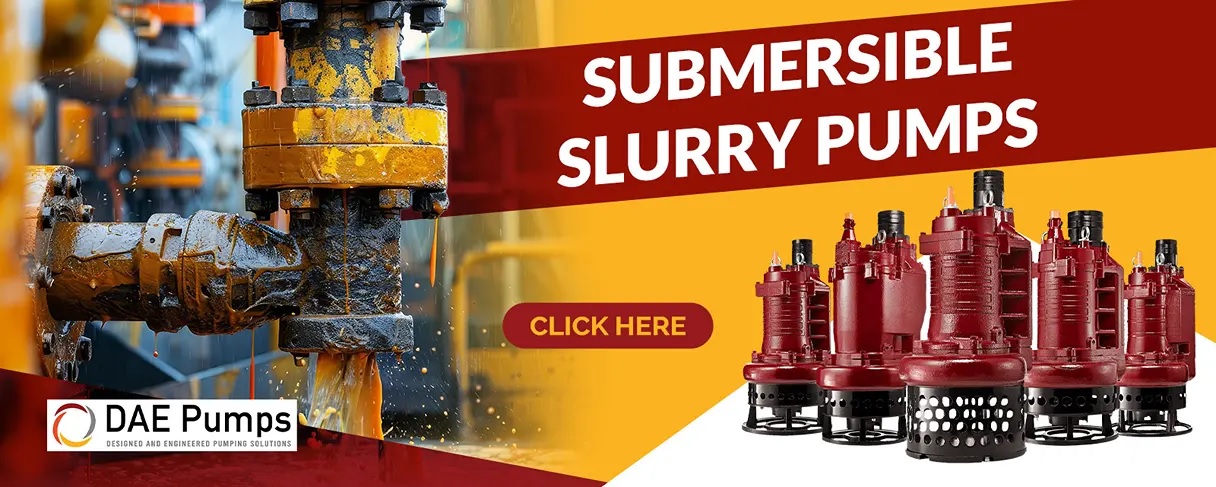
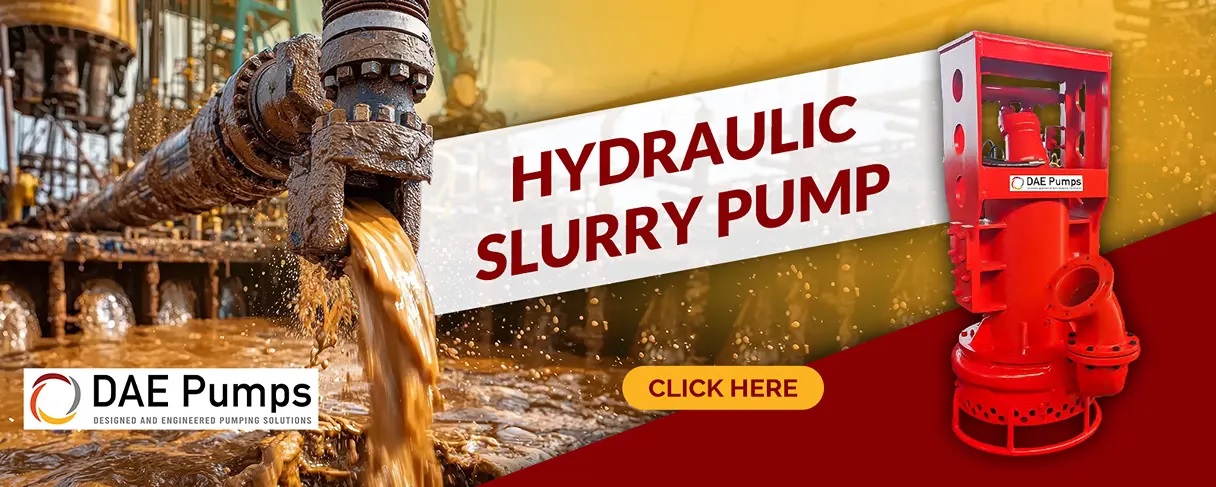
- Submersible slurry pumps are designed for underwater pumping and dewatering
- Booster pumps and a full line of hoses, floats, and accessories to support complete dredge systems
Real-World Testimonials
Across the board, DAE clients report major improvements in efficiency, uptime, and cost savings. One municipality responsible for harbor maintenance shared that downtime was cut in half after switching to DAE’s diesel dredge pumps. Maintenance intervals were extended, while overall productivity increased due to the pump’s robust design and superior solids-handling capabilities. These real-world successes continue to reinforce DAE Pumps’ position as a reliable partner in dredging operations worldwide.
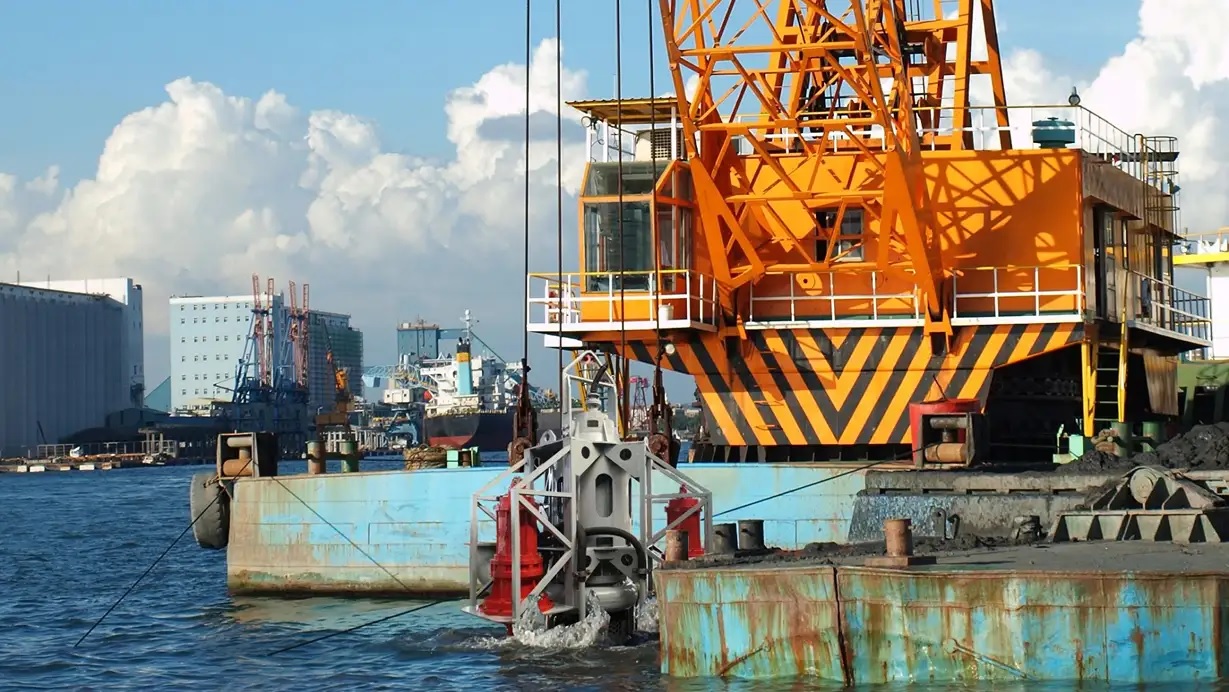
DAE Pumps is committed to empowering engineers, operators, and procurement professionals with a comprehensive range of support resources designed to streamline equipment selection, deployment, and maintenance. With an emphasis on operational efficiency and technical clarity, DAE offers an extensive suite of tools and documentation to help users make informed decisions at every stage of a dredging project.
Calculators, Guides, and Datasheets
Professionals can take advantage of online pump sizing calculators that simplify the selection process based on specific flow rates, head requirements, and slurry characteristics. Maintenance schedules and checklists ensure that routine upkeep is never overlooked, helping to maximize equipment lifespan and performance. Additionally, detailed performance curve datasheets are available for all models, offering accurate data on flow, pressure, and efficiency for precise system integration.
Technical Support and Training
DAE Pumps also provides hands-on assistance through its team of experienced sales engineers, who offer live support for both pre-sales planning and post-installation troubleshooting. Operator training programs-available both on-site and online-help users understand proper usage, safety, and maintenance best practices. To further support field teams, DAE maintains a library of installation and troubleshooting videos, making it easy to resolve issues quickly and confidently.
Suction dredge pumps play a critical role across a wide range of industries, including mining, infrastructure development, marine maintenance, and environmental restoration. These systems are essential for handling abrasive slurries, removing sediment, and reclaiming land with efficiency and precision. With advancements in diesel-powered units, gold dredge suction pump configurations, and integrated monitoring technologies, today’s dredging operations can achieve higher productivity while minimizing downtime and environmental disturbance.
DAE Pumps leads the industry by providing rugged, high-performance equipment built to withstand the toughest conditions. Our suction dredge pumps are trusted globally for their durability, versatility, and ease of deployment—whether you’re working in remote locations, shallow waterways, or high-solids applications. Backed by expert engineering support and custom solutions, DAE delivers unmatched value for dredging professionals.
Ready to take your dredging operations to the next level?
Explore our suction dredge pump lineup or talk to a dredging expert today.