


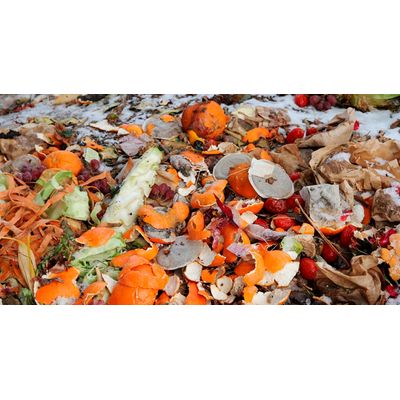
Innovative Waste-to-Resource Solution: Biochar Production from Food Processing Waste Biomass
Introduction
In the vast landscape of the food processing industry, where efficiency and productivity are paramount, the management of waste biomass stands as both a challenge and an opportunity. This article explores a sustainable method for handling food processing waste - the production of biochar. By delving into the intricacies of biochar and its potential applications, we unravel an innovative approach to waste management with far-reaching environmental benefits.
Understanding Biochar
At its core, biochar is a carbon-rich substance derived from organic matter through the process of pyrolysis. This method involves heating biomass in the absence of oxygen, resulting in the transformation of waste into a valuable resource. Biochar stands out as a powerful tool in sustainable agriculture due to its unique properties and ability to sequester carbon effectively.
Significance of Food Processing Waste Biomass
The food processing industry, a vital node in the global supply chain, generates an immense volume of waste biomass. This waste, if improperly managed, poses environmental threats and challenges the industry's commitment to sustainability. Biochar production offers a strategic response to these challenges, turning what was once considered waste into a valuable resource.
Biochar Production Process
Pre-treatment of Food Processing Waste Biomass
- Selection of Biomass Sources: Biochar production begins with a critical step: the selection of suitable biomass sources. Different materials yield different biochar properties, influencing its applications in agriculture. The meticulous choice of biomass ensures optimal outcomes in the pyrolysis process.
- Importance of Proper Sorting and Pre-processing: Before subjecting biomass to pyrolysis, proper sorting and pre-processing play a pivotal role. Removing contaminants and preparing the biomass in a consistent manner enhance the efficiency of the pyrolysis process and the quality of the resulting biochar.
Pyrolysis: Transforming Waste into Biochar
- High Temperature Pyrolysis: Pyrolysis involves subjecting biomass to high temperatures in the absence of oxygen. This controlled process is crucial for breaking down complex organic compounds into stable biochar. The choice of temperature significantly influences the characteristics of the final product.
- Yield and Characteristics of Biochar: The pyrolysis process yields biochar with distinct characteristics, including high carbon content and porous structure. These attributes contribute to biochar's effectiveness in various applications, from soil enhancement to carbon sequestration.
Applications of Biochar
Soil Amendment for Agriculture
- Improving Soil Structure: Biochar enhances soil structure by increasing porosity and water retention. This improved soil structure promotes better root development and nutrient availability for plants, fostering overall soil health.
- Enhancing Nutrient Retention: Biochar's porous nature plays a crucial role in retaining essential nutrients in the soil. It acts as a reservoir, preventing nutrient leaching and ensuring a steady supply to plants over time.
Carbon Sequestration and Climate Change Mitigation
- Biochar as a Carbon Sink: Beyond its role in agriculture, biochar acts as a carbon sink, capturing and storing carbon for an extended period. This property positions biochar as a valuable tool in mitigating greenhouse gas emissions.
- Impact on Greenhouse Gas Emissions: The incorporation of biochar into agricultural practices contributes to reducing the overall greenhouse gas emissions associated with traditional farming methods. It exemplifies a sustainable approach to land use and management.
Challenges and Future Prospects
Technological Challenges in Large-scale Implementation
- Scaling Up Pyrolysis Processes: While the pyrolysis process is well-established on a smaller scale, challenges arise when attempting to implement it on an industrial level. Scaling up pyrolysis processes requires addressing issues related to efficiency, cost-effectiveness, and integration into existing industrial workflows.
- Economic Viability and Industrial Adoption:The economic viability of large-scale biochar production is a crucial consideration. For widespread adoption, the cost-effectiveness of biochar must align with the financial realities of the food processing industry.
Research and Innovation for Continuous Improvement
- Advances in Pyrolysis Technologies: Ongoing research focuses on advancing biomass pyrolysis technologies to improve efficiency and reduce environmental impacts. Innovations in reactor design and process optimization contribute to the continuous improvement of biochar production.
- Exploring New Biomass Sources: Diversifying biomass sources for biochar production is a pathway for optimizing the process. Research explores alternative feedstocks, considering regional availability and environmental impact, to further enhance the sustainability of biochar production.
In conclusion, the treatment of food processing waste biomass through biochar production emerges as a beacon of sustainability in the industry. From transforming waste into a valuable agricultural amendment to contributing to global carbon sequestration efforts, biochar showcases the potential of turning challenges into opportunities. As technological advancements continue and the industry embraces innovative solutions, biochar stands poised to play a pivotal role in shaping the future of sustainable waste management.