


- Home
- Companies
- Aimix Group Co., Ltd
- Articles
- Installing a Rubber Tyred Gantry Crane
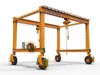
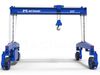
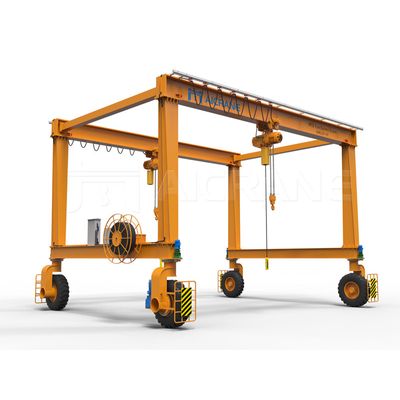
Installing a Rubber Tyred Gantry Crane
Installing a rubber tyred gantry crane is a complex and critical task that requires careful planning, attention to detail, and adherence to safety protocols. Rubber tyred gantry cranes are large, heavy-duty pieces of equipment used in container terminals, logistics centers, and shipping yards to lift and transport containers with precision and efficiency. Whether you're installing a new rubber tyred gantry crane or relocating an existing one, here are some valuable tips to ensure a successful installation process:
Plan Ahead
Before starting the installation, carefully plan the layout and placement of the rubber tyred gantry crane within the terminal or yard. Consider factors such as operational requirements, container storage capacity, traffic flow, and safety clearances. Consult with engineers, architects, and stakeholders to develop a comprehensive installation plan that meets all regulatory requirements and operational needs.
Site Preparation
Prepare the installation site by ensuring that the ground is level, stable, and capable of supporting the weight of the crane and its load. Clear the area of any debris, obstructions, or underground utilities that may interfere with the installation process. Install foundation pads or footings as necessary to provide a stable base for the crane.
Review Manufacturer Guidelines
Familiarize yourself with the manufacturer's installation guidelines, specifications, and recommendations for the rubber tyred gantry crane. The manufacturer's documentation contains important information about crane assembly, alignment, calibration, and testing procedures. Follow these guidelines closely to ensure proper installation and optimal performance of the crane.
Assemble Components
Begin the installation process by assembling the major components of the rubber tyred gantry crane, including the gantry structure, trolley, hoist, boom, and control cabin. Follow the manufacturer's instructions and use appropriate tools and equipment to assemble each component accurately and securely. Ensure that all bolts, nuts, and fasteners are tightened to the specified torque settings.
Lift and Position
Use heavy-duty lifting equipment, such as cranes or forklifts, to lift and position the assembled components into place. Take care to lift the components evenly and avoid overloading or stressing any individual part. Use slings, straps, or rigging equipment to secure the components during lifting and positioning to prevent accidents or damage.
Align and Level
Once the major components are in place, carefully align and level the crane to ensure proper operation and stability. Use precision leveling tools, such as spirit levels or laser levels, to adjust the position of the crane and ensure that it is plumb and square. Pay attention to the alignment of the wheels, rails, and gantry structure to minimize wear and ensure smooth operation.
Install Electrical and Hydraulic Systems
Install and connect the electrical and hydraulic systems of the rubber tyred gantry crane, including power cables, control panels, sensors, actuators, and hydraulic hoses. Follow proper wiring and plumbing practices to prevent electrical shorts, hydraulic leaks, or malfunctions. Test each system individually and verify proper operation before proceeding to the next step.
Test and Commission
Once the crane is fully assembled and all systems are installed, conduct comprehensive tests and commissioning procedures to verify that the crane operates safely and efficiently. Test the hoist, trolley, gantry movement, brakes, safety features, and emergency stop controls under various load conditions. Conduct load tests to confirm the crane's lifting capacity and stability.
Training and Certification
Provide training and certification for operators and maintenance personnel before putting the rubber tyred gantry crane into service. Ensure that operators are familiar with the crane's controls, safety procedures, and emergency protocols. Train maintenance personnel on routine inspection, lubrication, and maintenance tasks to keep the crane in optimal condition.
Regular Maintenance and Inspection
Implement a regular maintenance and inspection schedule to ensure the ongoing safety and reliability of the rubber tyred gantry crane. Conduct daily, weekly, and monthly inspections of critical components, such as brakes, cables, bearings, and structural elements. Lubricate moving parts, clean filters, and replace worn or damaged parts as needed to prevent breakdowns and extend the crane's lifespan.
By following these tips for installing a rubber tyred gantry crane, you can ensure a smooth and successful installation process while maintaining the safety, reliability, and efficiency of the crane in your container terminal or shipping yard. Proper planning, meticulous execution, and ongoing maintenance are essential for maximizing the performance and longevity of the RTG crane and optimizing container handling operations.