


- Home
- Companies
- Aimix Group Co., Ltd
- Articles
- Installing Heavy Duty Boat Winch on a ...
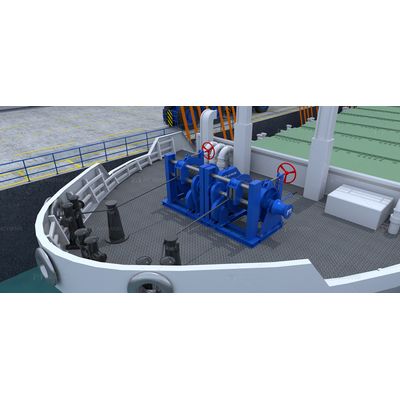
Installing Heavy Duty Boat Winch on a Vessel
Installing a heavy duty boat winch on a vessel is a crucial task that requires careful planning, precise execution, and adherence to safety standards. A heavy duty boat winch is essential for various marine operations, including anchor handling, mooring, towing, and cargo handling. Proper installation ensures the winch's functionality, reliability, and safety during marine activities. Here's a comprehensive guide on how to install a heavy duty boat winch on a vessel:
Pre-Installation Preparation
Before beginning the installation process, gather all necessary tools, equipment, and materials required for the job. Ensure that you have the manufacturer's installation manual or guidelines specific to the heavy duty boat winch model being installed. Conduct a thorough inspection of the vessel's deck or mounting area to assess space availability, structural integrity, and suitability for mounting the winch.
Select Mounting Location
Identify the optimal mounting location for the heavy duty boat winch based on operational requirements, deck layout, structural strength, and accessibility. Consider factors such as clearance space, proximity to anchor or towing points, ease of maintenance, and visibility for operators. Ensure that the mounting location can support the weight and forces exerted by the winch during operation.
Prepare Mounting Foundation
Prepare the mounting foundation by cleaning the deck surface and removing any obstacles, debris, or corrosion. If necessary, reinforce the mounting area with additional structural support, backing plates, or reinforcement beams to ensure stability and load-bearing capacity. Verify that the mounting foundation is level, aligned, and securely fastened to the vessel's structure.
Install Base Plate or Mounting Bracket
Depending on the winch design and manufacturer specifications, install a base plate or mounting bracket onto the prepared mounting foundation. Use high-strength bolts, nuts, washers, and locking devices to secure the base plate or bracket firmly in place. Follow the recommended torque settings and fastening procedures provided by the winch manufacturer.
Mount Winch Assembly
Position the heavy duty boat winch assembly onto the installed base plate or mounting bracket. Align the winch with anchor or towing points as required for operational functionality. Secure the winch to the base plate or bracket using appropriate mounting hardware, ensuring a tight and stable connection. Check for proper alignment, clearance, and accessibility of winch controls and components.
Connect Power and Control Systems
Connect the power supply and control systems to the heavy duty boat winch according to the manufacturer's wiring diagrams and instructions. Use marine-grade electrical cables, connectors, terminals, and protective conduit to ensure safe and reliable electrical connections. Test the winch's power supply, control functions, and safety features to verify proper operation.
Install Safety Features
Install essential safety features and accessories such as emergency stop buttons, overload protection systems, limit switches, and safety guards as required by regulatory standards and operational needs. Ensure that all safety devices are functional, clearly labeled, and accessible to operators during winch operation.
Perform Operational Tests
Conduct comprehensive operational tests and functional checks of the heavy duty boat winch after installation. Test various winch functions, including lifting, lowering, spooling, and emergency stop capabilities. Verify load capacity, speed settings, brake performance, and alignment with operational requirements. Address any issues or anomalies detected during testing.
Securely Anchor and Seal Components
Securely anchor and seal all winch components, cables, and connections to prevent vibration, movement, or water ingress during vessel operation. Use appropriate sealants, gaskets, and fasteners to protect electrical components, motor housing, gearbox, and control panels from environmental exposure and corrosion.
Provide Operator Training
Once the heavy duty boat winch installation is complete, provide comprehensive training to operators on winch operation, safety procedures, maintenance requirements, and emergency protocols. Familiarize operators with winch controls, load handling techniques, troubleshooting methods, and response to critical situations.
Document Installation and Maintenance Records
Maintain detailed documentation of the heavy duty boat winch installation process, including equipment specifications, installation steps, testing results, safety certifications, and maintenance schedules. Keep records of maintenance activities, repairs, spare parts, and inspections for regulatory compliance and warranty purposes.
By following these installation guidelines and best practices, you can ensure a successful and reliable installation of a heavy duty boat winch on a vessel. Proper installation, testing, maintenance, and training contribute to the winch's performance, longevity, and safety during marine operations, enhancing overall operational efficiency and effectiveness on board the vessel.