


- Home
- Companies
- Aimix Group Co., Ltd
- Articles
- Maintaining 25 Ton Gantry Crane
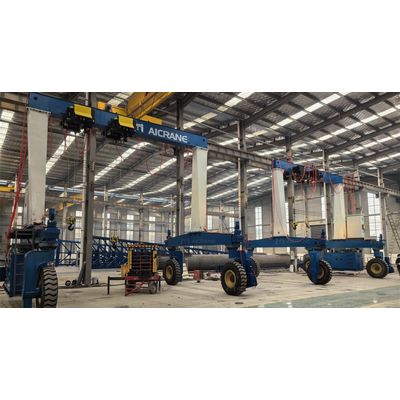
Maintaining 25 Ton Gantry Crane
Maintaining a 25 ton gantry crane is essential to ensure its safe and efficient operation while prolonging its lifespan. Proper maintenance practices involve regular inspections, cleaning, lubrication, and repair of components. Here is a comprehensive guide on how to maintain a 25 ton gantry crane:
Establish a Maintenance Schedule
Create a maintenance schedule outlining routine tasks, such as daily, weekly, monthly, and annual inspections and maintenance activities.
Assign responsibilities to qualified personnel for conducting inspections, servicing, and repairs.
Daily Inspections
Conduct visual inspections of the gantry crane before each shift to check for any visible signs of wear, damage, or malfunction.
Inspect electrical components, such as wires, cables, and connections, for signs of overheating, corrosion, or loose connections.
Check safety devices, including limit switches, emergency stop buttons, and overload protection systems, to ensure they are functioning correctly.
Examine structural components, such as beams, rails, and joints, for cracks, deformation, or misalignment.
Regular Lubrication
Lubricate moving parts, such as wheels, bearings, gears, and tracks, according to the manufacturer's recommendations and schedule.
Use appropriate lubricants, such as grease or oil, to reduce friction, prevent wear, and maintain smooth operation.
Clean and remove old lubricants before applying fresh lubrication to ensure optimal performance and longevity of components.
Cleaning and Debris Removal
Regularly clean the gantry crane and its components, including the hoist, trolley, and runway, to remove dirt, dust, and debris.
Use compressed air, brushes, and cleaning solutions to clean electrical panels, motor enclosures, and control mechanisms.
Remove any obstructions or foreign objects from the crane's path, runway, or lifting area to prevent accidents and damage to equipment.
Electrical System Checks
Inspect electrical panels, wiring, and connections for signs of wear, corrosion, or insulation damage.
Test electrical components, such as contactors, relays, fuses, and circuit breakers, to ensure they are functioning properly.
Check voltage levels, phase balance, and grounding to maintain electrical safety and prevent malfunctions.
Structural Integrity
Monitor the structural integrity of the gantry crane, including beams, columns, braces, and connections, for signs of fatigue, rust, or corrosion.
Conduct non-destructive testing, such as ultrasonic testing or visual inspections, to detect any hidden defects or weaknesses in structural components.
Repair or replace damaged or deteriorated structural elements promptly to prevent safety hazards and structural failures.
Hoist and Trolley Maintenance
Inspect the hoist mechanism, including hooks, ropes, chains, and lifting attachments, for wear, stretching, or deformation.
Test the hoist's lifting capacity and overload protection systems regularly to ensure safe lifting operations.
Check the trolley's wheels, brakes, and travel mechanisms for smooth and controlled movement along the runway.
Safety Device Testing
Test and calibrate safety devices, such as load limiters, anti-collision systems, and emergency braking systems, to verify their accuracy and functionality.
Conduct emergency stop tests and simulate emergency scenarios to evaluate the crane's response and safety measures.
Record Keeping and Documentation
Maintain detailed records of maintenance activities, inspections, repairs, and equipment history.
Document any maintenance issues, safety concerns, or equipment failures for analysis, troubleshooting, and improvement.
Keep track of spare parts inventory, maintenance schedules, and service contracts for proactive maintenance planning.
Training and Awareness
Provide training and instruction to crane operators, maintenance personnel, and other stakeholders on safe operating practices, maintenance procedures, and emergency protocols.
Promote awareness of safety hazards, risks, and best practices to prevent accidents, injuries, and equipment damage.
By following these maintenance practices and guidelines, you can ensure the safe, reliable, and efficient operation of a 25 ton gantry crane. Regular inspections, proper lubrication, cleaning, structural checks, and adherence to safety standards are crucial for maintaining crane performance and longevity while minimizing downtime and risks.