


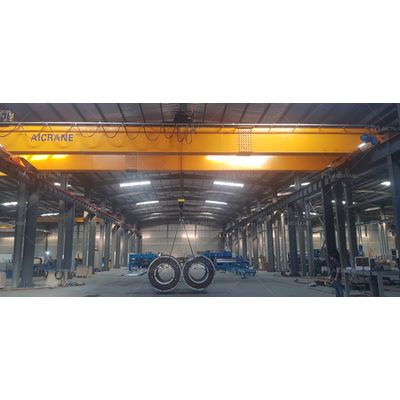
Maintaining 40 Ton Bridge Crane
Maintaining a 40 ton bridge crane is essential to ensure its safe and efficient operation while prolonging its lifespan. A well-maintained crane not only enhances productivity but also minimizes downtime and reduces the risk of accidents. Proper maintenance involves regular inspections, preventive measures, and timely repairs. In this guide, we'll outline the key steps and best practices for maintaining a 40 ton bridge crane.
Establish a Maintenance Schedule
Begin by establishing a comprehensive maintenance schedule for the 40 ton bridge crane. Determine the frequency of inspections, lubrication tasks, component checks, and major overhauls based on the crane's usage, operating conditions, and manufacturer's recommendations. Create a maintenance calendar or checklist to track tasks and ensure they are performed on schedule.
Perform Daily Visual Inspections
Conduct daily visual inspections of the crane before each shift to identify any visible signs of wear, damage, or abnormalities. Check for loose bolts, nuts, or fasteners, worn-out cables or ropes, leaks in hydraulic systems, and any unusual sounds or vibrations during operation. Inspect safety devices, controls, and warning signs for proper functionality.
Lubrication and Greasing
Regularly lubricate moving parts, bearings, gears, and mechanical components of the crane to reduce friction, prevent wear, and ensure smooth operation. Use the appropriate lubricants and greases recommended by the crane manufacturer. Follow lubrication schedules and apply lubricants according to specified intervals and quantities.
Inspect Electrical Components
Inspect electrical components, wiring, connections, and control panels for signs of corrosion, overheating, or damage. Check for loose electrical connections, worn-out cables, and damaged insulation. Test electrical systems, limit switches, sensors, and emergency stop buttons for proper functionality and responsiveness.
Check Structural Integrity
Examine the structural integrity of the crane, including beams, columns, rails, and supports. Look for signs of rust, corrosion, cracks, or deformation in structural components. Ensure that the crane's structural elements are stable, aligned, and capable of supporting the rated load capacity without deflection or distortion.
Monitor Hydraulic Systems
Inspect hydraulic systems, cylinders, hoses, and seals for leaks, fluid levels, and pressure. Check hydraulic pumps, valves, and actuators for proper operation and responsiveness. Test hydraulic brakes, hoists, and lifting mechanisms for smooth and controlled movement.
Check Safety Devices and Features
Verify the functionality of safety devices and features, such as overload protection systems, emergency stop buttons, limit switches, anti-collision devices, and warning alarms. Test emergency braking systems, load-sensing devices, and automatic shutdown mechanisms to ensure they activate correctly during abnormal conditions.
Inspect Wire Ropes or Cables
Regularly inspect wire ropes or cables used for lifting operations. Check for broken strands, kinks, twists, or signs of wear along the length of the ropes. Measure rope diameters and compare them to manufacturer's specifications to determine if replacement is necessary. Lubricate wire ropes to reduce friction and prolong service life.
Perform Load Testing
Conduct periodic load testing of the crane to verify its lifting capacity, stability, and performance under load. Gradually apply incremental loads to the crane and monitor its response, including hoisting, lowering, and traveling movements. Ensure that the crane operates within rated capacities and safety margins.
Record Maintenance Activities
Maintain detailed records of all maintenance activities, inspections, repairs, and component replacements performed on the 40 ton bridge crane. Keep track of maintenance schedules, service logs, inspection reports, and parts inventory. Document any findings, observations, or recommendations for future maintenance planning.
Address Issues Promptly
Address any identified issues, defects, or malfunctions promptly to prevent further damage or safety risks. Prioritize repairs, replacements, or adjustments based on the severity of the issue and potential impact on crane performance. Consult with qualified technicians or engineers for complex repairs or troubleshooting tasks.
Training and Operator Awareness
Provide comprehensive training to crane operators, maintenance personnel, and supervisors on proper crane maintenance procedures, safety protocols, and equipment operation. Encourage operator awareness and vigilance in reporting any abnormal conditions, equipment issues, or safety concerns promptly.
By following these maintenance practices and guidelines, operators and maintenance personnel can ensure the safe, reliable, and efficient operation of a 40 ton bridge crane. Regular maintenance not only extends the crane's lifespan but also enhances workplace safety, productivity, and overall equipment performance. Collaborate with qualified technicians, adhere to manufacturer's recommendations, and prioritize safety in all maintenance activities to maximize crane reliability and minimize downtime.