


- Home
- Companies
- Aimix Group Co., Ltd
- Articles
- Maintaining a Rubber Gantry Crane
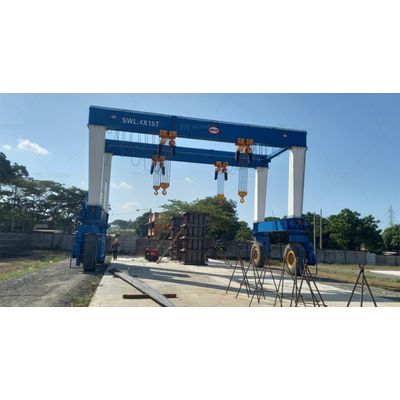
Maintaining a Rubber Gantry Crane
Maintaining a rubber gantry crane is essential for ensuring its safe and efficient operation in port and container terminal environments. These versatile cranes play a crucial role in handling containers, loading and unloading cargo ships, and transferring containers between storage yards and transport vehicles. Proper maintenance helps prevent breakdowns, reduces downtime, and extends the lifespan of rubber gantry cranes. Here's a comprehensive guide on how to maintain a rubber gantry crane:
Develop a Maintenance Plan
Start by developing a comprehensive maintenance plan for the rubber gantry crane, outlining routine inspections, preventive maintenance tasks, and servicing intervals. Consider factors such as manufacturer recommendations, operational usage, environmental conditions, and regulatory requirements when determining the maintenance frequency.
Inspect Structural Components
Conduct regular visual inspections of the rubber gantry crane's structural components, including the main frame, boom, spreader, legs, and chassis. Look for signs of wear, corrosion, cracks, or deformation that may indicate structural weaknesses or potential failures.
Check for loose or damaged bolts, welds, and connections, and tighten or repair them as needed to maintain structural integrity. Inspect the rubber tires for wear, cuts, or punctures, and replace any damaged tires to ensure smooth and stable operation.
Monitor Mechanical Systems
Inspect the mechanical systems of the rubber gantry crane, including hoisting, trolley travel, and gantry drive mechanisms, for signs of wear, misalignment, or malfunction. Lubricate moving parts, such as gears, bearings, and chains, according to manufacturer recommendations to ensure smooth operation and prevent premature wear.
Check hydraulic systems for leaks, pressure fluctuations, and fluid levels, and perform hydraulic fluid analysis to detect contaminants or degradation. Replace worn seals, hoses, and filters, and bleed air from the system to maintain hydraulic performance.
Inspect Electrical Components
Inspect electrical components of the rubber gantry crane, including motors, brakes, limit switches, sensors, and control panels, for signs of damage, overheating, or electrical faults. Tighten electrical connections, clean terminals, and replace worn or damaged components to prevent electrical failures.
Test emergency stop systems, overload protection devices, and safety interlocks to ensure they are functioning correctly and comply with safety standards and regulations.
Perform Tire Maintenance
Pay special attention to the rubber tires of the gantry crane, as they are critical for supporting the crane's weight and providing traction on paved surfaces. Inspect the tires for wear, cuts, bulges, or other damage that may affect performance.
Maintain proper tire pressure and ensure that tires are evenly inflated to distribute the load evenly and minimize stress on the tires and wheels. Rotate tires periodically to promote even wear and extend tire life. Replace worn or damaged tires promptly to prevent accidents and downtime.
Implement Safety Inspections
Prioritize safety inspections of the rubber gantry crane to identify potential hazards, safety risks, and compliance issues. Inspect access platforms, walkways, handrails, and safety signage for damage, corrosion, or obstructions that may pose a safety threat to operators or maintenance personnel.
Ensure that safety devices, such as emergency stop buttons, warning lights, alarms, and audible signals, are functional and clearly visible. Conduct regular training and safety awareness programs for crane operators and maintenance staff to promote safe working practices and accident prevention.
Document Maintenance Activities
Maintain detailed records of all maintenance activities, including inspection reports, service records, repair logs, and equipment upgrades. Document maintenance procedures, parts replacements, and compliance with regulatory requirements for auditing, reporting, and reference purposes.
Use computerized maintenance management systems (CMMS) or maintenance software to schedule, track, and manage maintenance tasks, work orders, and spare parts inventory more efficiently.
Continuous Improvement and Training
Implement a continuous improvement process to identify areas for optimization, efficiency gains, and cost savings in rubber gantry crane maintenance. Analyze maintenance data, performance metrics, and feedback from operators and maintenance personnel to identify opportunities for improvement.
Provide ongoing training and professional development opportunities for maintenance technicians and operators to enhance their skills, knowledge, and proficiency in rubber gantry crane maintenance and operation.
In conclusion, maintaining a rubber gantry crane requires a proactive and systematic approach to inspection, lubrication, adjustment, repair, and documentation. By following these guidelines and best practices, crane operators and maintenance personnel can ensure safe, efficient, and productive crane operations while minimizing risks to personnel and equipment. Continuous training, communication, and vigilance are essential for maintaining a safe working environment and preventing accidents in rubber gantry crane operations.