


- Home
- Companies
- Aimix Group Co., Ltd
- Articles
- Maintaining a Steel Structure Workshop
Maintaining a Steel Structure Workshop
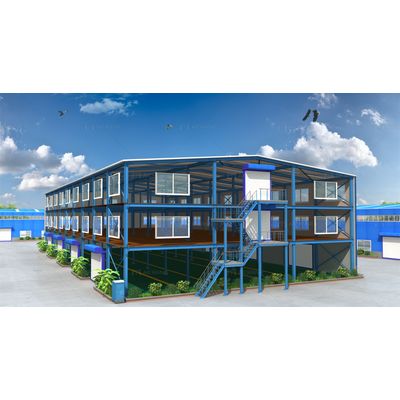
Maintaining a steel structure workshop is crucial for ensuring its longevity, safety, and efficient operation. Proper maintenance practices can also help prevent costly repairs, downtime, and potential hazards. In this comprehensive guide, we will explore essential steps and best practices for maintaining a steel structure workshop effectively.
Regular Inspection and Assessment
The first step in maintaining a steel structure workshop is to conduct regular inspections and assessments of the entire facility. Inspect the structural components, such as beams, columns, trusses, and joints, for signs of corrosion, wear, deformation, or damage. Check the roof, walls, doors, windows, and flooring for leaks, cracks, rust, or deterioration. Assess the overall condition of the building, including ventilation, lighting, drainage systems, and fire safety equipment.
Cleanliness and Housekeeping
Maintain a clean and organized workshop environment to prevent debris, dust, dirt, and contaminants from accumulating on surfaces, equipment, and structural elements. Implement regular cleaning schedules for floors, walls, ceilings, windows, machinery, tools, and storage areas. Use appropriate cleaning agents, equipment, and techniques to remove grease, oil, stains, and residues effectively. Proper housekeeping practices can improve safety, hygiene, and productivity in the workshop.
Corrosion Protection and Rust Prevention
Steel structures are susceptible to corrosion and rust, especially in humid or corrosive environments. Apply protective coatings, paints, or sealants to exposed steel surfaces to prevent corrosion, rust formation, and deterioration. Conduct periodic inspections of painted surfaces, touch up any damaged areas, and reapply protective coatings as needed. Consider using corrosion-resistant materials, galvanized steel, or stainless steel for critical components exposed to harsh conditions.
Structural Repairs and Reinforcement
Address any structural issues, defects, or damage promptly to prevent further deterioration and ensure structural integrity. Repair or replace damaged or corroded steel components, such as beams, columns, braces, and connections, using approved welding, cutting, or fabrication methods. Reinforce weak or vulnerable areas with additional bracing, supports, or strengthening measures to enhance structural stability and load-bearing capacity.
HVAC and Ventilation Systems Maintenance
Maintain heating, ventilation, and air conditioning (HVAC) systems to provide a comfortable, safe, and healthy working environment in the steel structure workshop. Clean or replace air filters, ducts, fans, and vents regularly to improve air quality, airflow, and temperature control. Inspect HVAC equipment for leaks, malfunctions, or inefficiencies, and schedule routine maintenance, repairs, or upgrades as necessary.
Electrical and Lighting Systems Inspection
Ensure that electrical systems, wiring, outlets, switches, and lighting fixtures comply with safety standards and regulations. Inspect electrical components for signs of wear, damage, overheating, or malfunction, and address any issues promptly. Maintain proper lighting levels in the workshop to enhance visibility, safety, and productivity. Replace faulty or outdated electrical equipment, bulbs, and fixtures with energy-efficient alternatives.
Fire Safety and Emergency Preparedness
Implement fire safety measures, equipment, and protocols to minimize the risk of fires and ensure the safety of personnel and assets in the steel structure workshop. Install fire extinguishers, smoke detectors, alarms, sprinkler systems, and emergency exits according to building codes and regulations. Conduct regular fire drills, training sessions, and safety inspections to educate employees and prepare them for emergencies.
Equipment Maintenance and Calibration
Maintain and calibrate workshop equipment, machinery, tools, and instruments regularly to ensure optimal performance, accuracy, and reliability. Follow manufacturer guidelines, maintenance schedules, and procedures for inspecting, lubricating, adjusting, and testing equipment. Keep records of maintenance activities, repairs, replacements, and calibration results to track equipment health and compliance with safety standards.
Environmental Management and Waste Disposal
Manage environmental impacts, waste generation, and hazardous materials properly in the steel structure workshop. Implement recycling programs, waste segregation, and disposal practices to minimize environmental pollution and comply with regulatory requirements. Store and handle chemicals, lubricants, fuels, and hazardous substances safely to prevent spills, leaks, or contamination.
Training and Safety Awareness
Provide training, education, and safety awareness programs for employees, contractors, and visitors working in or around the steel structure workshop. Train personnel on proper equipment use, handling techniques, safety procedures, emergency protocols, and hazard mitigation measures. Promote a culture of safety, responsibility, and accountability to prevent accidents, injuries, and incidents in the workplace.
In conclusion, maintaining a steel structure workshop requires a comprehensive approach that encompasses regular inspections, cleanliness, corrosion protection, structural repairs, HVAC maintenance, electrical safety, fire prevention, equipment upkeep, environmental management, and safety training. By implementing these maintenance practices and best practices, workshop owners and operators can ensure the longevity, reliability, safety, and efficiency of their facilities while minimizing risks, costs, and downtime. Collaboration with experienced professionals, contractors, and service providers can also enhance maintenance efforts and optimize workshop performance.