


- Home
- Companies
- Aimix Group Co., Ltd
- Articles
- Maintaining and Fixing Rail of Rail ...
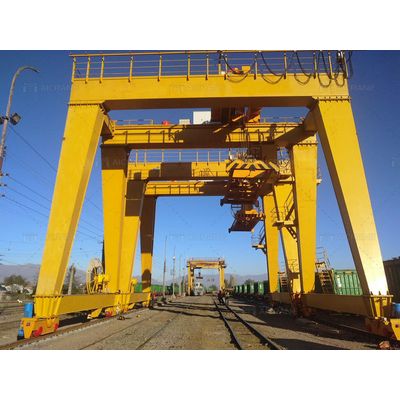
Maintaining and Fixing Rail of Rail Mounted Gantry Crane
Maintaining and fixing the rail of a rail mounted crane is essential to ensure smooth and safe operations in industrial settings. Rail mounted cranes, also known as overhead cranes or bridge cranes, rely on sturdy rails for movement along the crane runway or track. Proper maintenance and timely repairs of these rails are critical to prevent accidents, minimize downtime, and extend the crane's lifespan. Here's a comprehensive guide on how to maintain and fix the rail of a rail mounted crane:
Regular Inspections
Conduct regular visual inspections of the rail system to identify any signs of wear, damage, or misalignment. Inspect the rails, rail joints, rail fasteners, track alignment, and support structures for any abnormalities or issues.
Check Rail Alignment
Ensure that the rails are properly aligned and parallel to each other along the crane's travel path. Misaligned rails can cause excessive wear on crane wheels, increase friction, and lead to operational issues. Use precision measurement tools to check rail alignment and make adjustments as needed.
Inspect Rail Joints and Fasteners
Examine rail joints and fasteners for tightness, alignment, and integrity. Loose or damaged rail joints can cause instability, vibrations, and premature wear. Tighten loose fasteners, replace damaged bolts or clips, and ensure proper alignment of rail joints to maintain structural integrity.
Clean the Rail Surface
Keep the rail surfaces clean and free from debris, dirt, grease, and obstructions. Dirty or contaminated rails can cause wheel slippage, reduce traction, and affect crane movement. Use appropriate cleaning methods such as brushing, scraping, or pressure washing to remove debris and maintain a smooth rail surface.
Lubricate Rail and Crane Wheels
Apply lubrication to the rail surfaces and crane wheels to reduce friction, prevent corrosion, and promote smooth movement. Use lubricants recommended by the crane manufacturer and follow lubrication schedules to ensure proper maintenance. Avoid over-lubrication, as excess lubricant can attract dust and debris.
Inspect Crane Wheels
Regularly inspect crane wheels for wear, damage, or uneven tread patterns. Worn or damaged wheels can cause irregular movement, vibrations, and track wear. Replace worn-out wheels, adjust wheel alignment, and ensure proper wheel-to-rail contact for optimal performance.
Monitor Track Wear and Tear
Keep track of rail wear and tear by measuring rail head wear, gauge width, and overall track condition. Use wear indicators, calipers, or ultrasonic testing devices to assess track wear and predict maintenance needs. Plan for timely rail replacements or repairs to prevent excessive wear and structural damage.
Address Corrosion and Rust
Inspect rail surfaces for signs of corrosion, rust, or pitting caused by environmental factors or exposure to harsh conditions. Remove rust, clean affected areas, and apply rust inhibitors or protective coatings to prevent further corrosion and extend rail life.
Perform Periodic Rail Grinding
Conduct periodic rail grinding or profiling to remove surface irregularities, corrugations, and weld flash. Rail grinding helps maintain a smooth rail profile, reduces wear on crane wheels, and improves traction and stability during crane operations. Follow recommended grinding procedures and safety guidelines.
Check Rail Expansion Joints
Inspect rail expansion joints for proper functioning, alignment, and sealing. Expansion joints allow for thermal expansion and contraction of rails without causing structural damage. Ensure that joints are free from debris, properly lubricated, and sealed to prevent water ingress and corrosion.
Monitor Crane Operation and Performance
Continuously monitor crane operation, performance, and track conditions during use. Pay attention to any unusual noises, vibrations, or deviations in crane movement that may indicate track or rail problems. Conduct periodic load tests and functional checks to verify crane performance and track alignment.
Plan for Scheduled Maintenance
Develop a comprehensive maintenance schedule and plan for scheduled rail maintenance, inspections, and repairs. Include routine tasks such as cleaning, lubrication, alignment checks, and track profiling in the maintenance schedule. Follow manufacturer recommendations and guidelines for maintenance intervals and procedures.
In case of rail damage or significant wear, follow these steps to fix rail issues:
Assess Damage Severity
Evaluate the extent and severity of rail damage, such as cracks, breaks, or excessive wear. Determine whether repairs can be performed on-site or if professional assistance is required.
Repair or Replace Damaged Sections
For minor rail damage, perform repairs such as welding, grinding, or patching to restore rail integrity. Use appropriate welding techniques, materials, and safety precautions when repairing rail sections.
Consider Rail Replacement
If rail damage is extensive or compromises structural integrity, consider replacing damaged rail sections or the entire rail length. Use high-quality replacement rails that meet industry standards and specifications.
Follow Safety Protocols
When performing rail repairs or replacements, adhere to safety protocols, lockout/tagout procedures, and crane manufacturer guidelines. Use proper personal protective equipment (PPE), work in teams, and follow established safety procedures to prevent accidents and injuries.
Conduct Post-Repair Inspections
After completing rail repairs or replacements, conduct thorough inspections and tests to ensure proper alignment, structural integrity, and functionality. Verify crane operation, track clearances, wheel-to-rail contact, and load-bearing capacity to confirm that repairs were successful.
Document Repairs and Maintenance
Keep detailed records of rail maintenance, repairs, inspections, and replacements. Document maintenance activities, repair procedures, parts used, inspection findings, and post-repair testing results. Maintain a maintenance log and historical records for reference and compliance purposes.
By following these maintenance and repair guidelines, you can ensure the safe and reliable operation of rail mounted cranes, minimize downtime, and prolong the lifespan of rail systems in industrial environments. Regular inspections, proactive maintenance, timely repairs, and adherence to safety protocols are key to optimizing rail performance and enhancing crane safety and efficiency.