


Maintaining Hydraulic System of 50 Ton Hydraulic Winch
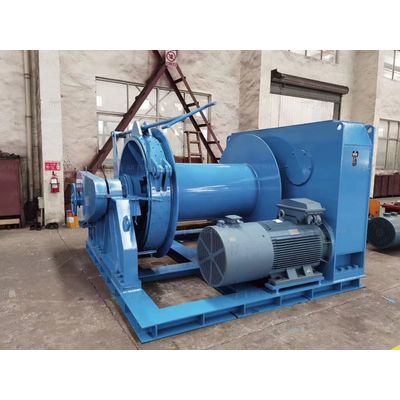
Maintaining a hydraulic system for a 50 ton hydraulic winch is crucial to ensure its optimal performance, longevity, and safety. Hydraulic winches are commonly used in heavy-duty applications such as marine, construction, and industrial settings. Proper maintenance helps prevent malfunctions, leaks, and costly repairs while maximizing efficiency and reliability. Here's a comprehensive guide on how to maintain the hydraulic system of a 50 ton hydraulic winch:
Regular Inspections
Perform regular visual inspections of the entire hydraulic system, including hoses, fittings, valves, cylinders, reservoir, and hydraulic fluid level. Look for signs of leaks, corrosion, wear, loose connections, or damaged components. Address any issues promptly to prevent further damage or system failure.
Check Hydraulic Fluid
Monitor the hydraulic fluid level regularly and top up as needed using the recommended hydraulic fluid specified by the manufacturer. Check the fluid condition for contamination, foaming, or degradation. Replace the hydraulic fluid at regular intervals according to the manufacturer's recommendations.
Maintain Proper Fluid Cleanliness
Maintain proper cleanliness of the hydraulic fluid to prevent contamination and ensure smooth operation of the hydraulic system. Use high-quality filters and replace them according to the recommended maintenance schedule. Keep the hydraulic reservoir clean and free from debris, dirt, or moisture.
Inspect Hoses and Fittings
Inspect hydraulic hoses and fittings for signs of wear, cracks, abrasions, or leaks. Replace damaged hoses or fittings immediately to prevent hydraulic fluid leakage, which can lead to system inefficiency and safety hazards. Use compatible hoses and fittings recommended by the manufacturer.
Lubricate Moving Parts
Lubricate moving parts such as hydraulic cylinders, pistons, valves, and seals with the appropriate lubricants specified by the manufacturer. Proper lubrication reduces friction, wear, and heat generation, prolonging the lifespan of hydraulic components and ensuring smooth operation.
Check Pressure Settings
Regularly check and adjust the pressure settings of the hydraulic system to ensure optimal performance and safety. Use pressure gauges and monitoring devices to measure hydraulic pressure levels and verify that they are within the specified range. Avoid operating the hydraulic winch at excessive pressures, which can cause damage or system failure.
Inspect Seals and O-Rings
Inspect hydraulic seals, O-rings, and gaskets for signs of wear, deterioration, or leaks. Replace worn or damaged seals promptly to prevent hydraulic fluid leakage and maintain proper sealing integrity. Use quality replacement seals recommended by the manufacturer.
Clean Hydraulic Components
Regularly clean hydraulic components such as valves, pumps, and reservoirs to remove dirt, debris, and contaminants. Use mild cleaning agents and ensure thorough rinsing to avoid residue buildup that can affect hydraulic system performance.
Test and Calibrate Safety Features
Test and calibrate safety features such as relief valves, pressure switches, and emergency stop systems to ensure they function correctly. Conduct periodic safety inspections and verify that safety mechanisms are operational to prevent accidents or equipment damage.
Inspect Hydraulic Pump and Motor
Inspect the hydraulic pump and motor for signs of wear, overheating, unusual noises, or vibration. Check for proper alignment, coupling integrity, and hydraulic fluid circulation. Address any issues with the pump or motor promptly to avoid system downtime.
Conduct Preventive Maintenance
Implement a preventive maintenance program for the hydraulic system, including regular checks, lubrication, fluid analysis, filter replacement, and component inspections. Follow the manufacturer's maintenance schedule and guidelines to ensure comprehensive system upkeep.
Monitor Operating Conditions
Monitor operating conditions such as temperature, pressure, and fluid flow during hydraulic winch operation. Use monitoring devices and sensors to track performance parameters and detect abnormalities or potential issues early on. Take corrective action as needed to maintain optimal operating conditions.
Train Personnel
Provide training to personnel responsible for operating, maintaining, and servicing the hydraulic heavy duty winch. Ensure they are familiar with safety protocols, maintenance procedures, troubleshooting techniques, and emergency response measures. Empower personnel to identify and address hydraulic system issues effectively.
Keep Records
Maintain detailed records of hydraulic system maintenance activities, inspections, repairs, replacements, and performance data. Keep track of hydraulic fluid changes, filter replacements, pressure adjustments, and any modifications made to the hydraulic system. Documentation helps track maintenance history, identify trends, and plan future maintenance tasks.
Seek Professional Assistance
If you encounter complex hydraulic system issues or require specialized maintenance tasks, seek assistance from qualified hydraulic technicians, engineers, or service providers. They can provide expertise, diagnostic tools, repair services, and recommendations for optimizing hydraulic system performance.
By following these maintenance practices and guidelines, you can effectively maintain the hydraulic system of a 50 ton hydraulic winch, ensuring its reliability, efficiency, and longevity. Regular inspections, proper fluid management, lubrication, component checks, safety testing, and preventive maintenance are essential for a well-maintained hydraulic system that operates safely and efficiently in demanding applications.