


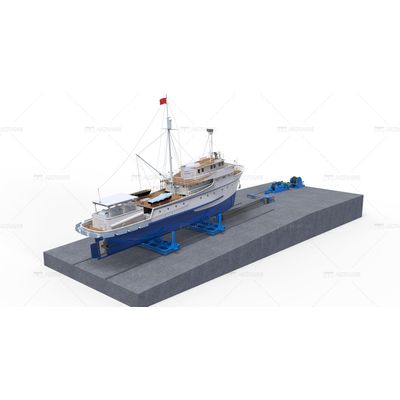
Maintaining Rail Trolley of Slipway Winch
Maintaining the rail trolley of a slipway winch is crucial for ensuring smooth operation, prolonging equipment lifespan, and preventing costly downtime. Rail trolleys are integral components of slipway winches used in marine and shipyard facilities for launching and hauling vessels. Proper maintenance practices can enhance safety, efficiency, and reliability. In this guide, we'll explore key maintenance steps and best practices for rail trolleys associated with slipway winches.
Regular Inspection and Monitoring
The foundation of effective rail trolley maintenance is regular inspection and monitoring. Develop a routine inspection schedule to assess the condition of rail trolley components, track rails, wheels, bearings, brakes, and structural integrity. Key inspection points include:
Track Rails: Check for signs of wear, deformation, or damage on track rails. Ensure smooth and aligned tracks without obstructions or debris that can impede trolley movement.
Wheels and Bearings: Inspect wheels, bearings, and axle assemblies for wear, corrosion, alignment, and lubrication. Replace worn-out wheels or bearings to prevent excessive friction and premature failure.
Braking System: Test and inspect the braking system for proper functionality, including emergency brakes and parking brakes. Verify brake performance under load conditions and adjust as necessary.
Structural Components: Examine structural components such as frame, beams, and support structures for cracks, weld defects, or fatigue. Repair or reinforce weak areas to maintain structural integrity.
Safety Devices: Verify the operation of safety devices such as limit switches, sensors, and warning signals to ensure compliance with safety standards and prevent accidents.
Lubrication and Greasing
Proper lubrication and greasing are essential for reducing friction, wear, and corrosion in rail trolley components. Use high-quality lubricants suitable for rail applications and follow manufacturer recommendations for lubrication intervals and methods. Focus on lubricating wheel bearings, axle assemblies, track rails, and sliding surfaces to ensure smooth and efficient movement. Regular greasing helps maintain optimal performance and extends the service life of rail trolley components.
Cleaning and Debris Removal
Keep rail trolley components clean and free from dirt, dust, rust, and debris that can contribute to premature wear and malfunctions. Regularly clean track rails, wheels, bearings, and braking surfaces using appropriate cleaning agents, brushes, and equipment. Remove accumulated debris, grease buildup, and foreign objects that can hinder trolley movement and cause damage to components. Pay special attention to areas where contaminants are likely to accumulate, such as wheel flanges and brake pads.
Adjustment and Alignment
Periodically check and adjust the alignment and tension of rail trolley components to ensure smooth and straight movement along the track rails. Align wheels, axles, and bearings to minimize lateral movement, vibrations, and uneven wear. Adjust track rail clearances, wheel gauges, and brake settings according to manufacturer specifications and operating conditions. Proper alignment and adjustment optimize trolley performance and reduce mechanical stress on components.
Corrosion Protection
Rail trolley components are exposed to environmental elements and maritime conditions that can lead to corrosion and deterioration. Apply corrosion-resistant coatings, paints, or protective treatments to metal surfaces to prevent rust, oxidation, and degradation. Inspect and touch up protective coatings regularly to maintain their effectiveness and integrity. Consider using stainless steel, galvanized steel, or corrosion-resistant materials for critical components subjected to harsh environments.
Training and Operator Awareness
Train operators and maintenance personnel on proper rail trolley operation, maintenance procedures, safety protocols, and emergency response. Ensure operators understand load capacities, operational limits, braking procedures, and warning signs of potential issues. Promote a culture of safety awareness, proactive maintenance, and reporting of abnormalities or equipment malfunctions to prevent accidents and downtime.
Record Keeping and Documentation
Maintain comprehensive records and documentation of rail trolley maintenance activities, inspections, repairs, and replacements. Keep track of lubrication schedules, greasing intervals, alignment adjustments, brake tests, and safety checks. Document equipment specifications, manufacturer guidelines, maintenance logs, and compliance records for regulatory purposes and audit trails. Use digital maintenance management systems or software to streamline record-keeping and generate maintenance reports.
Emergency Preparedness and Spare Parts Inventory
Be prepared for unexpected breakdowns or emergencies by maintaining an inventory of critical spare parts, replacement components, and emergency repair kits for rail trolley systems. Stock essential items such as wheels, bearings, brake pads, bolts, nuts, seals, and hydraulic components. Establish emergency response protocols, contact information for suppliers, and procedures for expedited repairs to minimize downtime and operational disruptions.
In conclusion, maintaining the rail trolley of a slipway winch requires a proactive approach, regular inspection, lubrication, cleaning, adjustment, corrosion protection, training, documentation, and emergency preparedness. By implementing these maintenance best practices, shipyards, marine facilities, and industrial operators can ensure the reliability, safety, and longevity of their rail trolley systems, contributing to efficient vessel handling operations and overall productivity.