

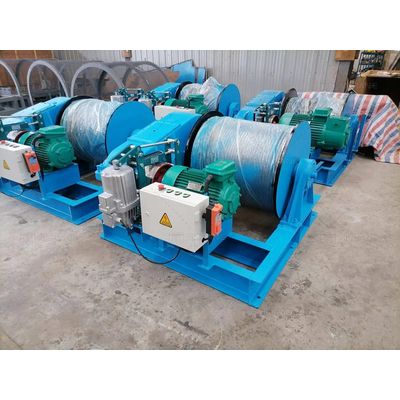
Maintaining Winch Indonesia
Maintaining a winch in Indonesia, like any heavy equipment, is crucial for ensuring its optimal performance, longevity, and safety. Winches are versatile machines used across various industries such as construction, marine, mining, and forestry for lifting, pulling, and towing heavy loads. Proper maintenance practices not only extend the lifespan of the winch but also minimize downtime, reduce repair costs, and enhance overall operational efficiency. In this comprehensive guide, we will explore the key steps and best practices for maintaining a winch in Indonesia.
Regular Inspections
Conduct regular inspections of the winch to identify any signs of wear, damage, or malfunctioning components. Inspect the winch drum, wire ropes, cables, hooks, bearings, seals, hydraulic systems (if applicable), and electrical connections. Look for cracks, corrosion, fraying, leaks, loose bolts, or any abnormal wear patterns. Perform visual, functional, and operational checks to ensure all parts are in good working condition.
Cleaning and Lubrication
Keep the winch clean and free from dirt, debris, rust, and contaminants that can affect its performance and reliability. Use a mild detergent or degreaser to clean the exterior surfaces, drum, and mechanical components. Remove any buildup of grease, oil, or mud from moving parts, gears, and bearings. Apply lubricants, such as grease or oil, to lubrication points, pivot points, shafts, and bearings as per the manufacturer's recommendations to reduce friction and wear.
Tension and Alignment Checks
Regularly check the tension of wire ropes or cables on the winch drum to ensure proper winding and tensioning. Inspect the alignment of the wire ropes on the drum to prevent overlapping, twisting, or uneven spooling, which can lead to rope damage and safety hazards. Adjust the tension and alignment as needed to maintain smooth and efficient winch operation.
Inspect Electrical Components (If Applicable)
If the winch is electrically powered, inspect the electrical components, wiring, switches, controls, and connections for signs of wear, damage, or corrosion. Test the functionality of the electrical system, including motor operation, brake systems, limit switches, and safety features. Ensure that all electrical components are properly insulated, protected from moisture, and comply with electrical safety standards.
Hydraulic System Maintenance (If Applicable)
For hydraulic winches, inspect the hydraulic system components, including hoses, fittings, cylinders, pumps, valves, and reservoirs. Check for leaks, hydraulic fluid levels, pressure readings, and temperature fluctuations. Replace worn-out seals, hoses, or filters as needed and use the recommended hydraulic fluid to maintain optimal system performance and efficiency.
Inspect Safety Features
Verify that all safety features and devices on the winch are functional and operational. This includes emergency stop buttons, overload protection systems, limit switches, safety guards, and warning labels. Test the emergency stop function and ensure that operators are trained on how to use safety features effectively in case of emergencies or equipment malfunctions.
Load Testing and Calibration
Periodically conduct load testing and calibration of the winch to verify its load capacity, performance, and accuracy. Use calibrated load cells or dynamometers to measure and simulate different load conditions during testing. Adjust winch settings, brake systems, and control parameters as needed to ensure safe and reliable operation under varying load scenarios.
Training and Operator Skills
Provide comprehensive training and development programs for winch operators and maintenance personnel. Train operators on proper winch operation techniques, safety protocols, emergency procedures, and equipment maintenance practices. Ensure that operators are aware of load capacity limits, environmental factors, and operational risks associated with winch operations in Indonesia.
Document Maintenance Records
Keep detailed records of all maintenance activities, inspections, repairs, and replacements performed on the winch. Maintain a maintenance logbook or digital database to track service intervals, component lifespans, warranty information, and compliance with manufacturer recommendations. Documenting maintenance records helps in tracking equipment history, identifying recurring issues, and scheduling preventive maintenance tasks.
Consult Manufacturer Guidelines
Follow the manufacturer's guidelines, recommendations, and maintenance schedules specific to the winch model and type. Refer to the operation manual, service instructions, and technical documentation provided by the manufacturer for guidance on maintenance procedures, lubrication schedules, spare parts, and troubleshooting tips. Adhere to warranty terms and conditions by following prescribed maintenance practices and using genuine replacement parts when necessary.
In conclusion, maintaining a winch in Indonesia requires a systematic approach, regular inspections, preventive maintenance, and adherence to safety standards and manufacturer guidelines. By following the key steps and best practices outlined in this guide, operators and maintenance personnel can ensure the reliability, safety, and optimal performance of winches in various industries across Indonesia. Regular maintenance not only extends the lifespan of winches but also contributes to efficient and safe operations, minimizing downtime and enhancing overall productivity.